


Track direct sun, shade, wind, and the hottest surfaces over several days. Note whether rain reaches the pots and how easily water can be carried or drained. Select plants from these conditions first; visual style comes after survival and manageable care.
Balcony Garden Ideas That Match Light and Maintenance
Explore balcony garden ideas for sunny, shaded, windy, and compact outdoor spaces. Compare vertical foliage, herbs, woodland planting, rail flowers, evergreens, and tropical layers by light, water, weight, and maintenance. Select references that match the balcony conditions, then generate a coordinated planting direction in PromeAI.
Explore Balcony Garden Ideas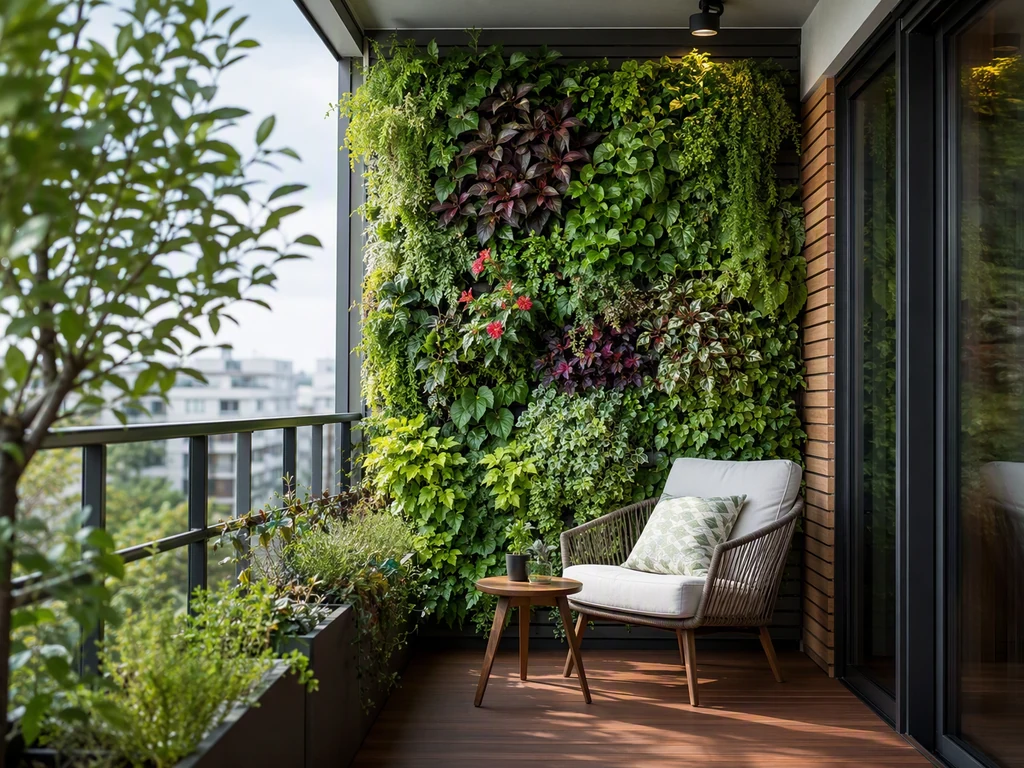
Balcony Garden Ideas by Light, Wind, and Care
Observe direct sun across the day and note wind tunnels, reflected heat, rain exposure, and watering access before selecting plants. A lush reference may depend on shade and humidity that a hot exposed balcony cannot provide. Compare the six directions for mature plant size, container volume, seasonal change, drainage, weight, pet safety, and the time required for watering and pruning.
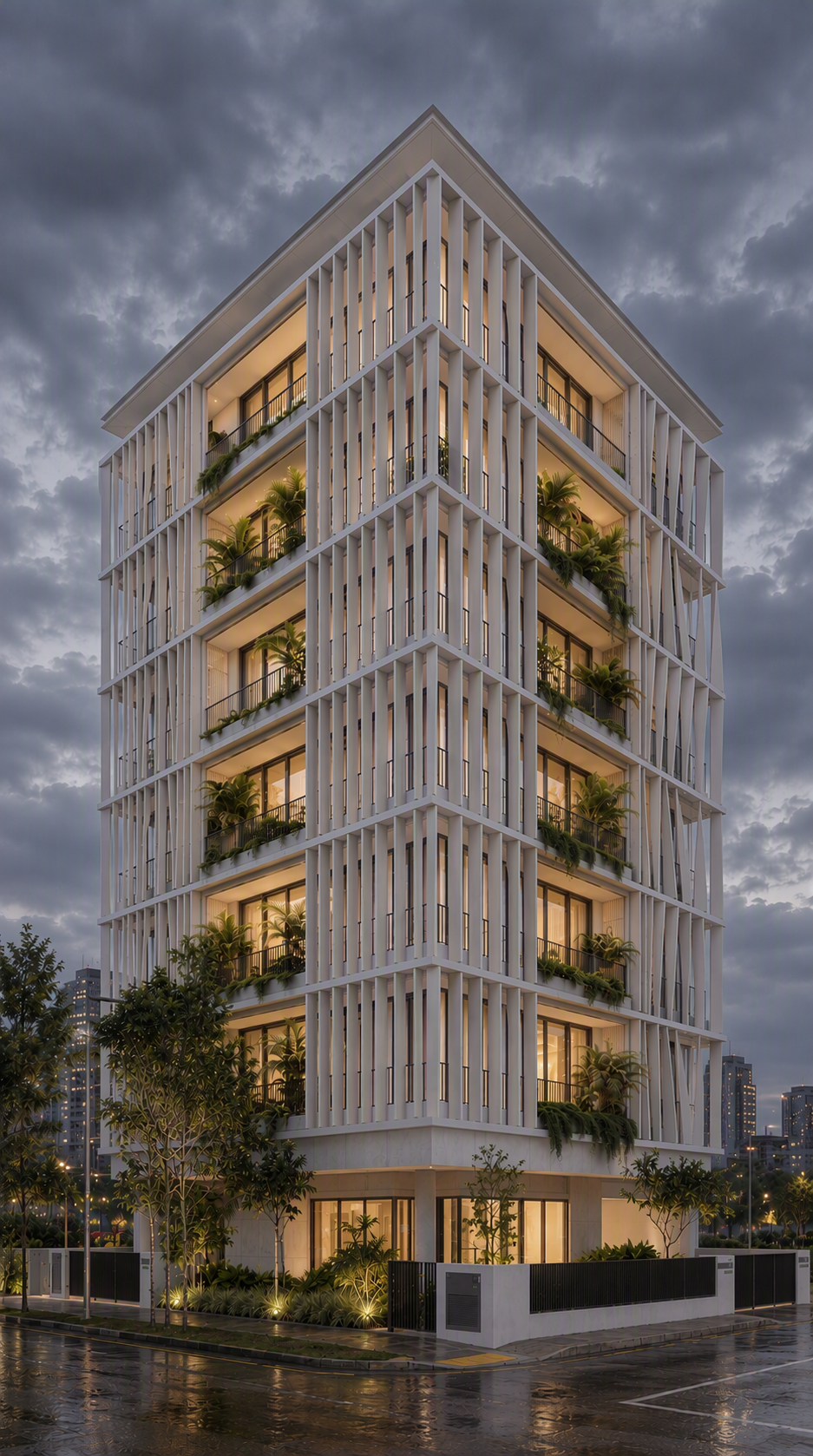
Combine Plant Layers with Realistic Containers
Use one reference to set the growing conditions and another for color, height, or container style. Group plants with similar water and light needs, leave airflow around foliage, and keep mature spread away from doors and paths. Fewer well-sized containers are often healthier and easier to maintain than many small pots drying at different rates.
How to Plan a Balcony Garden for Your Light and Space
Choose container volume for mature root systems and use drainage that does not damage the balcony or areas below. Distribute weight and avoid attaching heavy planters to rails without approval. Leave enough space to prune, rotate, water, and remove plants when necessary.
Combine a structural evergreen or tall plant with mid-height foliage and seasonal color suited to the same exposure. Repeat container materials to reduce visual clutter. Keep toxic plants away from pets or children and choose a maintenance level the household can sustain through heat, travel, and seasonal change.
Frequently Asked Questions
What plants are best for a balcony garden?
The best plants match the balcony's direct sun, shade, wind, temperature, and watering routine. Herbs and sun-loving flowers need adequate light, while many foliage plants prefer protection from harsh exposure. Check mature size, local climate, pet safety, and container needs rather than choosing from appearance alone.
How do I start a balcony garden?
Begin with the light and wind conditions, then choose a small number of compatible plants and appropriately sized containers. Plan drainage and watering before arranging decor. Leave access to doors, drains, and guardrails, and add more plants only after the first group proves manageable in the balcony's actual microclimate.
How can I garden on a windy balcony?
Choose compact, flexible, wind-tolerant plants and stable, heavy-based containers within permitted load limits. Position vulnerable foliage behind approved screening or more robust plants, and secure lightweight objects. Avoid creating solid screens that attract unsafe wind loads, and water carefully because wind can dry containers quickly.
Can I grow herbs on a small balcony?
Yes, when the herbs receive suitable light and the containers provide drainage and enough root space. Group varieties with similar watering needs and place frequently harvested herbs within reach. Check local climate, seasonal temperature, wind, and whether runoff can be managed without affecting neighbors or the building.
Can a generated balcony garden identify the exact plants shown?
No. Generated images can suggest height, color, density, and container composition, but plant appearance may not represent a reliable species or suitable local choice. Use the direction as a visual brief, then select verified plants for your climate, exposure, mature size, toxicity, care needs, and permitted structural load.