


Decide whether the balcony is mainly for coffee, meals, reading, plants, or entertaining. Size the permanent furniture for that routine and use folding or movable pieces for occasional needs. Protect the route from the door and any required access to drains or service points.
Balcony Ideas That Start with How You Use the Space
Explore balcony ideas for relaxing, dining, planting, and evening gatherings. Compare lounge seating, outdoor tables, planted retreats, minimal layouts, textiles, and lighting by the floor space and maintenance they require. Select references that match the balcony size, exposure, and routine, then generate a coordinated direction in PromeAI.
Explore Balcony Ideas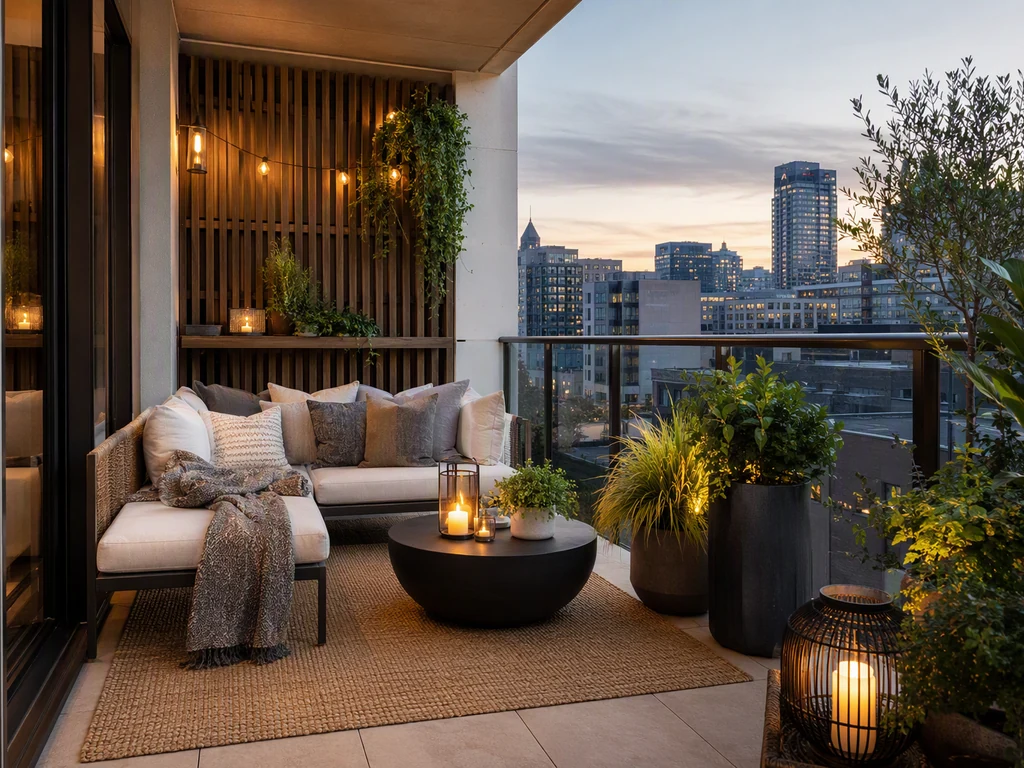
Balcony Ideas by Activity, Exposure, and Space
Choose the main activity before filling the balcony with furniture and plants. Dining needs table clearance, lounging needs comfortable depth, and gardening depends on light, wind, water, and load. Compare the six references for circulation, guardrail access, weather exposure, privacy, drainage, storage, plant care, and whether everything can remain outdoors safely.
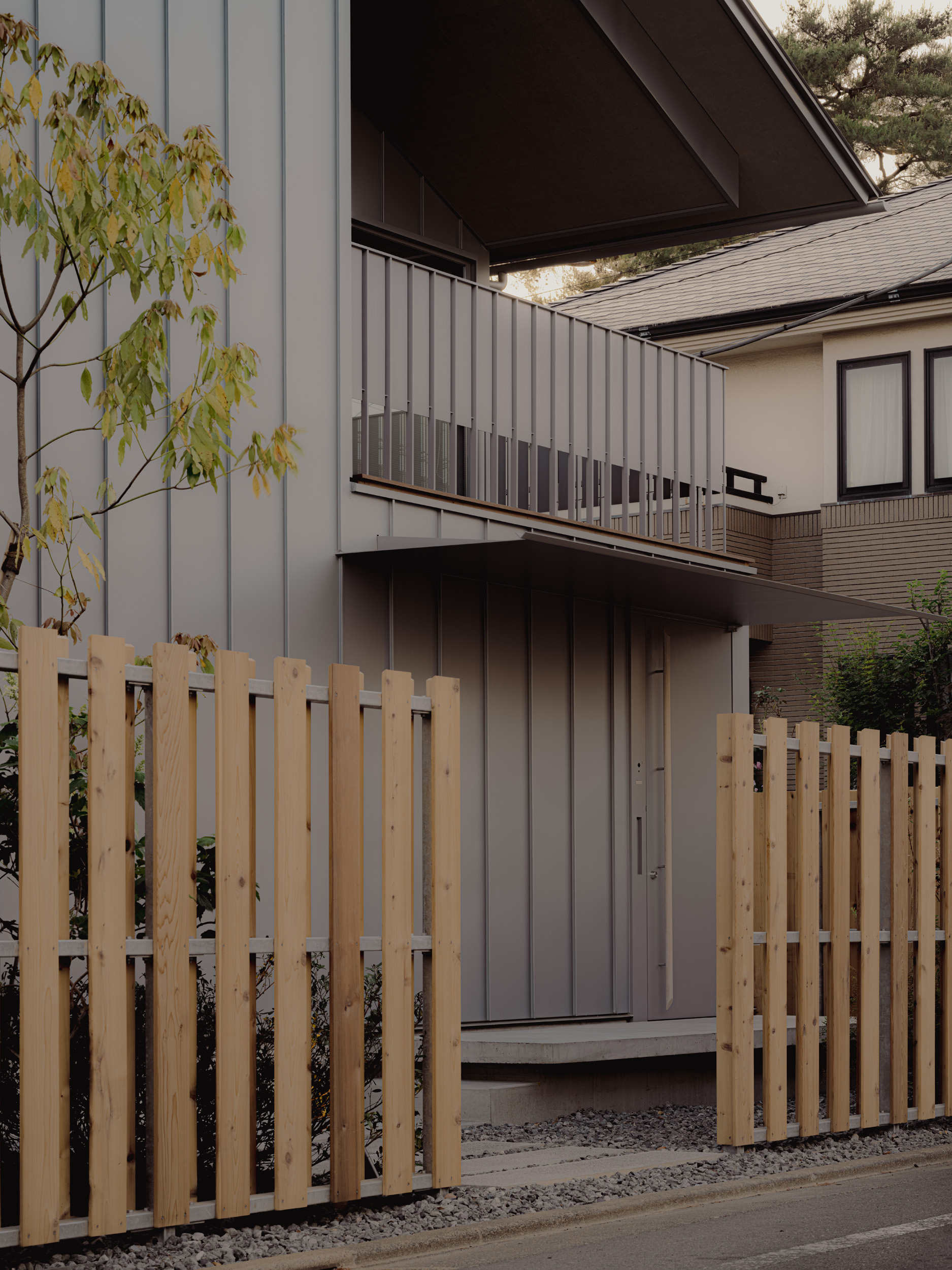
Combine Seating, Planting, Privacy, and Light
Use one reference to set the activity zone and others for planting, textiles, or evening atmosphere. Keep access to doors, drains, and guardrails clear, and avoid combining a full lounge, dining set, and dense garden on a modest footprint. Outdoor-rated materials and a limited palette help the balcony feel intentional without becoming difficult to maintain.
How to Shape a Balcony around How You Use It
Observe direct sun, prevailing wind, rain exposure, and where water drains. Select plants and materials for those conditions rather than for appearance alone. Secure lightweight objects, keep planters from obstructing drainage, and avoid privacy treatments that create unsafe wind loads.
Use outdoor-rated cushions, a compact side surface, and shielded lighting to support the main activity. Vertical planting can preserve floor area, but it still needs safe fixing and watering access. Store or remove items that cannot tolerate the balcony's actual weather.
Frequently Asked Questions
How do I make a balcony more usable?
Choose one main activity and provide the furniture, light, and storage it needs. Keep the door and walking path clear, use folding pieces for occasional guests, and select weather-resistant materials. A balcony becomes more usable through a clear routine, not by fitting every outdoor feature into a limited footprint.
What furniture is best for a balcony?
The best furniture fits the available depth, weather exposure, and primary activity. Folding bistro sets suit flexible dining, a compact lounge chair supports reading, and built-in seating can use an awkward corner. Check door clearance, guardrails, wind, drainage, and material ratings before selecting by style.
How can I add privacy to a balcony?
Use plants, outdoor screens, curtains, or railing treatments only where building rules and wind conditions permit. Position privacy where overlooking occurs instead of enclosing every side. Avoid blocking required guardrail height, drainage, airflow, or emergency access, and secure any added element appropriately.
Can I combine dining and lounge seating on a balcony?
Yes, when the footprint genuinely supports both or the furniture can change roles. A bench with a movable table or folding chairs may provide flexibility without two full zones. Check occupied clearances and the route from the door; permanent furniture should serve the balcony's most frequent use.
Can a generated balcony concept confirm what is safe to install?
No. It can help compare layout, mood, planting, and material direction, but it does not verify structural loads, guardrail rules, wind, fire requirements, drainage, or permissions. Confirm dimensions, building policies, weather exposure, secure fixing, and load limits before adding furniture, screens, lighting, or planters.