


Identify direct splash areas, condensation, ventilation, and surfaces interrupted by mirrors or tile. Powder-room walls often offer more flexibility than wet zones. Confirm product and adhesive suitability with the supplier rather than assuming any visible wallpaper treatment is appropriate for every bathroom.
Bathroom Wallpaper Ideas for Powder Rooms and Full Bathrooms
Explore bathroom wallpaper ideas for powder rooms, vanity walls, and bathrooms with different moisture conditions. Compare botanical, floral, geometric, scenic, ornamental, and textured directions by scale, placement, and room light. Select references that suit the wall zone and fixtures, then generate a coordinated visualization in PromeAI.
Explore Bathroom Wallpaper Ideas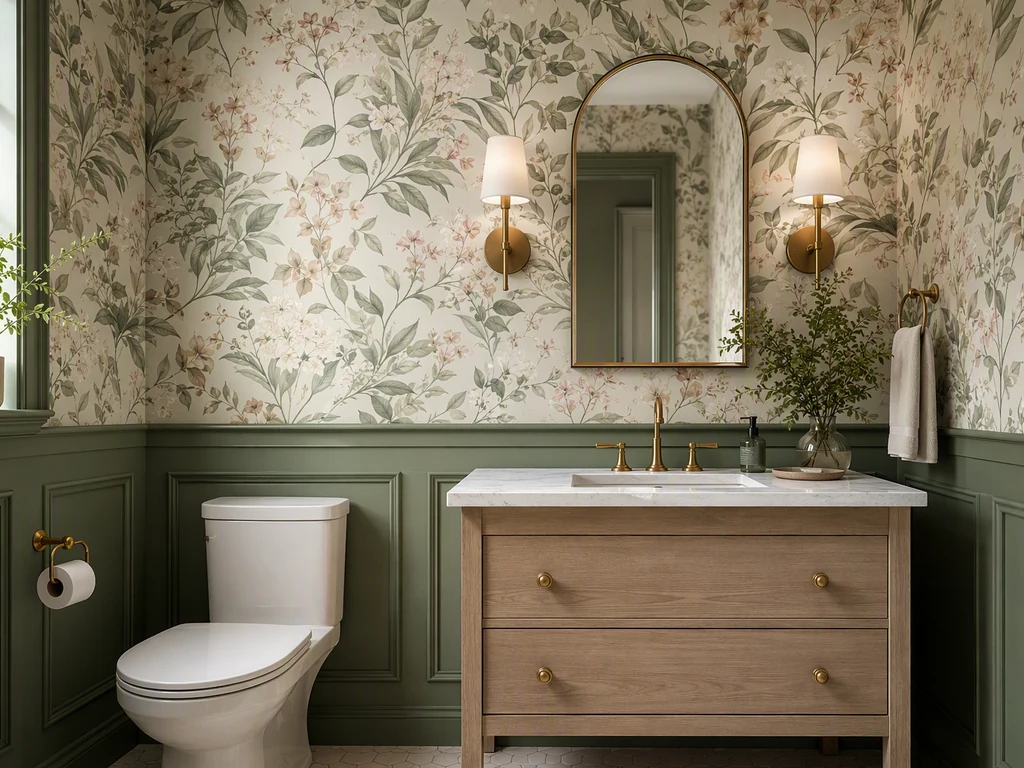
Bathroom Wallpaper Ideas by Moisture Zone and Wall Scale
Decide where wallpaper can be used responsibly before choosing a pattern. A powder room and a poorly ventilated shower room impose different demands, while tile, mirrors, vanities, and windows interrupt the visible repeat. Compare the six references for wall coverage, motif scale, darkness, fixture color, ventilation, splash exposure, and whether the pattern remains readable in the available wall fragments.
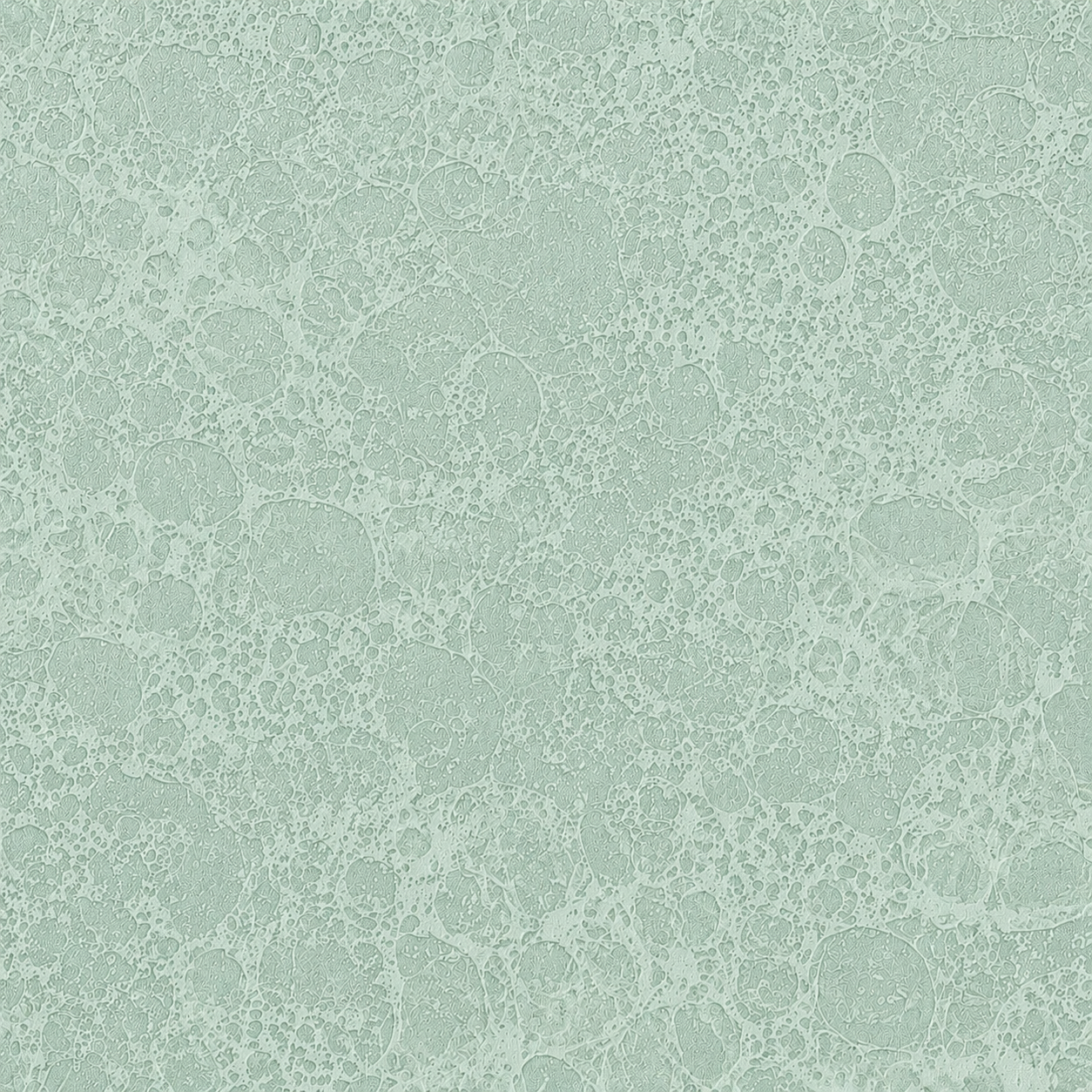
Combine Wallpaper with Tile, Vanity, and Metal Finishes
Use one reference for pattern and another for palette or room treatment. Repeat one color in tile, cabinetry, or towels and keep competing veining or decorative tile quieter. A visualization can test atmosphere and scale, but the actual wall condition, substrate, moisture rating, ventilation, seams, and installation system must be confirmed separately.
How to Visualize Wallpaper in a Bathroom
Large motifs can create impact on a small powder-room wall, but key elements may be cut by fixtures. Small repeats handle interruptions more quietly but can feel busy across every surface. Test a full-height mockup around the actual mirror, vanity, window, and tile lines.
Compare the wallpaper undertone with tile, stone, cabinetry, metal, and lamp color. Limit other strong patterns when the wall covering is dominant. Review the design in both daylight and bathroom lighting, then confirm cleaning, seam placement, substrate preparation, and replacement access.
Frequently Asked Questions
Can wallpaper be used in a bathroom?
Yes, in suitable locations with an appropriate product, prepared substrate, ventilation, and installation system. Direct wet zones and persistent condensation require particular caution. Check the manufacturer's moisture guidance and use a qualified installer where needed; a visualization cannot determine whether a specific wall or product is suitable.
What wallpaper patterns work in a small bathroom?
Both large and small patterns can work. Large motifs create a bold focal effect, while smaller repeats tolerate interrupted walls more quietly. Choose from the visible wall area, fixture scale, lighting, and desired mood. Mock up the pattern around mirrors, tile, and corners before deciding.
Should I wallpaper every bathroom wall?
Not necessarily. Full coverage can feel immersive, while one or two walls may avoid wet zones and reduce competition with tile. Let moisture conditions, ventilation, room size, fixture layout, and pattern strength determine coverage. A feature wall is useful only when it relates clearly to the vanity or entry view.
Can I combine patterned wallpaper with patterned tile?
Yes, but give one pattern visual priority. Connect them through color or geometry and vary their scale so they do not compete. Review the junction where tile ends and wallpaper begins. Busy veining, decorative tile, and dense wallpaper at equal strength can make a small bathroom difficult to read.
Is a generated bathroom wallpaper image installation-ready?
No. It visualizes pattern, scale, and atmosphere but does not provide a repeat tile, product, quantity, substrate assessment, moisture rating, seam plan, or installation specification. Confirm samples, wall condition, ventilation, wet-zone limits, color, scale, repeat, adhesive, and supplier guidance before installation.