


Separate books, oversized volumes, media, objects, and items that should be hidden. Measure the deepest and tallest categories and estimate future growth. A shelf designed around real contents will look more composed than one whose spacing forces books sideways or leaves daily clutter exposed.
Bookshelf Ideas That Balance Books and Objects
Explore bookshelf ideas for book storage, display, room division, and underused walls. Compare asymmetrical shelves, library walls, minimal units, collected bookcases, open dividers, and low horizontal storage by capacity and visual rhythm. Select references that fit the collection and room, then generate a coordinated direction in PromeAI.
Explore Bookshelf Ideas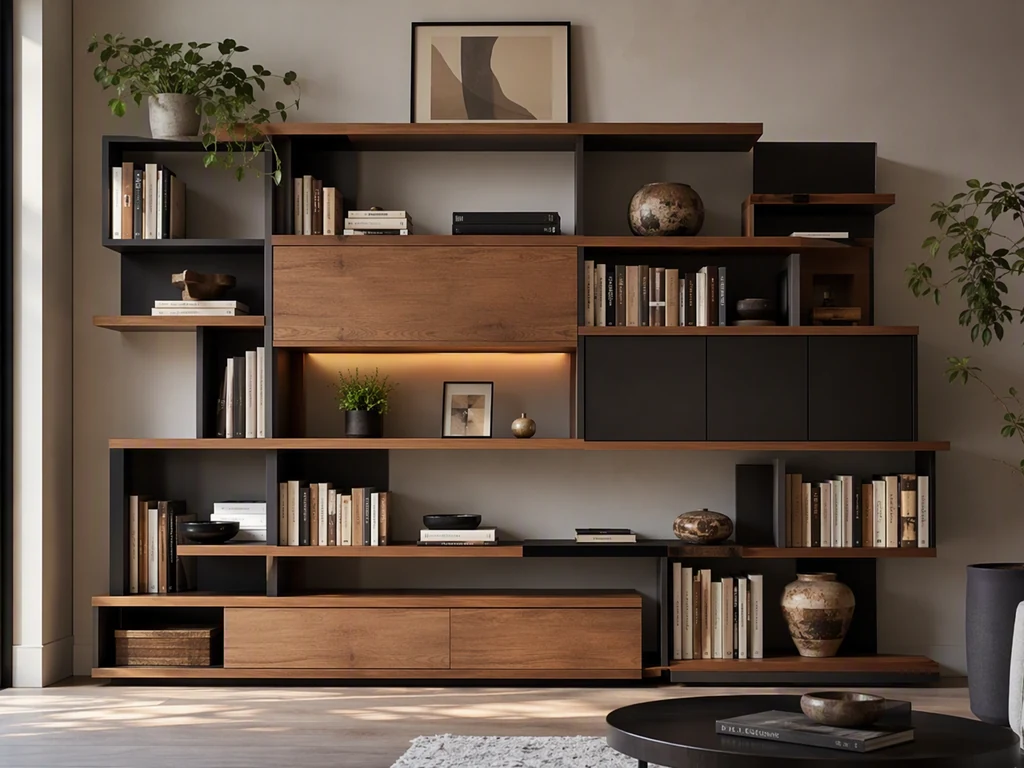
Bookshelf Ideas by Capacity, Form, and Room Role
Estimate how much closed storage, book depth, and display space you actually need before choosing a sculptural form. Open shelves can divide a room but expose both sides, while a library wall carries more visual weight. Compare the six references for shelf spacing, access, furniture scale, empty space, lighting, stability, and how the unit relates to doors, seating, or media.
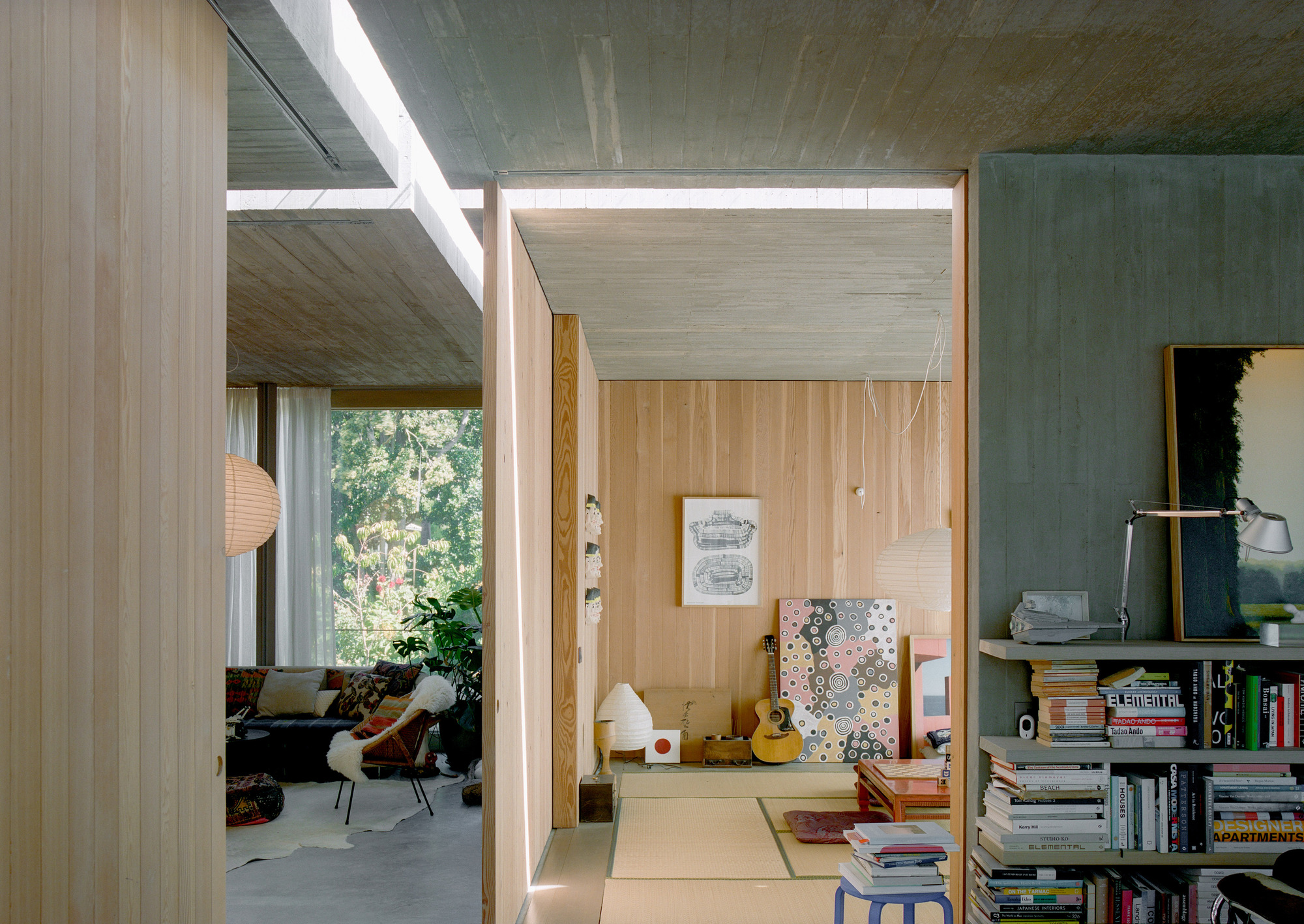
Combine Shelf Form with a Clear Display Rhythm
Use one reference to establish the bookshelf form and another to guide material, color, or styling. Avoid combining several irregular grids or display themes at equal strength. Group books and objects by visual weight, leave deliberate empty areas, and place frequently used items within comfortable reach so the result remains functional after the styled image.
How to Turn Bookshelf Ideas into a Cohesive Arrangement
Use tall shelves to emphasize height, low units to preserve a long sightline, and open dividers only when both faces can remain presentable. Keep access to doors, windows, outlets, and seating clear. Wall fixing and floor level must be considered for any tall or top-heavy unit.
Distribute heavy book groups across the unit rather than loading one visual corner. Mix vertical and horizontal stacks where practical, repeat a limited set of materials, and leave breathing room around important objects. Storage baskets or doors can contain visually noisy categories without turning every shelf into decor.
Frequently Asked Questions
How do I choose the right bookshelf for a room?
Start with the collection size, book depth, available wall area, and whether the unit must divide space or provide hidden storage. Then compare height, shelf adjustability, access, and visual weight. Check doors, windows, outlets, baseboards, and anchoring requirements before choosing primarily by style.
How do I arrange books and decor on shelves?
Place books first, distributing their weight and grouping them in practical categories. Add a limited number of objects at varied heights, repeat colors or materials, and leave some open space. Avoid filling every gap with a small item; fewer clear groups usually look calmer and make books easier to access.
Should bookshelves match other furniture?
No, they do not need to match exactly. A shared wood tone, color, metal finish, or proportion can connect the bookshelf to the room. Contrast can make it a focal point, but several unrelated finishes in one large unit may feel accidental. Relate it to the room while letting its function remain visible.
Can I combine several bookshelf references?
Yes. Use one reference for the overall form, another for material, and another for shelf styling or closed storage. Select examples with compatible proportions and avoid merging several complex grids. A generated direction is clearer when each reference contributes one identifiable decision.
Can a generated bookshelf idea be used as a construction plan?
No. It can help compare form, color, shelf rhythm, and room placement, but it does not calculate loads, spans, fixings, or exact dimensions. Confirm book weights, shelf material, wall structure, anchoring, access, and construction details with the relevant supplier or professional before building or installing a unit.