


Record openings, ceiling height, skirting, vents, switches, outlets, and any fireplace requirements. Decide whether the built-in should align with existing trim or deliberately contrast with it. This visual planning precedes technical design and prevents the concept from ignoring essential room features.
Built in Bookshelf Ideas That Feel Part of the Room
Explore built in bookshelf ideas for full walls, fireplaces, doorways, window seats, niches, and flush cabinetry. Compare integrated forms by symmetry, storage mix, shelf rhythm, and architectural fit. Select references that relate to the room's openings and focal point, then generate a coordinated visual direction in PromeAI.
Explore Built In Bookshelf Ideas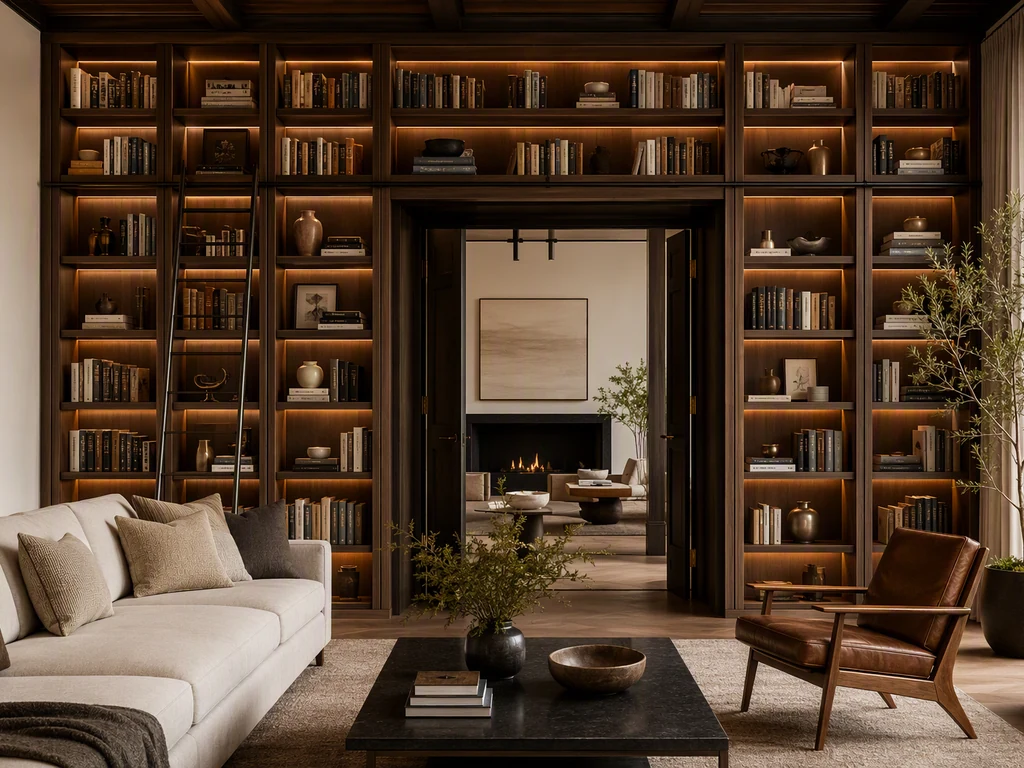
Built In Bookshelf Ideas by Architectural Position
Start with the wall conditions the bookshelf must respect: windows, doors, fireplace clearances, vents, outlets, trim, and ceiling changes. Floor-to-ceiling units can unify an irregular wall, while built-ins around openings need balanced proportions. Compare the six references for depth, symmetry, closed storage, shelf spacing, lighting, access, and how the design meets existing architecture.
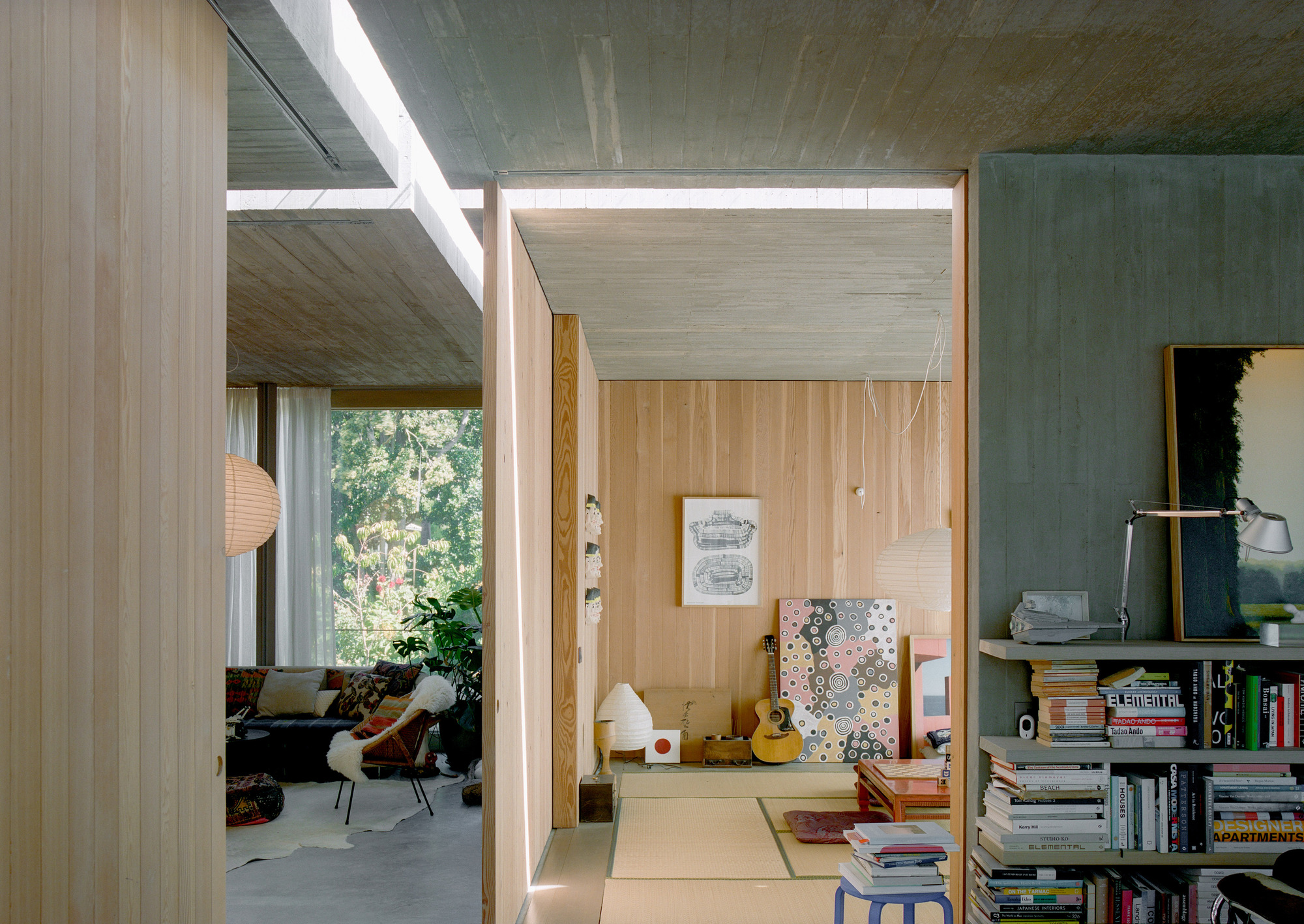
Combine Built-In Form, Storage, and Finish
Let one reference define the architectural arrangement and use others for door style, shelf rhythm, color, or lighting. Avoid combining arches, strong panel details, and several cabinet types without a hierarchy. Repeat trim lines or wall color where integration matters, and reserve contrast for the focal area rather than every shelf bay.
How to Plan the Look of Built-In Bookshelves
Use closed cabinets for media, games, paperwork, or visually inconsistent items, and reserve open shelves for books and display. Keep frequently used contents within reach. Door swings, drawer access, and shelf depth must work with nearby seating and circulation rather than only producing a symmetrical elevation.
Align vertical divisions with architectural features and vary shelf spacing only where contents require it. Integrated lighting can emphasize selected bays but should not create glare or heat around books. The finished look should feel intentional even before every shelf is styled.
Frequently Asked Questions
Do built-in bookshelves add useful storage?
Yes, when the internal dimensions match what you need to store. They can use wall height and awkward recesses efficiently, but fixed shelves or overly shallow cabinets may reduce flexibility. Inventory books, media, and hidden-storage needs before choosing a symmetrical design that looks generous but holds the wrong items.
Should built-in bookshelves go to the ceiling?
They can create a more architectural look and use vertical space, but full height is not always necessary. Consider ceiling irregularities, access to upper shelves, room proportion, and ventilation. A deliberate top margin or cornice can work better than forcing cabinetry into a ceiling condition it cannot align with cleanly.
How deep should built-in bookshelves be?
Depth depends on the books, objects, media, and cabinet hardware being stored. Measure the largest contents and allow practical access without making the unit project unnecessarily into the room. Technical depth, shelf spans, and door details should be confirmed during measured design rather than copied from an inspiration image.
Can built-ins mix open shelves and cabinets?
Yes. Closed lower storage often contains heavier or visually noisy items, while open shelves keep books and display accessible. Repeat door proportions and align divisions so the mix feels intentional. Confirm that handles, drawers, and doors can open fully around furniture and circulation.
Can PromeAI generate exact built-in bookshelf dimensions?
No. The page produces visual directions, not measured cabinetry drawings, load calculations, or installation details. Use the result to compare arrangement, finish, and shelf rhythm, then have the wall measured and confirm structure, fireplace clearances, ventilation, electrical work, loads, fixings, and joinery with appropriate professionals.