


Identify the wall seen on entry and the surface behind the main table position. Consider windows, door openings, sideboards, and the dining light before placing decor. A clear focal wall usually creates more impact than distributing unrelated pieces across every available surface.
Dining Room Wall Decor Ideas That Create the Right Focal Point
Explore dining room wall decor ideas that add a focal point without replacing the entire room scheme. Compare large artwork, gallery arrangements, mirrors, display ledges, textured finishes, and panel molding by scale and visual weight. Select references that relate to the table and lighting, then generate a coordinated wall direction in PromeAI.
Explore Dining Room Wall Decor Ideas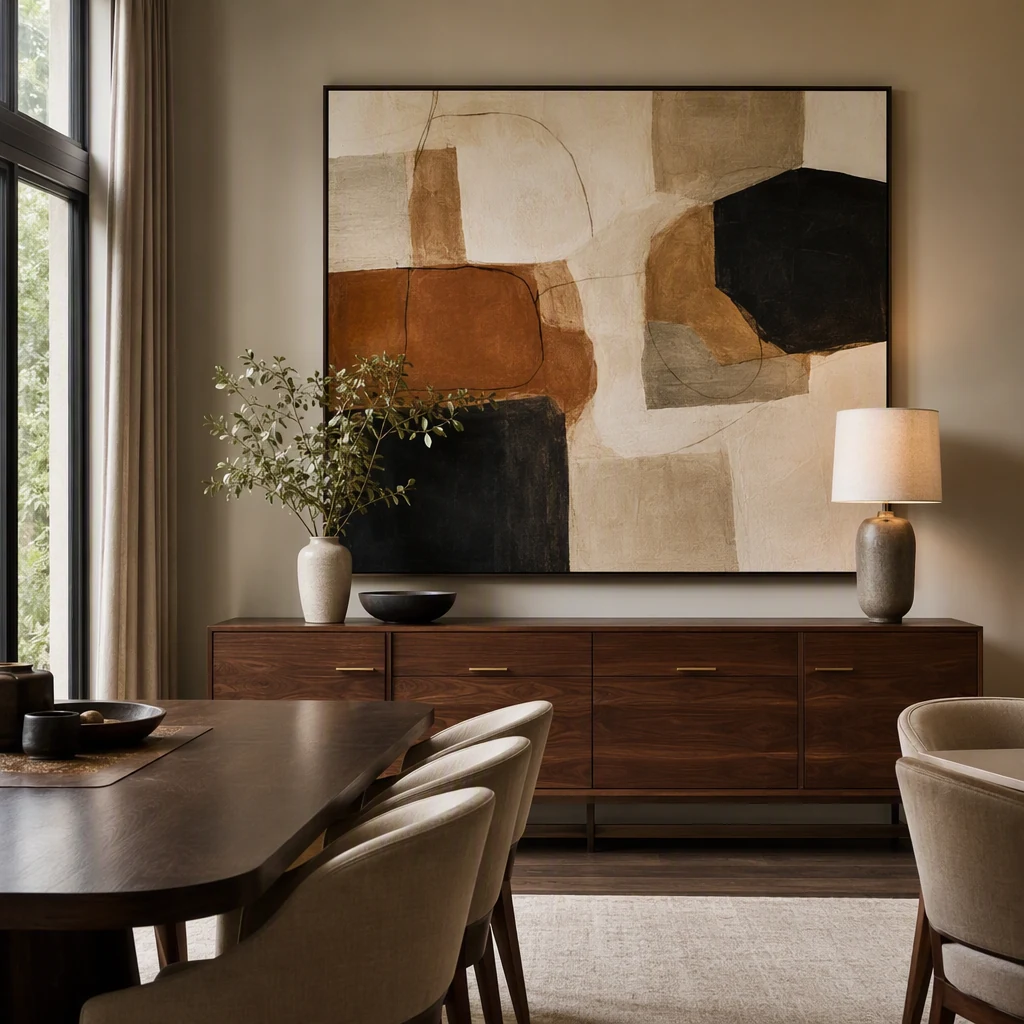
Dining Room Wall Decor Ideas by Scale and Placement
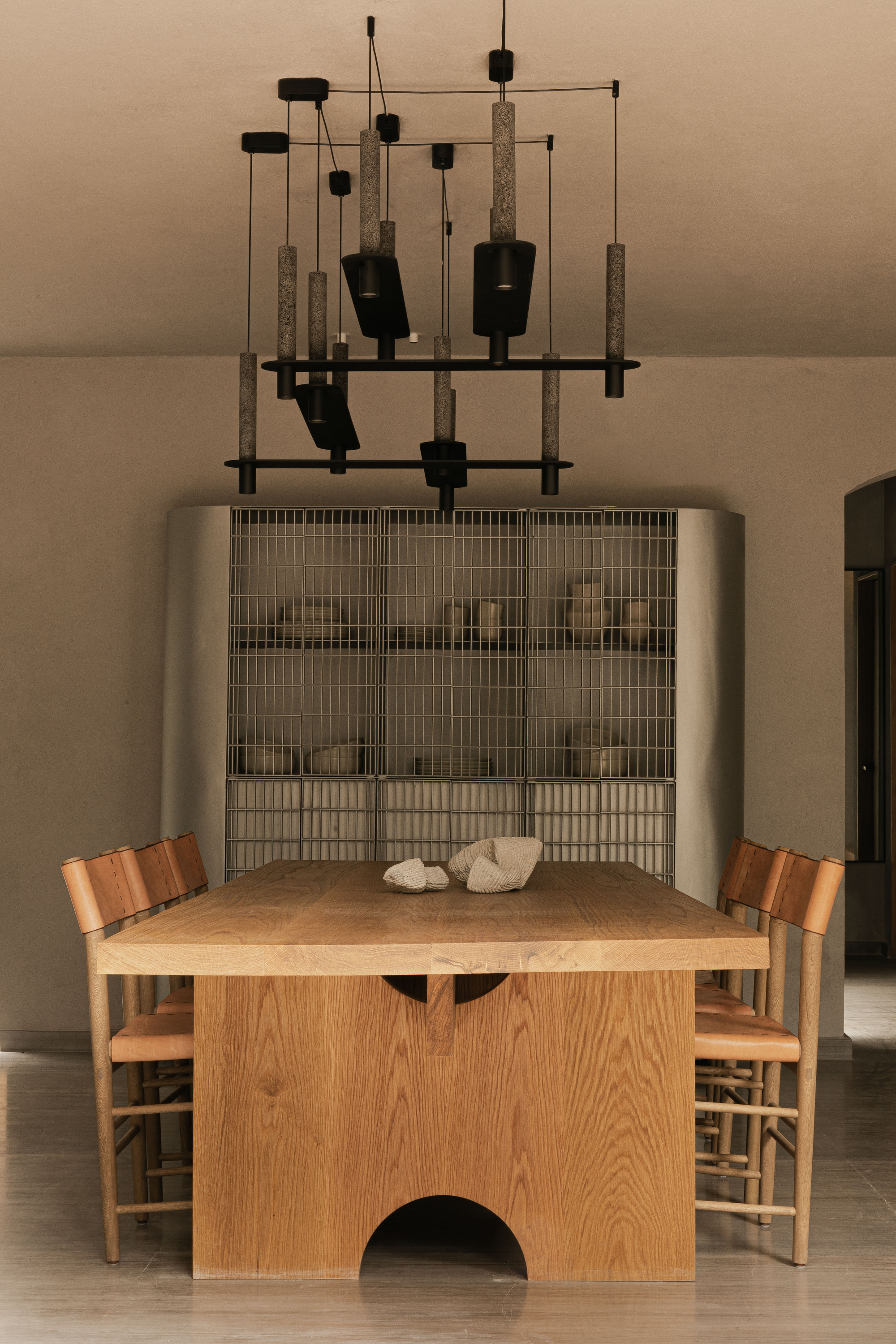
Judge the wall from both seated and standing views, and relate the composition to the table rather than the empty wall alone. One large artwork can calm a busy room, while a gallery wall adds rhythm but needs consistent spacing. Compare the six references for hanging height, width, reflection, ledge depth, lighting, and how doors, windows, or serving furniture interrupt the surface.
Combine One Focal Treatment with Supporting Details
Choose one dominant wall strategy and use other references only for palette, frame finish, or material. Large art, strong molding, and a dense gallery should not all compete behind the table. Repeat a color or finish from the dining furniture and keep fragile or projecting objects away from chair backs and serving routes.
How to Choose a Dining Room Wall Focal Point
Relate artwork or mirrors to the width of the table or sideboard beneath them and check the view from seated eye level. Use paper templates to test grouping and spacing. Ledges need enough clearance from chairs and should not sit where serving activity can knock objects.
Use picture lights, sconces, or adjustable spots only when glare and shadows are controlled. Pull one or two colors from the room into frames or artwork, or let a neutral wall treatment provide texture. The wall should strengthen the dining atmosphere without reducing visual comfort during meals.
Frequently Asked Questions
What should I put on a dining room wall?
Choose decor that fits the wall scale and the view from the table: one large artwork, a restrained gallery, a mirror, a display ledge, or an architectural treatment. Consider cleaning, glare, and chair clearance. The strongest choice usually relates to the table or sideboard rather than filling every empty area.
How large should dining room wall art be?
Scale it to the furniture and visible wall area, not to a fixed universal number. Artwork above a sideboard or table should feel connected to that anchor without extending awkwardly beyond it. Test the outline with paper or tape and review it from the doorway and seated positions before hanging.
Is a mirror a good idea in a dining room?
Yes, when it reflects a pleasant view or light and does not create glare toward seated diners. Check what appears in the mirror from multiple chairs, including clutter or bright fixtures. A mirror can increase depth, but artwork may be more comfortable when the reflected scene is busy or constantly changing.
Can I mix framed art and wall molding?
Yes. Let the molding establish the architecture and size artwork to sit clearly within or across it by design. Keep frame finishes and spacing controlled so the two layers do not appear accidental. Avoid adding a dense gallery when the panel pattern already carries strong rhythm and contrast.
Can a generated wall-decor concept show exact hanging positions?
No. It can help compare scale, grouping, color, and focal balance, but it is not a measured elevation. Confirm wall dimensions, furniture height, seated sightlines, fixings, electrical locations, object weight, and safe clearance before installing mirrors, shelves, lights, or artwork.