


Identify the wall behind the table, the entry view, and surfaces interrupted by doors, windows, or a sideboard. Decide whether one focal wall or full coverage better supports the room. Review how chair backs and diners obscure the lower part of the pattern.
Dining Room Wallpaper Ideas That Support the Dining Atmosphere
Explore dining room wallpaper ideas coordinated with the table, chairs, lighting, and visible wall proportions. Compare botanical, ornamental, geometric, scenic, grasscloth, and artistic directions by scale and atmosphere. Select references that suit the furniture and room light, then generate a coordinated visualization in PromeAI.
Explore Dining Room Wallpaper Ideas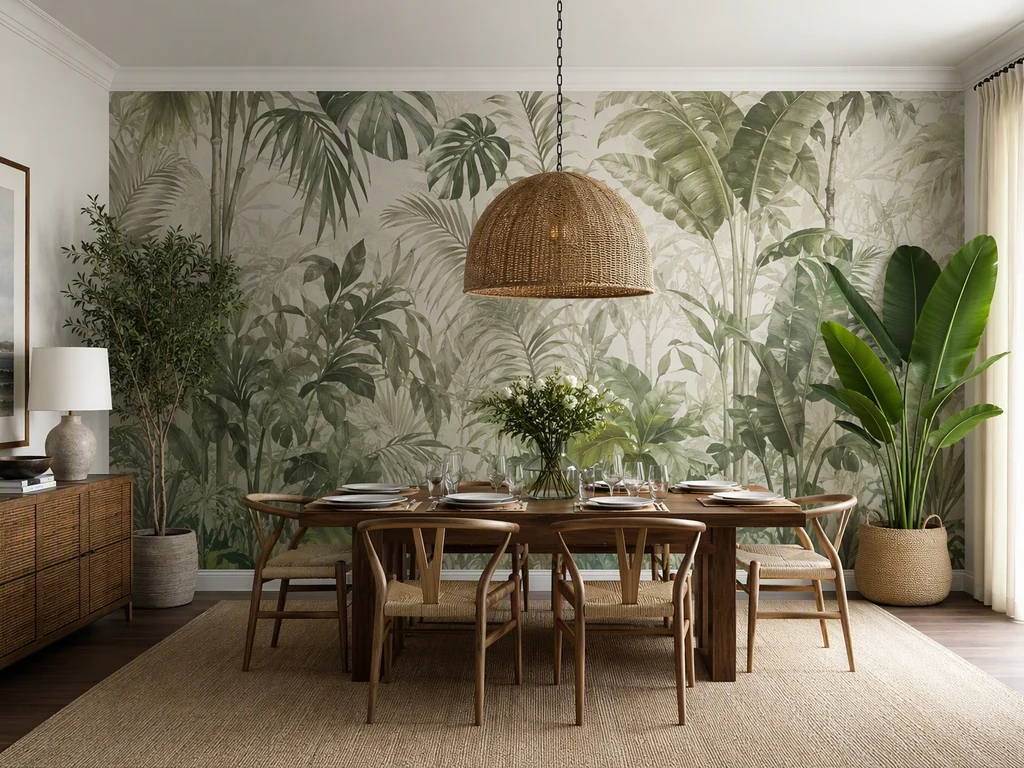
Dining Room Wallpaper Ideas by Wall Scale and Table View
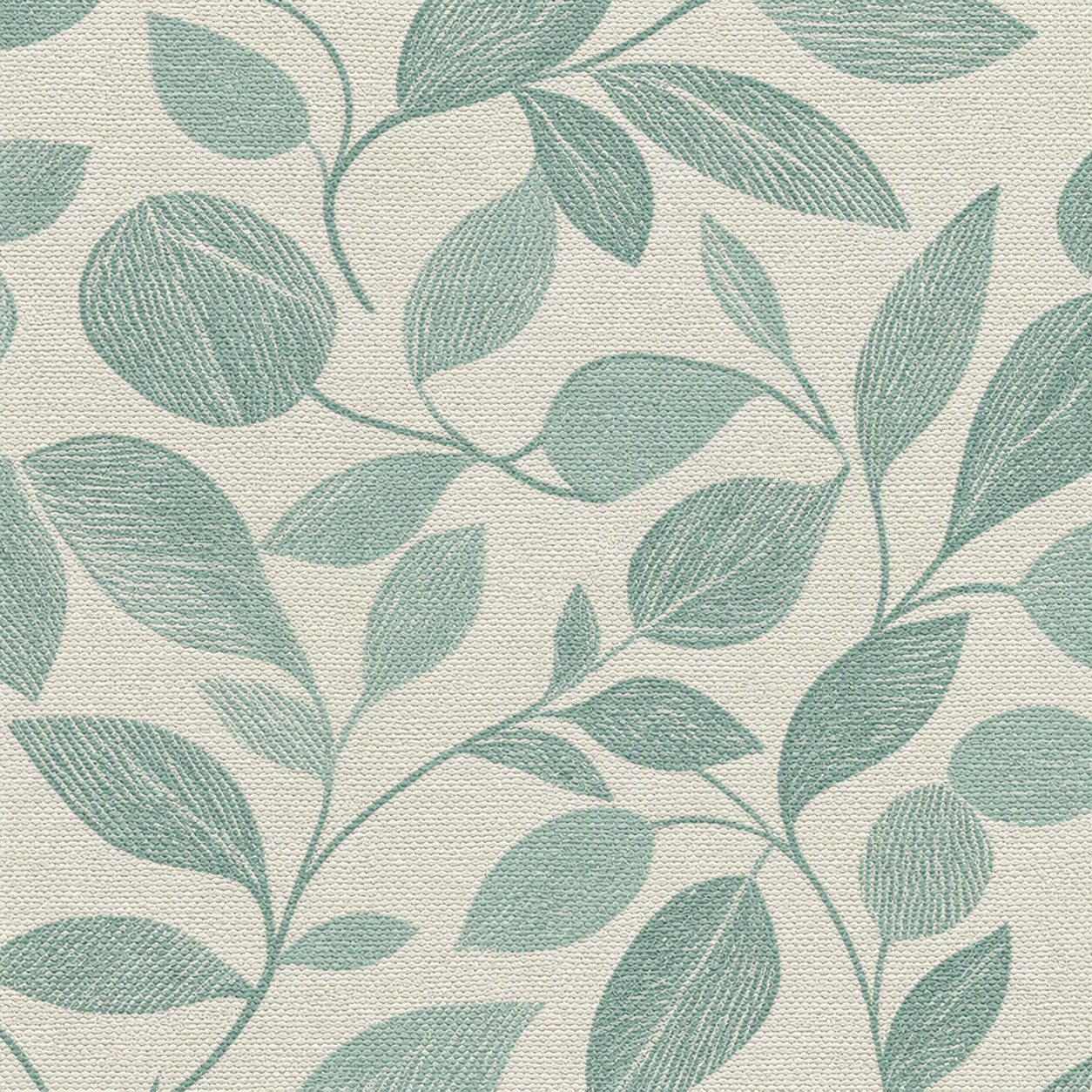
Judge the pattern from seated eye level and from the doorway, not only on an empty wall. A scenic mural needs a clear crop, while grasscloth provides quieter texture around art and lighting. Compare the six references for motif scale, wall interruptions, dining-light color, furniture contrast, chair backs, sideboards, and whether the wall remains comfortable during long meals.
Combine Wallpaper with Table, Chairs, and the Main Fixture
Use one reference for pattern and another for palette or room mood. Repeat a wallpaper color in upholstery, art, or table linens, but keep the chandelier and wall from competing at equal intensity. The visualization can test relationships; physical samples, repeat, seams, substrate, lighting, and installation must still be resolved separately.
How to Coordinate Dining Room Wallpaper with Furniture and Lighting
Test the motif at actual size beside the table, chair profile, sideboard, and light fixture. Large motifs can balance substantial furniture, while finer textures may suit rooms with strong art or upholstery. Plan mural crops and repeat positions before assuming a centered digital preview will translate.
Compare samples in daylight and with the actual evening lamps or dimming level. Warm light can shift greens, blues, and neutrals, while reflective papers may introduce glare. Confirm product performance, wall preparation, repeat, seams, and cleaning requirements before installation.
Frequently Asked Questions
Is wallpaper a good choice for a dining room?
Yes. Dining rooms often provide enough uninterrupted wall to make pattern or texture effective, but the choice should relate to furniture, lighting, and the desired formality. Consider cleaning, chair contact, sunlight, wall condition, and whether art or a strong fixture already provides the main focal point.
What wallpaper pattern works with a dining table?
Choose scale and direction that balance the table rather than mimic its shape mechanically. Large botanical or scenic designs can support substantial furniture, while grasscloth or subtle geometry adds quieter depth. Test the pattern beside chair backs, the light fixture, and any sideboard at actual scale.
Should dining room wallpaper cover every wall?
It can, but coverage should follow pattern strength, room size, wall interruptions, and atmosphere. Full coverage creates immersion, while one wall can frame the table or sideboard. Avoid choosing a feature wall only because it is empty; it should carry a meaningful view or architectural relationship.
Can wallpaper and wall art be used together?
Yes. Use art with enough scale and contrast to read against the pattern, or choose quieter wallpaper where a collection is the focus. Coordinate frame finishes and avoid several small pieces disappearing into a dense motif. Test the complete grouping before making holes or cutting paper.
Can the generated dining wallpaper direction specify exact materials?
No. It shows a visual relationship but does not identify a verified wallpaper, color, fiber, repeat, finish, or installation method. Review physical samples and confirm substrate, lightfastness, cleaning, repeat, quantity, seams, wall preparation, and supplier guidance before selecting or installing a product.