


Measure the usable wall, note the door swing, and protect the main walking path before choosing furniture. Then list what regularly lands at the door: shoes, coats, bags, keys, mail, or umbrellas. This reveals whether the entryway needs a bench, hooks, closed storage, a shallow console, or simply a landing shelf. In tight spaces, prioritize circulation before decorative volume.
Entryway Ideas for a Welcoming, Practical Entrance
Explore entryway ideas for open foyers, narrow pass-throughs, and storage-focused entrances. Compare how benches, consoles, closed cabinets, mirrors, wall hooks, rugs, and lighting solve different needs. Select the references that fit your layout and routine, then generate a coordinated visual direction in PromeAI instead of piecing together disconnected details.
Explore Entryway Ideas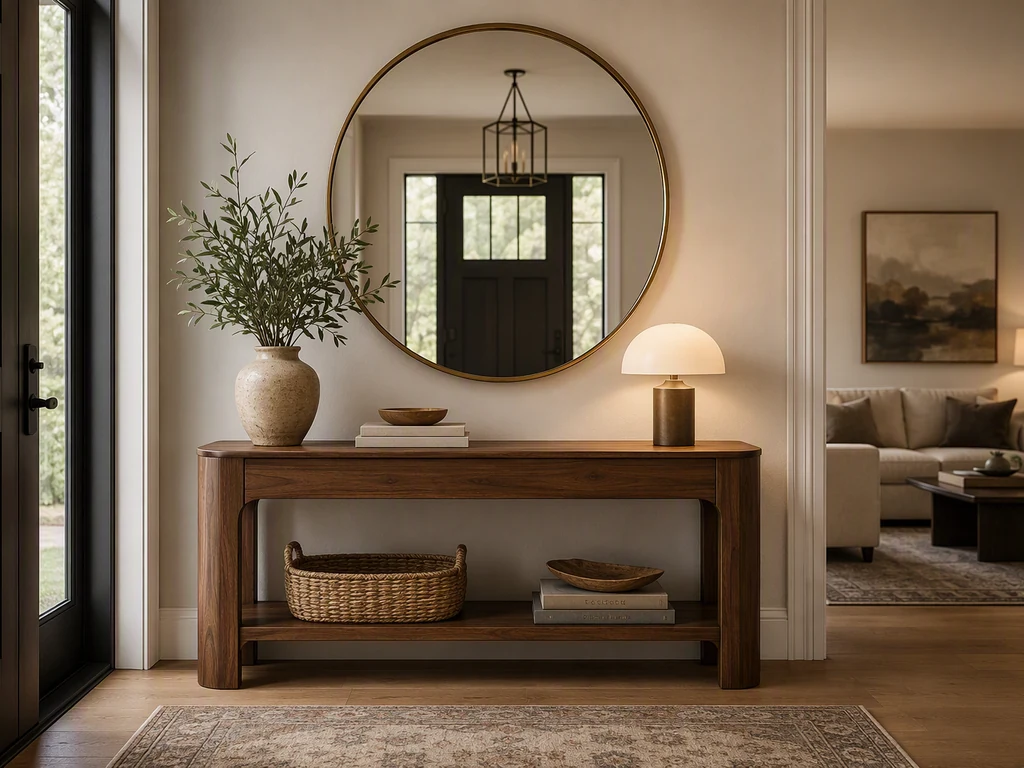
Entryway Ideas for Different Layouts and Routines
Start with how the entrance is used, not with a style label. A busy family drop zone may need a bench, hooks, and concealed shoe storage; a formal foyer may need only a console, mirror, and focused lighting. Compare the six references for door clearance, walking path, storage capacity, furniture depth, wall use, and visual weight. Select one to five images whose useful details can coexist in the same space.
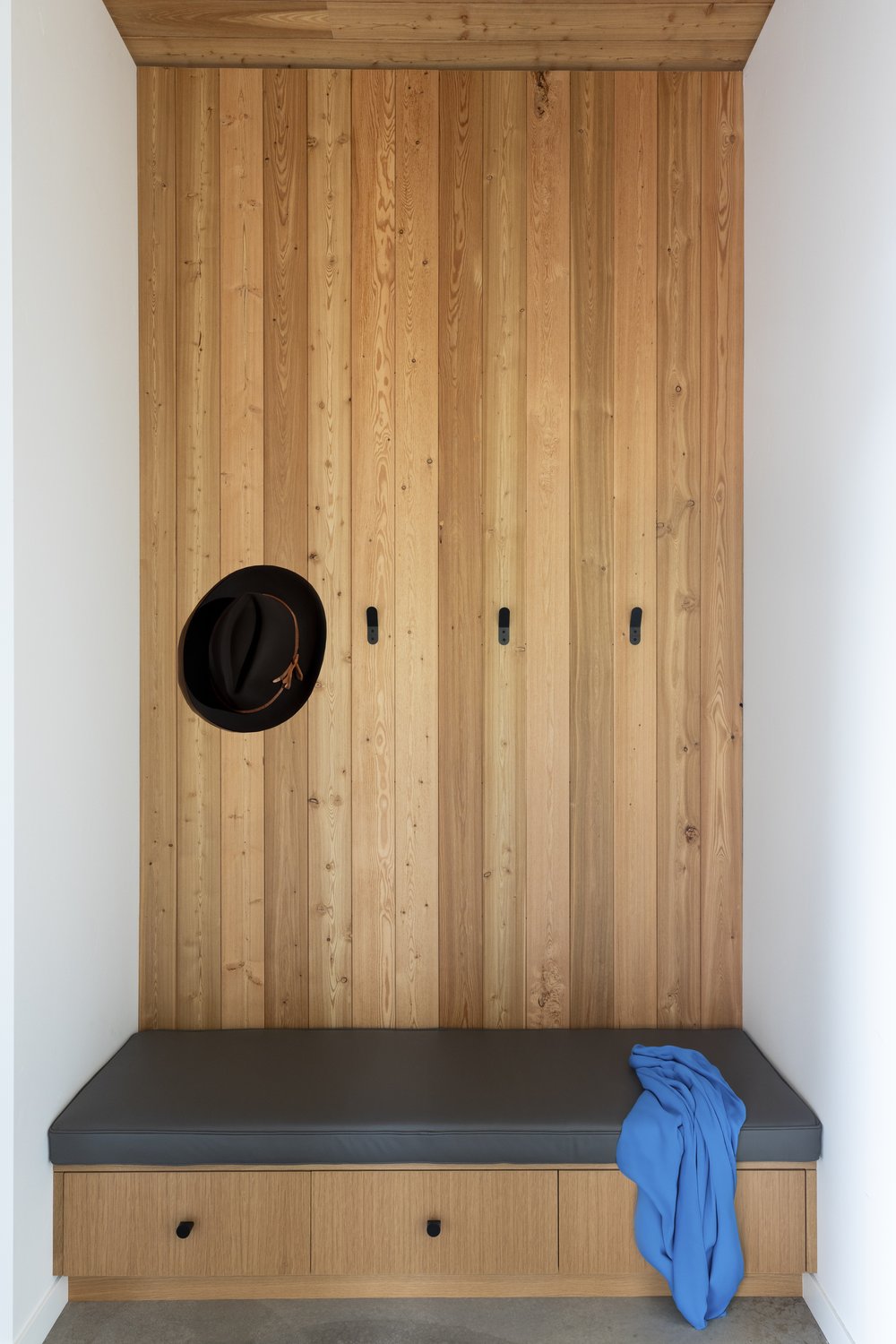
Combine Entryway Layout, Storage, Lighting, and Decor
Give each selected reference a job: one can guide the layout, another the storage, and another the palette or lighting. Keep one dominant focal point and avoid combining several full-height cabinets, oversized mirrors, or statement fixtures in the same concept. PromeAI maps your selection to a prepared output so you can judge the complete composition before continuing the direction in Canvas.
How to Turn Entryway Ideas into a Design Direction
Choose storage by frequency. Everyday shoes and coats need easy access; seasonal or visually noisy items are better behind doors or in baskets. A bench works when sitting to remove shoes matters, while a slim cabinet or floating shelf suits a narrow route. Place hooks where they can be reached without blocking the door, and leave enough open wall so the entrance does not feel overfilled.
Build the composition around one anchor, such as a mirror, artwork, console, bench, or pendant. Repeat two or three materials or colors from nearby rooms so the entryway feels connected to the home. Layer general and accent lighting, use a durable rug to define the zone, and edit small decor until the landing surface still has room for daily use.
Frequently Asked Questions
What should every entryway have?
No single checklist fits every home. Most entryways benefit from a clear walking path, adequate light, a place for the items used at the door, and one visual focal point. That may be a console and mirror in a formal foyer, or hooks, a bench, and shoe storage in a family entrance. Choose only the functions your routine requires.
How can I make an entryway look welcoming?
Use warm, comfortable lighting and make the first visible element intentional. A mirror, artwork, plant, or well-scaled console can provide focus, while a rug helps define the arrival zone. Keep the main path open and contain loose shoes, mail, and bags; a welcoming entry usually feels calm and easy to move through before it feels heavily decorated.
How do I decorate a small entryway without crowding it?
Use wall height and shallow pieces instead of filling the floor. Consider a floating shelf, slim shoe cabinet, wall hooks, a small mirror, or a bench with storage underneath. Limit the palette and let one element lead. Always check the door swing and walking path. This parent page covers the principle; the related Small Entryway Ideas page explores compact layouts in more depth.
How do I create an entryway when the door opens into the living room?
Create a visual zone just inside the door. A washable rug can mark the footprint; a narrow console, open bookshelf, or the back of a sofa can form an edge; and a wall shelf with hooks can establish a landing point without adding walls. Keep the colors and materials connected to the living room so the new zone feels intentional rather than detached.
Should I put a mirror in the entryway?
A mirror is useful for a last check and can reflect light, but it is optional. Choose a size that relates to the console or wall beneath it, and check what it reflects from the doorway. Avoid positions that catch harsh glare, interfere with the door, or reflect a cluttered storage area. Artwork or a sconce can serve as the focal point instead.
Can I combine several entryway ideas in one design?
Yes. Select one to five reference images and give each one a clear role. For example, use one image for the furniture layout, another for concealed shoe storage, and a third for lighting or color. References with compatible proportions usually produce a more coherent direction, while too many competing focal points can make the result feel busy.
How can I make the generated entryway design fit my space better?
Start by selecting references that match your entrance type, available wall space, storage needs, and preferred furniture depth. If the first result feels too crowded or formal, change the references and generate another direction. The output is visual inspiration rather than a measured plan, so confirm door clearance, walking space, dimensions, materials, and installation details before making real changes.