


List daily shoes, children's sizes, tall boots, sports footwear, and guest overflow separately. This determines shelf spacing and whether open or closed storage is practical. Store rarely used pairs away from the entrance so the main unit is sized for the real daily load rather than the entire household collection.
Entryway Shoe Storage Ideas for Everyday Shoes and Clear Floors
Explore entryway shoe storage ideas for everyday footwear, family drop zones, and narrow entrances. Compare closed cabinets, open cubbies, benches, baskets, tilt-out drawers, and full-height lockers by capacity and access. Select the arrangements that match your shoe habits, then generate a coordinated entrance concept in PromeAI.
Explore Entryway Shoe Storage Ideas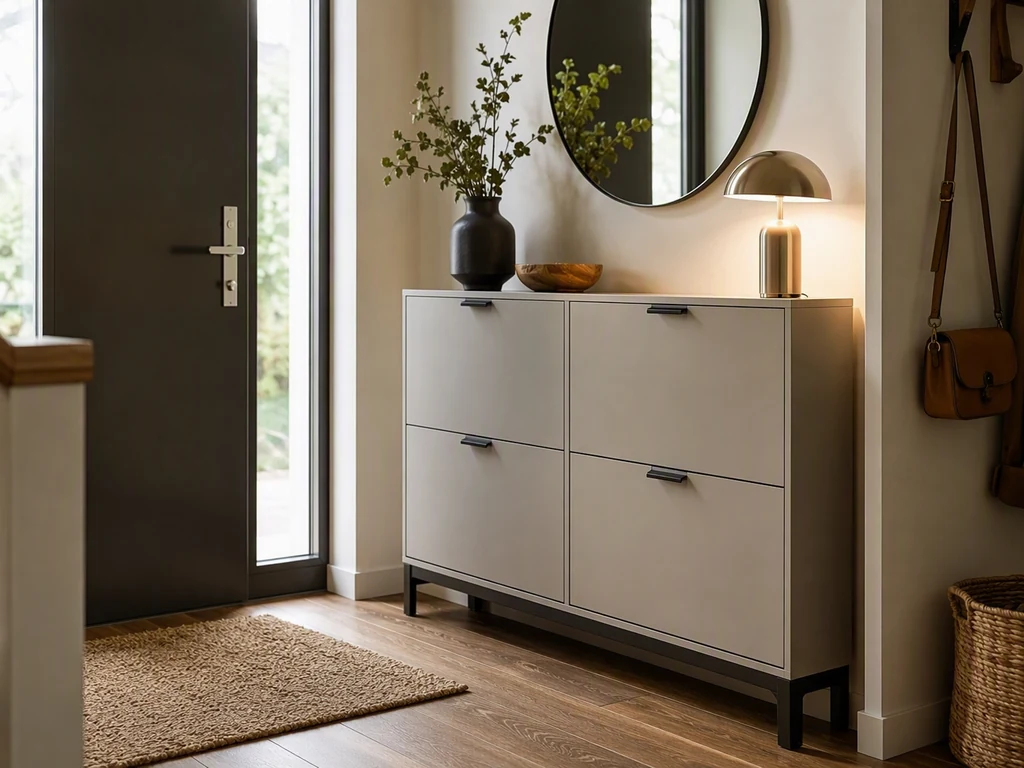
Entryway Shoe Storage Ideas by Access and Capacity
Count the shoes that genuinely need to stay near the door and separate daily pairs from seasonal footwear. Open cubbies are fast to use but expose visual clutter; closed cabinets look calmer but need ventilation and enough internal depth. Compare the six references for capacity, boot height, seating, door clearance, cleaning access, and whether wet shoes have a suitable place to dry.
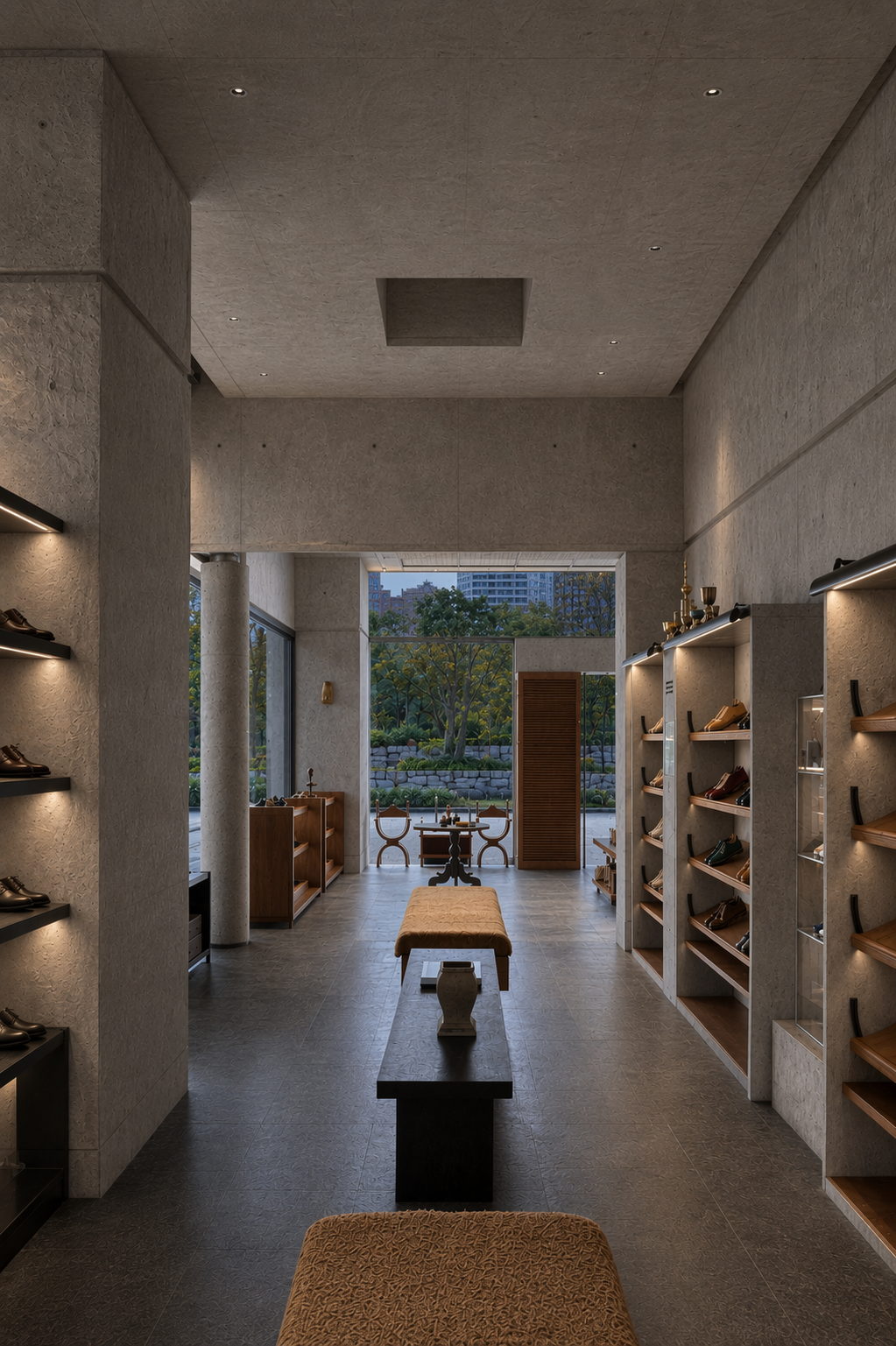
Combine Shoe Storage with a Practical Drop Zone
Use one reference to set the storage type and another to guide seating, hooks, baskets, or the landing surface. Keep wet footwear away from bags and mail, and avoid mixing several door or drawer systems in a tight entrance. A coherent result should make the daily route from door to storage obvious while leaving the floor easy to clean.
How to Plan Entryway Shoe Storage
Use tilt-out drawers or a shallow closed cabinet in a narrow route, open cubbies where speed matters, and a bench when sitting is part of the routine. Full-height lockers can combine footwear and coats but need sufficient wall width. Check handles, doors, and drawers in the open position, not only when closed.
Provide a washable tray or open drying area for wet shoes and choose surfaces that tolerate repeated cleaning. Ventilation matters in closed storage, especially when footwear is damp. Leave enough floor clearance to vacuum or mop, and keep delicate baskets or textiles away from the wettest zone.
Frequently Asked Questions
What is the best shoe storage for a narrow entryway?
A shallow tilt-out cabinet or wall-mounted unit usually uses the least passage depth, but the best choice depends on shoe size and door clearance. Measure the cabinet with doors or drawers open. If seating is essential, a narrow bench with storage beneath may be more useful than adding a separate cabinet and stool.
Is open or closed shoe storage better for an entryway?
Neither is universally better. Open storage is quicker to use and helps damp shoes dry, while closed storage reduces visual clutter. A mixed arrangement often works well: open space for current pairs and ventilated closed storage for clean footwear. The choice should reflect maintenance habits, moisture, and how formal the entrance feels.
How many shoes should I store by the front door?
Keep only the pairs used frequently enough to justify prime entrance space. For many households, that means one or two current pairs per person plus limited guest room, not every shoe owned. Rotating seasonal footwear prevents the unit from overflowing and keeps shelves accessible without making the entrance storage unnecessarily large.
Can I combine a shoe cabinet with an entryway bench?
Yes, when the combined depth still preserves circulation. A bench can sit beside a slim cabinet or include cubbies beneath the seat. Keep drawer and door paths clear, provide a place for wet footwear, and avoid duplicating storage types unless each serves a distinct purpose such as daily shoes, boots, or seasonal pairs.
How can I judge whether a generated shoe-storage idea will fit?
Compare the concept with your available wall width, maximum depth, baseboards, outlets, and door swing. Count the shelf spaces and check whether boots or large shoes are represented realistically. The generated image is not a measured plan, so confirm internal dimensions, ventilation, fixing, loads, and material durability before buying or building anything.