


Look first at rooflines, volume composition, entry position, and the rhythm of openings. Choose references whose scale and setting relate to the type of house being considered. Surface materials cannot resolve a direction when the underlying forms communicate a different architectural language.
Exterior House Design for Comparing Complete Facade Directions
Explore exterior house design through complete facade directions rather than isolated finishes. Compare contemporary, classic, coastal, rustic, urban, and landscape-led houses by massing, roof form, openings, material transitions, and color. Select references that suit the setting and architectural character, then generate a coordinated visual direction in PromeAI.
Explore Exterior House Design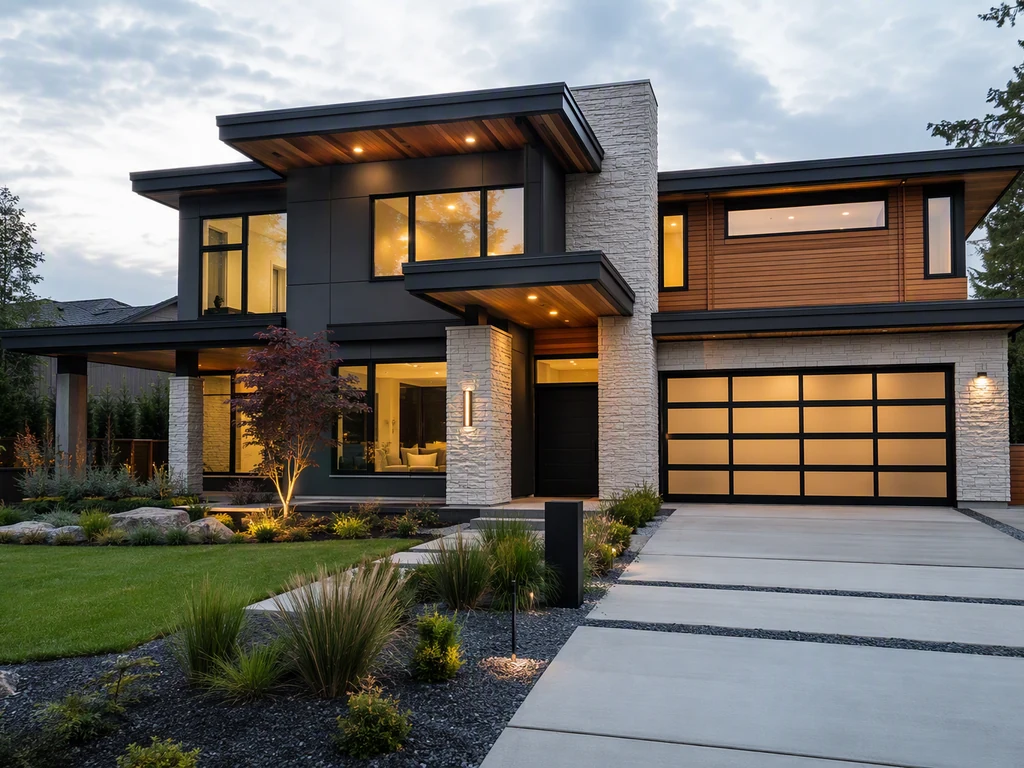
Exterior House Design by Form, Openings, and Material
Read the building shape before focusing on cladding or paint. Roof geometry, window proportions, entry depth, and the relationship between solid and glazed areas establish the exterior character. Compare the six references for massing, scale, material junctions, shading, weather exposure, landscape, and whether decorative details support or contradict the main architecture.
Combine One Exterior Form with a Controlled Material Palette
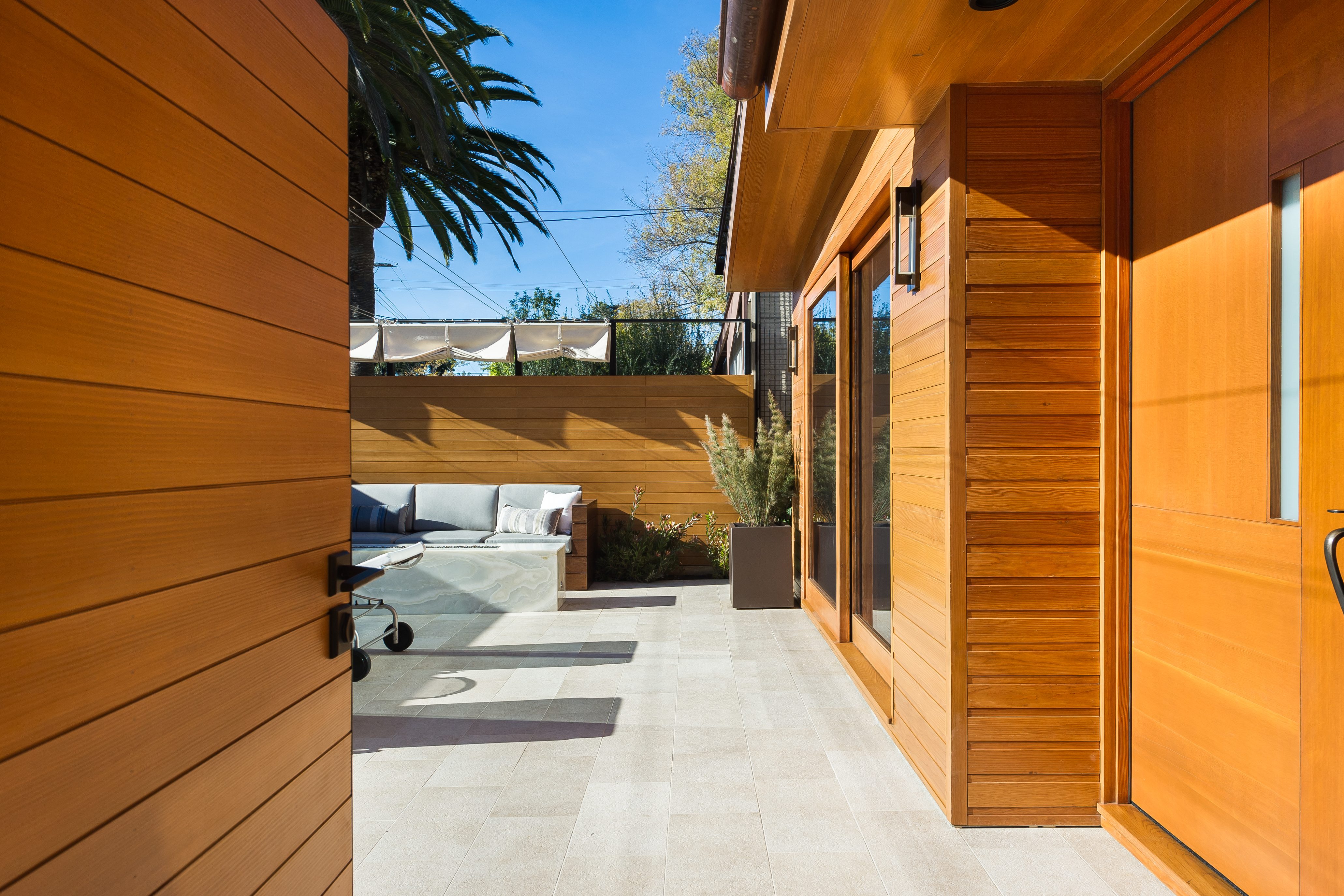
Use one reference to guide the overall massing and another for openings, material, or landscape. Keep transitions aligned with real architectural edges instead of changing finishes arbitrarily across a wall. A limited palette with one dominant material and supporting accents usually communicates a stronger direction than combining every facade treatment that appears attractive in isolation.
How to Compare House Exterior Styles and Materials
Assign each material a role and end it at corners, recesses, floor lines, or other believable architectural breaks. Repeat window and trim logic across the facade. Consider weathering, maintenance, local availability, and how colors change between sun and shade before treating a visual palette as a specification.
Use planting, paths, walls, and lighting to reinforce the entry and the building proportions rather than hide them. Review views from the street and approach, along with privacy, shading, and local context. The landscape should support the facade direction while remaining plausible for climate and maintenance.
Frequently Asked Questions
What makes a house exterior look cohesive?
A clear relationship between building form, window rhythm, roof, materials, and entry creates cohesion. Limit the material palette, repeat trim and opening rules, and place transitions at believable architectural edges. Landscape and lighting should support the same hierarchy instead of introducing a separate style around the facade.
How do I choose exterior materials for a house?
Compare climate, weathering, maintenance, fire and moisture performance, local availability, cost, and compatibility with the building form. Use inspiration images to define the desired relationship between materials, not to select a product from appearance alone. Samples and technical information must be reviewed in the actual setting.
How many exterior materials should a house use?
There is no fixed number, but a dominant material with one or two supporting finishes is often easier to coordinate. More materials can work when each has a clear architectural role and transition. Too many equal-strength claddings can fragment the facade, especially on a compact house with many openings.
Can I combine different exterior house styles?
Yes, when one style establishes the primary form and the other contributes restrained details or materials. Combine compatible proportions and window logic rather than attaching unrelated features to each elevation. A hybrid direction should still read as one building from the roofline to the entry and landscape.
Can a generated exterior concept be used as building documentation?
No. It is visual inspiration and does not confirm dimensions, structure, envelope performance, drainage, code, planning approval, products, or constructability. Use it to compare architectural direction, then have site conditions, materials, openings, detailing, energy requirements, and approvals developed through the appropriate professional process.