


State the season, wearer, occasion, product range, and emotional tone in a few sentences. Use those criteria to filter references. A board for a commercial capsule and one for an experimental editorial project may share imagery but require different levels of wearability, detail, and range planning.
Fashion Mood Board That Connects Silhouette, Fabric, and Styling
Explore fashion mood board directions that connect silhouette, fabric, palette, detail, styling, and audience. Compare tailoring, romance, streetwear, utility, metallic, and resort concepts by the collection logic they establish. Select references that support one design brief, then generate a focused fashion direction in PromeAI.
Explore Fashion Mood Board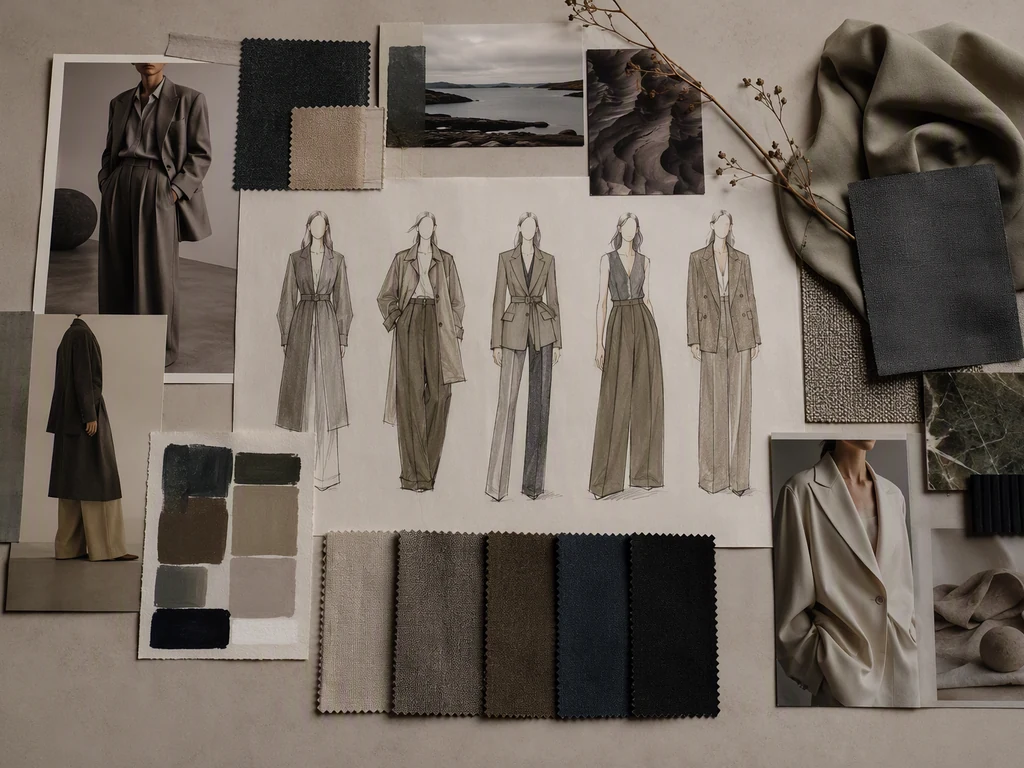
Fashion Mood Boards by Collection Story and Customer
Define the season, wearer, occasion, and emotional tone before collecting runway or editorial imagery. A strong board balances silhouette, textile, color, construction detail, and styling without letting one dramatic image dictate an unworkable collection. Compare the six references for proportion, fabric behavior, palette, repetition, cultural context, and whether the direction can produce several related looks.
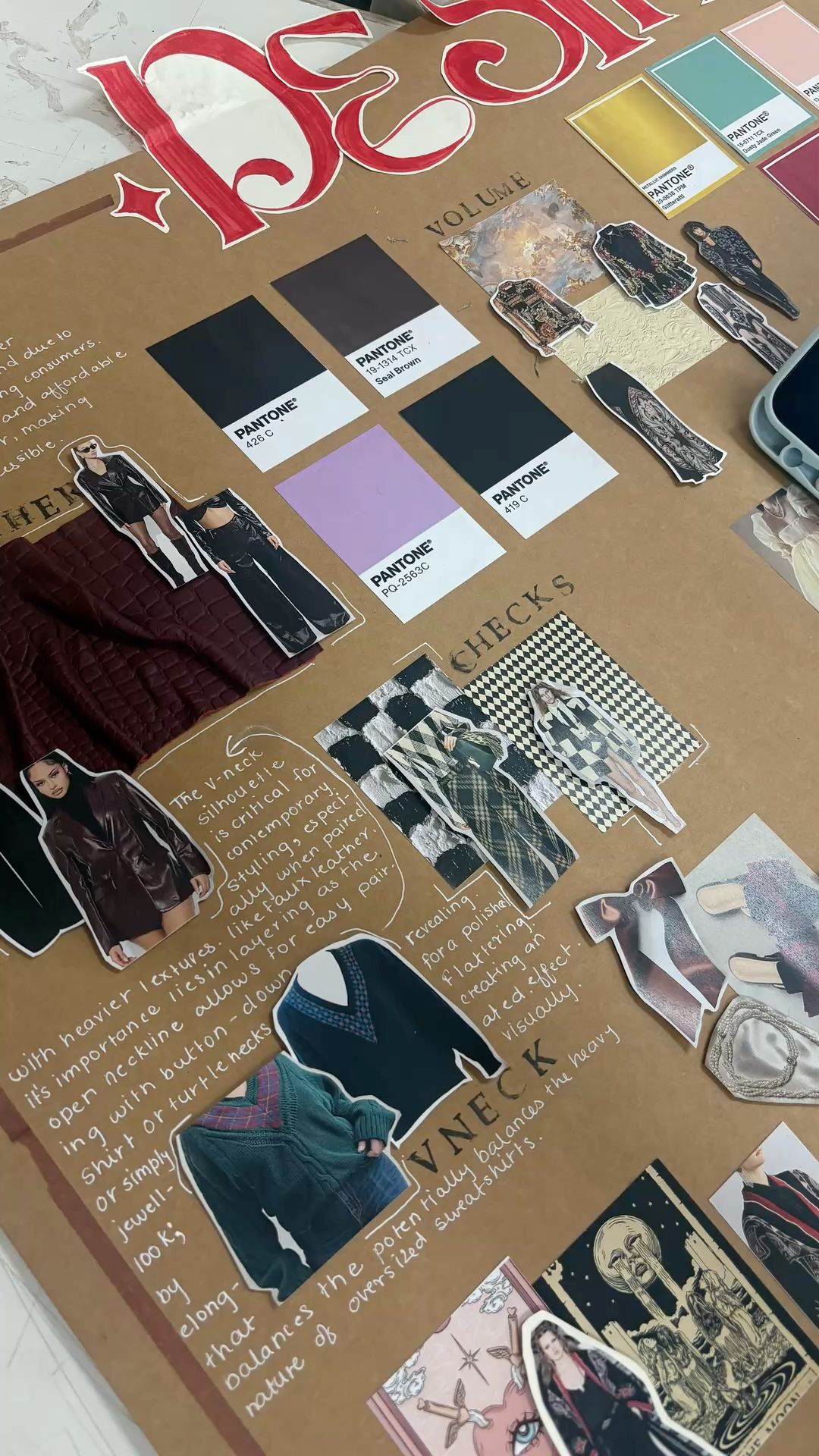
Combine Silhouette, Textile, and Styling References
Use one board for the dominant collection story and others for a specific silhouette, surface, or palette. Keep the customer and occasion consistent, and avoid mixing every appealing trend into the same brief. The combined direction should reveal repeated design codes that can vary across garments while remaining recognizably part of one collection.
How to Build a Fashion Mood Board for a Collection
Include silhouette, textile, color, construction detail, styling, and contextual images rather than repeating complete outfits. Group references to reveal shared proportions or design codes. Remove famous looks that dominate the board but cannot translate into an original and coherent collection.
Extract recurring hem lengths, volumes, lines, materials, closures, or styling principles. Test several garment ideas against those rules. Track sources and avoid treating copyrighted images, logos, or identifiable designs as assets that can be copied directly into final work.
Frequently Asked Questions
What should a fashion mood board include?
Include the collection story, customer, season, silhouette, fabric, palette, construction details, styling, and relevant context. Use varied image types rather than only complete outfits. Every reference should support a design decision or rule that can translate across more than one look.
How do I make a mood board for a fashion collection?
Write the brief first, collect broadly, then edit aggressively. Group images by silhouette, material, color, and detail, identify repeated design codes, and remove references that conflict with the customer or occasion. The finished board should guide several related garments rather than describe one copied outfit.
How many colors should a fashion mood board use?
Use enough colors to support the collection range while maintaining clear roles. A base, supporting tones, and limited accents often create a workable hierarchy. Fabric texture and finish can make the same hue behave differently, so the visual board should later be tested with actual textile and trim samples.
Can I combine streetwear and tailoring references?
Yes, when one supplies the base proportion and the other contributes a controlled detail, textile, or styling idea. Keep the intended customer, occasion, and garment range coherent. Combining complete and unrelated aesthetics at equal strength can produce a board that offers inspiration but no usable collection rules.
Can generated fashion-board images be copied into final designs?
No. Use them to explore direction, not as proof of originality, rights, construction, or production feasibility. Develop original garments, verify image and trademark use, source actual fabrics, test fit and construction, and review cultural context and manufacturing requirements before presenting or producing final work.