


Stand at each entrance to the hallway and identify where the eye naturally lands. Use the end wall, a doorway, or a long side wall as the primary focal area. This prevents decorative elements from being distributed evenly without hierarchy and helps shorter views feel intentional.
Hallway Decor Ideas That Add Rhythm without Clutter
Explore hallway decor ideas for long passages, short connectors, and overlooked transition spaces. Compare gallery walls, runners, mirrors, shallow consoles, paneling, sconces, and end-wall focal points by scale and rhythm. Select references that suit the hallway width and sightline, then generate a coordinated direction in PromeAI.
Explore Hallway Decor Ideas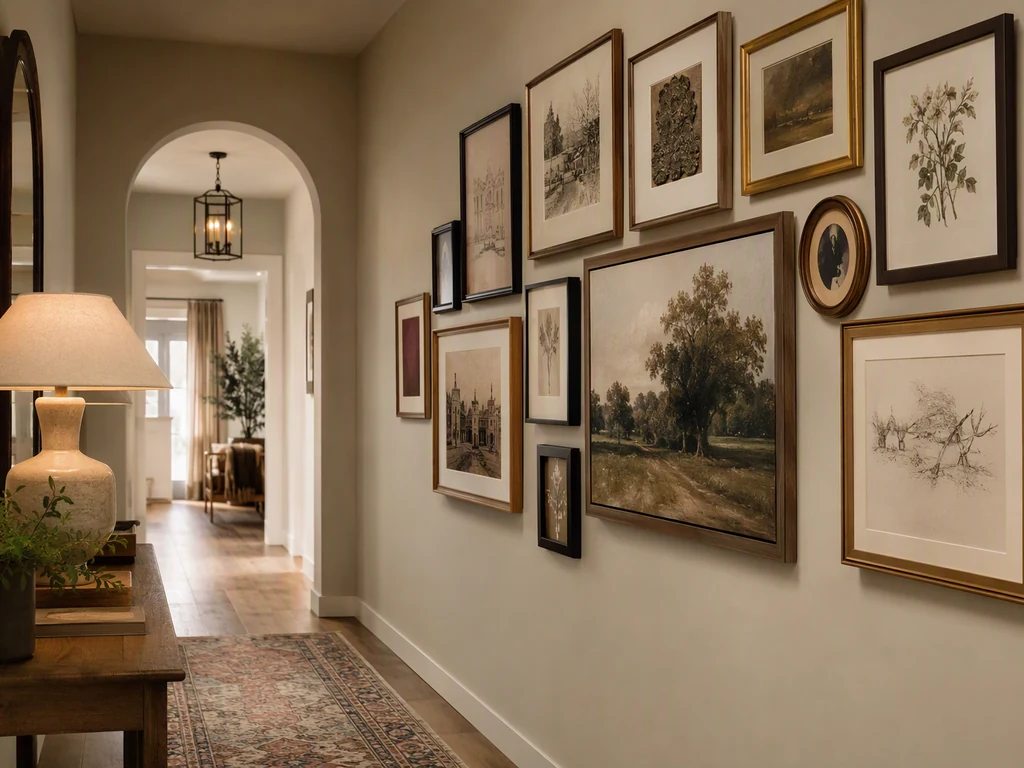
Hallway Decor Ideas by Width, Length, and Sightline
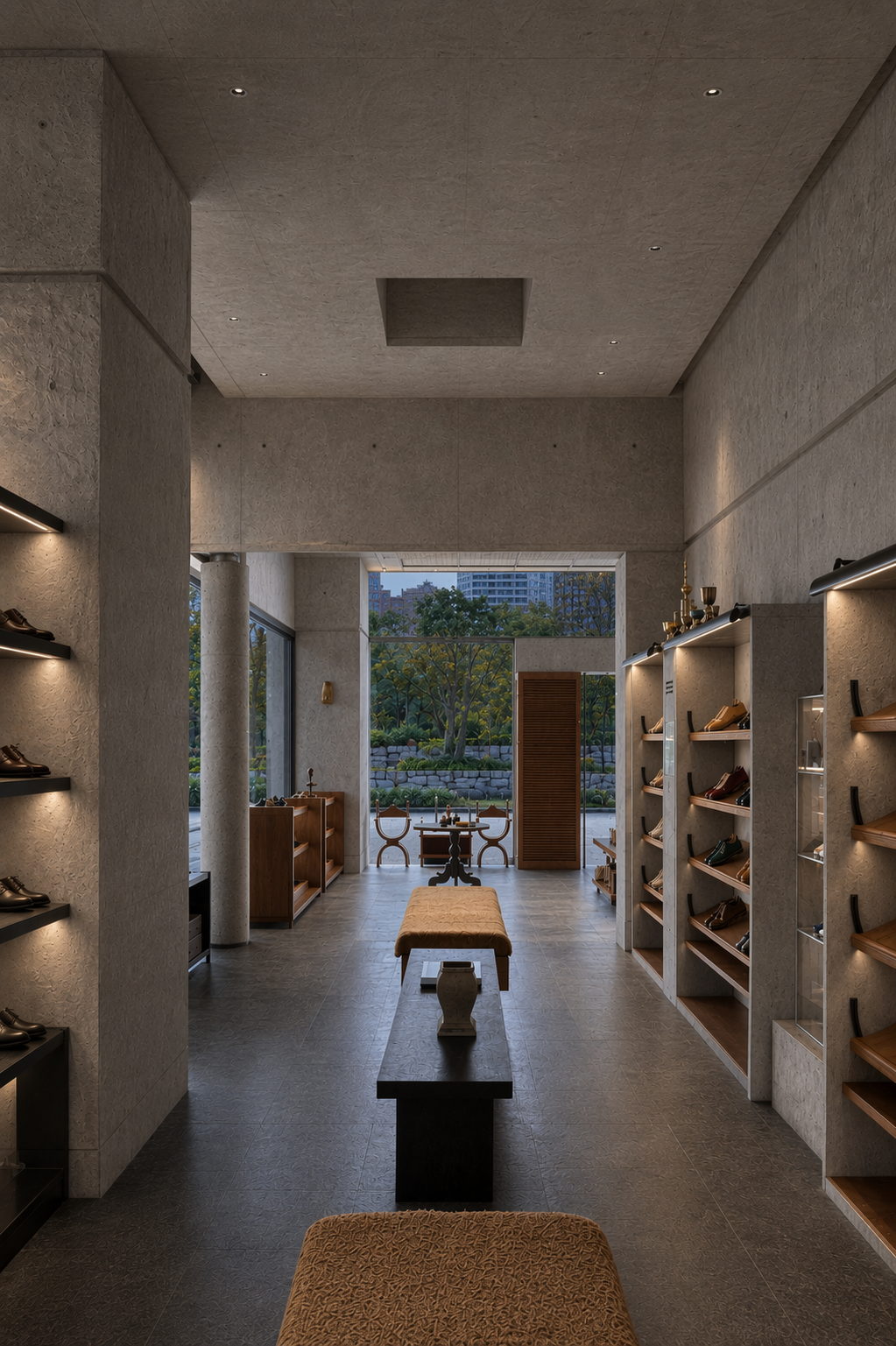
Treat the hallway as a sequence rather than a leftover wall. A long passage benefits from repeated lighting, artwork, or a runner, while a short hall may need only one strong view at the end. Compare the six references for projection into the path, hanging height, spacing, wall durability, lighting, and how the decor appears from adjoining rooms.
Combine Wall Decor, Lighting, and Floor Rhythm
Let one reference establish the main rhythm and use others for supporting color, material, or light. A gallery wall, bold paneling, and patterned runner can compete when all three carry equal contrast. Keep one dominant layer and repeat a limited set of frames, finishes, or colors so the passage feels connected from end to end.
How to Build a Cohesive Hallway Look
Repeat sconces, frames, panel divisions, or runner motifs at intervals related to the hallway length. Consistent spacing creates order, but perfect symmetry is not required. Keep projections shallow and place fragile objects away from shoulders, doors, and busy circulation points.
Borrow two or three colors or materials from the rooms the hallway links. The decor can have its own character without becoming a separate theme. Use lighting to support artwork and navigation, and choose rugs or wall finishes that tolerate the traffic level of the passage.
Frequently Asked Questions
What can I put in a hallway to make it look better?
Choose one main layer first: artwork, a runner, paneling, mirrors, or lighting. Add a shallow console only when the width permits it. A strong end-wall focal point often improves a hallway more than filling both side walls. The best choice depends on the viewing direction, traffic, and available depth.
How do I decorate a long hallway wall?
Create rhythm with a gallery arrangement, repeated sconces, panel divisions, or a continuous ledge. Group items into a deliberate sequence rather than scattering small pieces across the full length. Keep frame spacing and hanging height consistent, and introduce a pause near doors so the display does not compete with every opening.
Should a hallway runner cover the whole hallway?
No. A runner should define the main route while leaving practical clearance at doors, stairs, and thresholds. Its length can emphasize the passage, but it does not need to touch every end. Choose a durable, low-profile rug and secure it properly so edges do not become a trip risk in a high-traffic area.
Can I combine several hallway decor styles?
Yes, if they share a clear relationship such as frame finish, color, material, or period. Use one style as the dominant language and let contrasting pieces act as accents. Mixing several unrelated gallery treatments, runner patterns, and wall finishes at equal strength can make a narrow connecting space feel visually noisy.
How can I adapt a generated hallway direction to my space?
Match references to your hallway's length, width, door positions, and strongest sightline before selecting by color. If the output includes furniture that projects too far, replace that reference with a wall-led option. Confirm hanging positions, electrical work, rug safety, dimensions, and installation details separately before making physical changes.