


Note daylight, doorways, stairs, corners, and the darkest section at the times the hallway is used. Provide continuous orientation light before adding accents. Switching at both ends, dimming, and low-level night lighting may matter more to daily use than the fixture style itself.
Hallway Lighting Ideas for Safer, More Layered Light
Explore hallway lighting ideas for safe circulation, artwork, architectural detail, and evening atmosphere. Compare sconces, pendants, wall washing, adjustable spots, concealed glow, and daylight-led schemes by placement and glare. Select references that match the ceiling height and hallway rhythm, then generate a coordinated direction in PromeAI.
Explore Hallway Lighting Ideas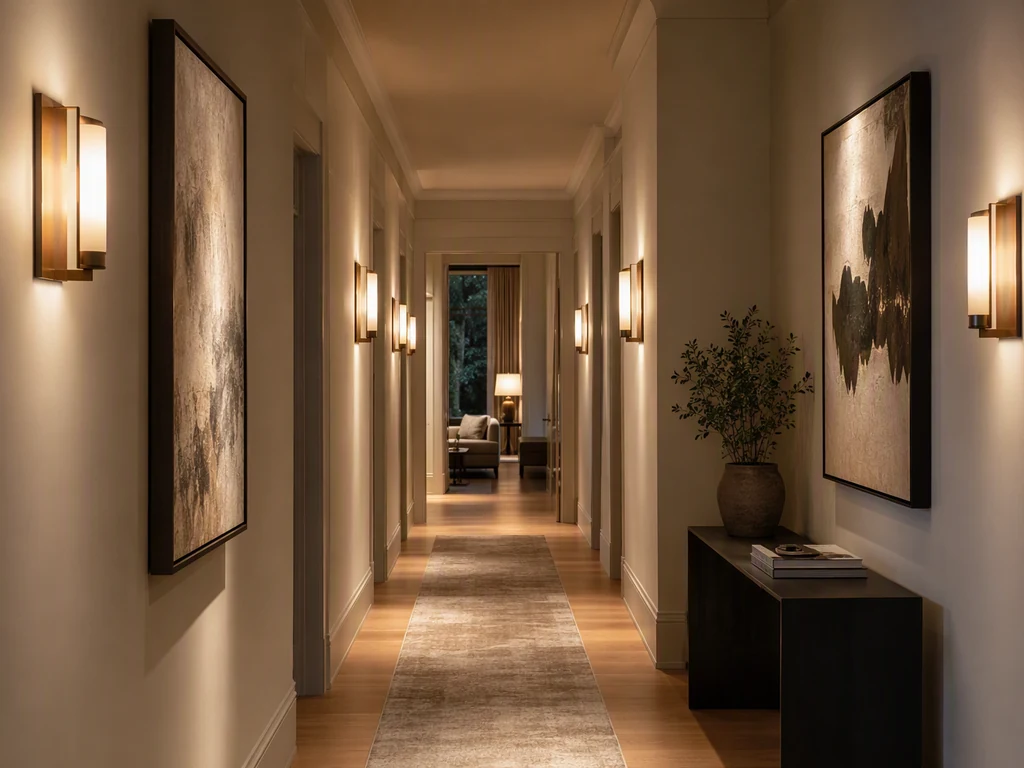
Hallway Lighting Ideas for Ambient and Accent Light
Plan the base light required for movement before choosing a statement fixture. Long halls often need repeated sources or wall washing to avoid bright and dark patches, while short halls may work with one ceiling light plus a focused accent. Compare the six references for spacing, ceiling height, wall texture, artwork, glare, shadow, and visibility at doors or steps.
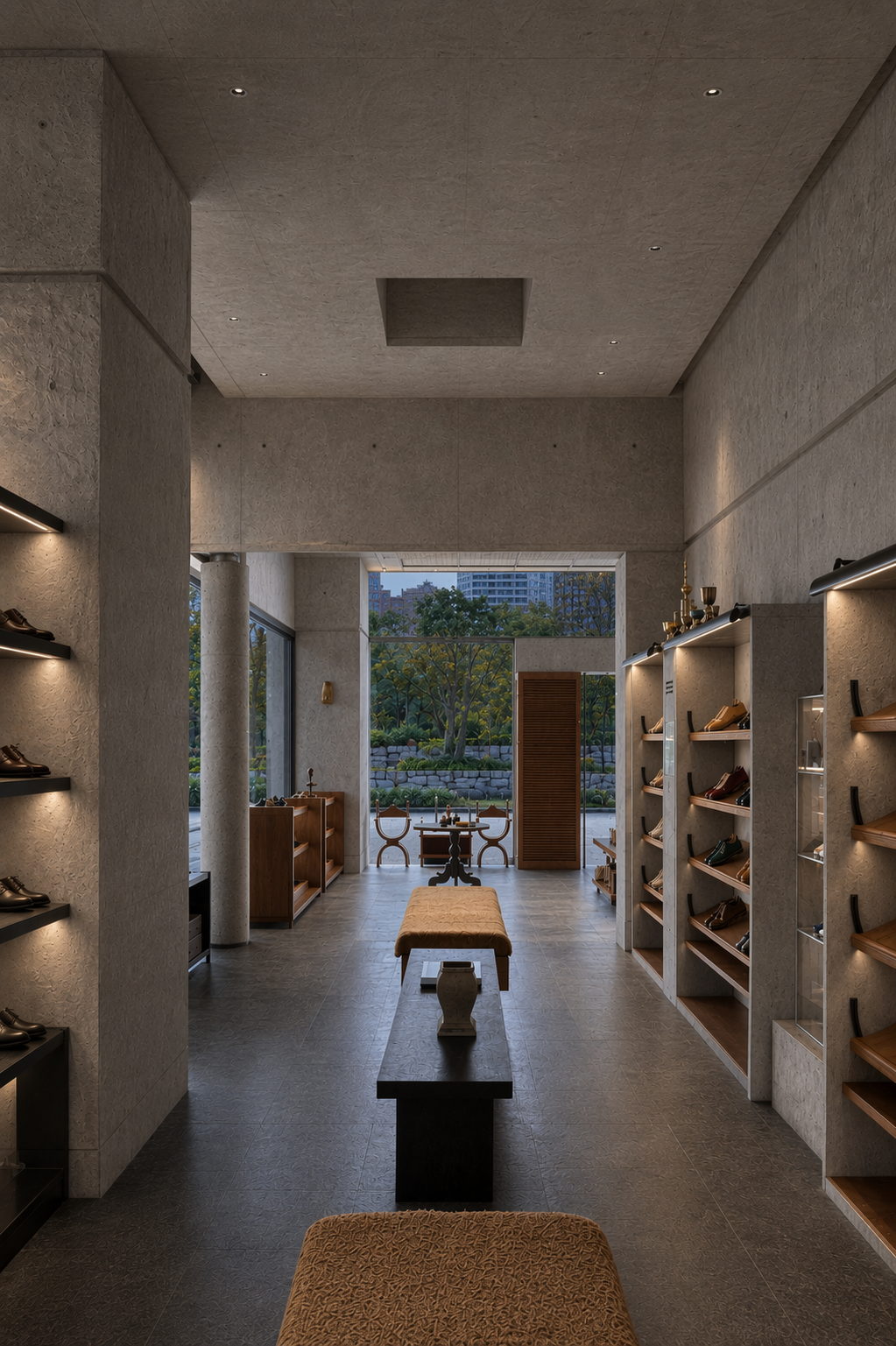
Combine General Light with a Consistent Rhythm
Let one reference define the main lighting layer and use another for artwork or atmosphere. Mixing pendants, sconces, spots, and concealed strips without hierarchy can create uneven brightness and visual clutter. Repeat fixture finishes or light color, keep controls practical at both ends, and ensure decorative effects do not leave the walking path underlit.
How to Plan Hallway Lighting by Placement and Mood
Use shallow ceiling lights where headroom is limited, repeated pendants only where height permits, and sconces where they will not project into shoulders or doors. Wall washing can soften a narrow passage, while adjustable spots suit artwork. Test scale against both ceiling height and hallway length.
Shield exposed lamps from normal sightlines and avoid aiming strong spots toward mirrors or glossy doors. Keep color temperature reasonably consistent with adjoining rooms unless a deliberate transition is intended. Dimmers allow the hallway to support both practical movement and a quieter evening atmosphere.
Frequently Asked Questions
What type of lighting is best for a hallway?
The best scheme usually combines even ambient light with targeted accent light where needed. Flush or recessed fixtures suit low ceilings, sconces add rhythm, and adjustable spots can highlight art. Choose by hallway length, ceiling height, wall projection, and control locations rather than selecting a fixture type by appearance alone.
How far apart should hallway lights be?
There is no universal spacing because output, beam angle, ceiling height, wall color, and daylight all change the result. Aim for even overlap without obvious dark gaps or excessive brightness. A lighting plan or on-site test is more reliable than copying one distance from an image, especially near stairs and turns.
Are wall sconces suitable for a narrow hallway?
Yes, when they are shallow enough not to obstruct movement and positioned clear of doors. Up-and-down or diffused sconces can brighten walls and create rhythm, but exposed lamps may cause glare at eye level. Check projection, mounting height, wiring, and the view from both directions before committing to a layout.
Can I combine pendants and sconces in one hallway?
Yes, if one provides the primary light and the other has a supporting role. Repeat a finish, shape, or light color to keep the scheme coherent, and avoid crowding a short hall with several feature fixtures. Verify ceiling clearance, wall projection, switching, and total brightness as one system rather than separate purchases.
Can a generated hallway-lighting image be used as an electrical plan?
No. It can communicate fixture style, rhythm, and atmosphere, but it does not specify circuits, loads, code requirements, exact illuminance, or safe installation. Use the generated direction to discuss preferences, then confirm fixture data, wiring, switching, emergency or stair needs, and installation with an appropriately qualified professional.