


Define whether it stores books, frames a focal point, hides media, separates zones, or supports a reading area. This determines height, openness, and access. A divider needs an attractive back and stable placement, while shelves around media require cable, ventilation, and viewing considerations.
Living Room Bookshelf Ideas for Storage, Media, and Display
Explore living room bookshelf ideas that work with seating, media, fireplaces, art, and circulation. Compare sofa-side shelves, media walls, fireplace libraries, low units, display bookcases, and room dividers by scale and room role. Select references that fit the focal point and furniture plan, then generate a coordinated direction in PromeAI.
Explore Living Room Bookshelf Ideas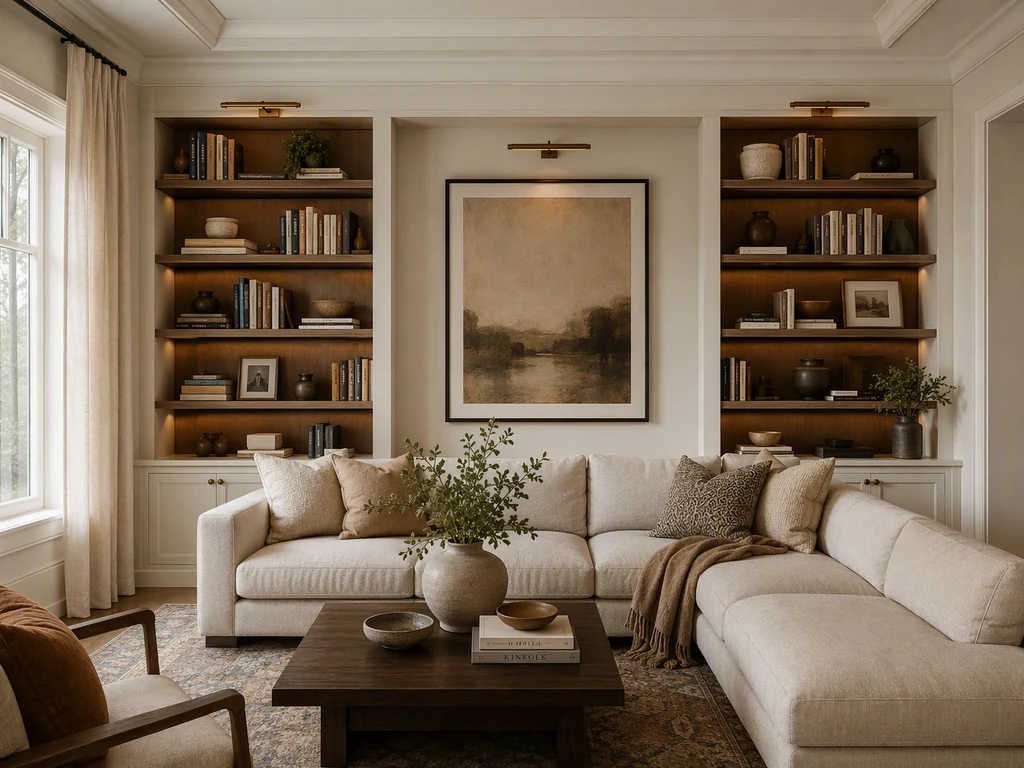
Living Room Bookshelf Ideas by Focal Point and Layout
Decide whether the bookshelf supports the fireplace, media wall, sofa, reading area, or room division. Large shelf walls compete with other focal points unless their visual weight is controlled. Compare the six references for viewing angles, storage mix, shelf depth, seating clearance, cable access, lighting, and how books and objects appear from the main sitting positions.
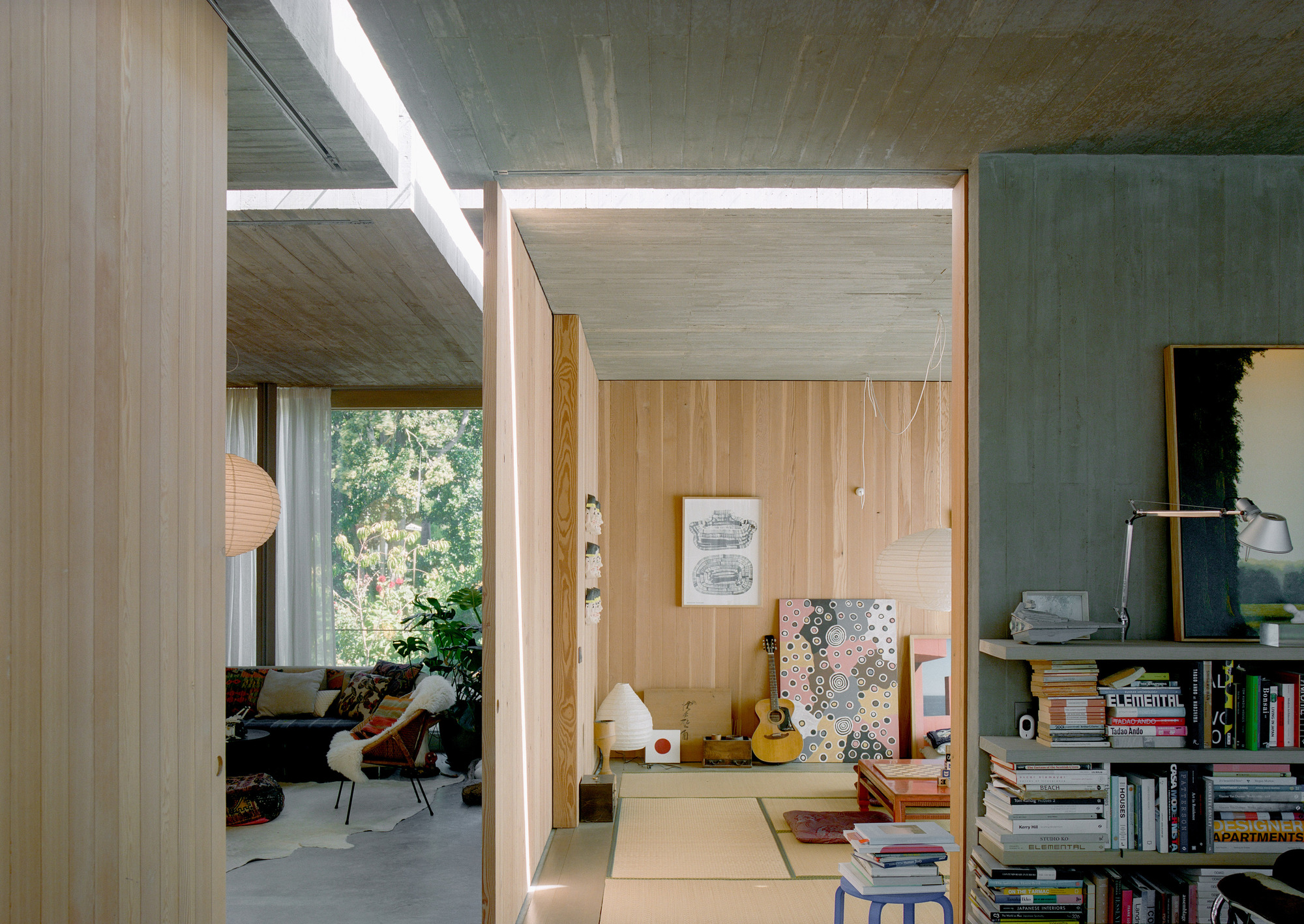
Combine Bookshelves with Seating, Media, and Art
Let one reference establish the room relationship and another guide finish or shelf rhythm. Keep the television, fireplace, and display shelves in a clear hierarchy rather than making each a separate centerpiece. Closed storage can quiet equipment and clutter, while repeated colors or materials connect the bookcase to upholstery and nearby furniture.
How to Integrate Bookshelves into a Living Room
If the room already has a fireplace or television, decide which element leads and let the bookshelf support it through symmetry, color, or quieter styling. Avoid several large grids, art displays, and screens competing at equal contrast. Review the composition from the primary seating position.
Provide closed storage for games, remotes, cables, and objects that do not display well. Keep books and frequently used media accessible, and place fragile decor away from busy seating paths. Lighting can emphasize shelves, but glare and heat around screens or books must be controlled.
Frequently Asked Questions
Where should a bookshelf go in a living room?
Place it where it supports the room's function: beside a reading chair, around a fireplace, along a media wall, behind seating, or as a divider. Check the view from the sofa, door and window clearance, access to outlets, and whether the unit narrows the main circulation route.
How do I style living room bookshelves?
Start with books and practical storage, then add a limited number of larger objects, art, or plants. Repeat colors from upholstery and the room finishes, vary height, and leave open space. Hide cables and visually noisy items in closed storage rather than treating every possession as display.
Can bookshelves go around a television?
Yes. Leave appropriate ventilation, cable access, and visual breathing room around the screen. Keep shelf lighting from reflecting in the display and avoid styling that distracts from viewing. The media opening, equipment depth, and future screen size should be confirmed before committing to fixed cabinetry.
Can a bookshelf work as a living room divider?
Yes, when it is stable, appropriately anchored, and attractive from both sides. Open shelving can share light between zones, but it provides limited privacy and exposes clutter. Check the walking route, floor fixing, object security, and whether the shelf depth supports the items displayed on both faces.
How can I adapt a generated bookshelf direction to my living room?
Choose references with a similar focal point, ceiling height, and furniture layout. Replace any concept that blocks windows, creates screen glare, or leaves no access to storage. Confirm dimensions, loads, wall structure, media ventilation, electrical work, anchoring, and construction details before installation.