


Identify the main view from seating and from the room entrance. Decide whether the wallpaper acts as a backdrop, a focal mural, or an all-room texture. Consider windows, fireplaces, media, shelves, and artwork before selecting a pattern that depends on uninterrupted surface.
Living Room Wallpaper Ideas That Work with Seating, Art, and Light
Explore living room wallpaper ideas that work with seating, artwork, windows, and the room's main focal point. Compare textural, botanical, graphic, scenic, heritage, and tonal directions by scale and light. Select references that suit the furniture and architecture, then generate a coordinated living-room visualization in PromeAI.
Explore Living Room Wallpaper Ideas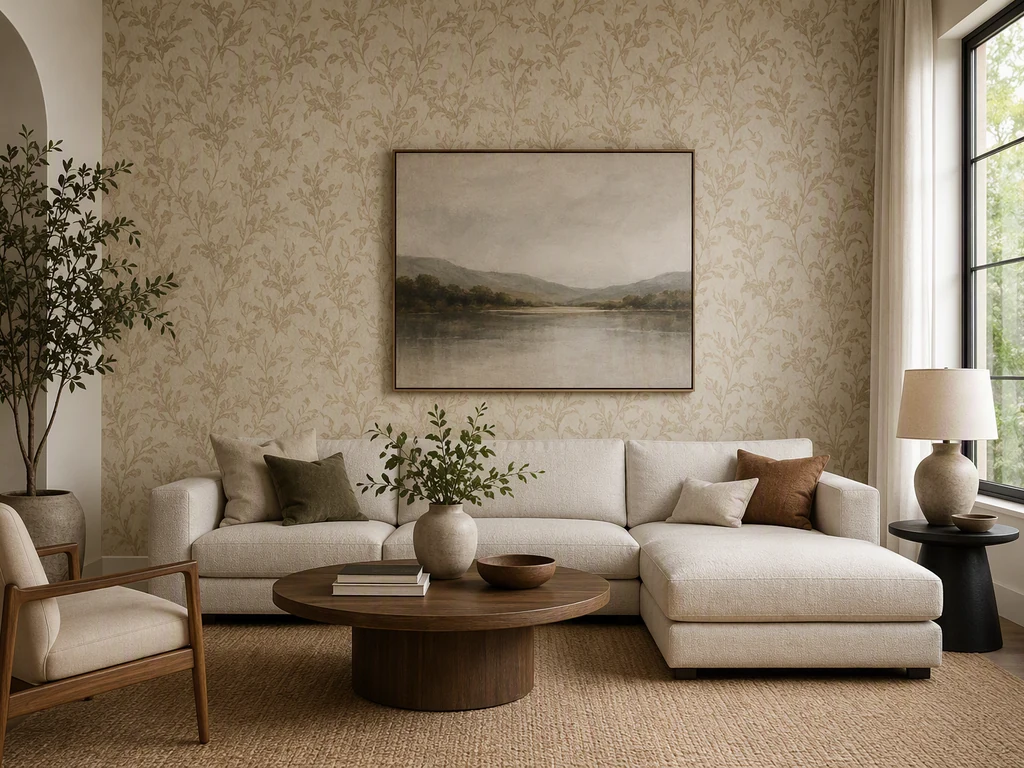
Living Room Wallpaper Ideas by Focal Point and Natural Light
Decide whether wallpaper supports the sofa wall, fireplace, media area, or an uninterrupted architectural surface. Windows, shelves, art, and large furniture determine how much pattern remains visible. Compare the six references for motif scale, daylight, glare, viewing distance, furniture contrast, artwork, and whether the wall adds depth without competing with every other focal point.
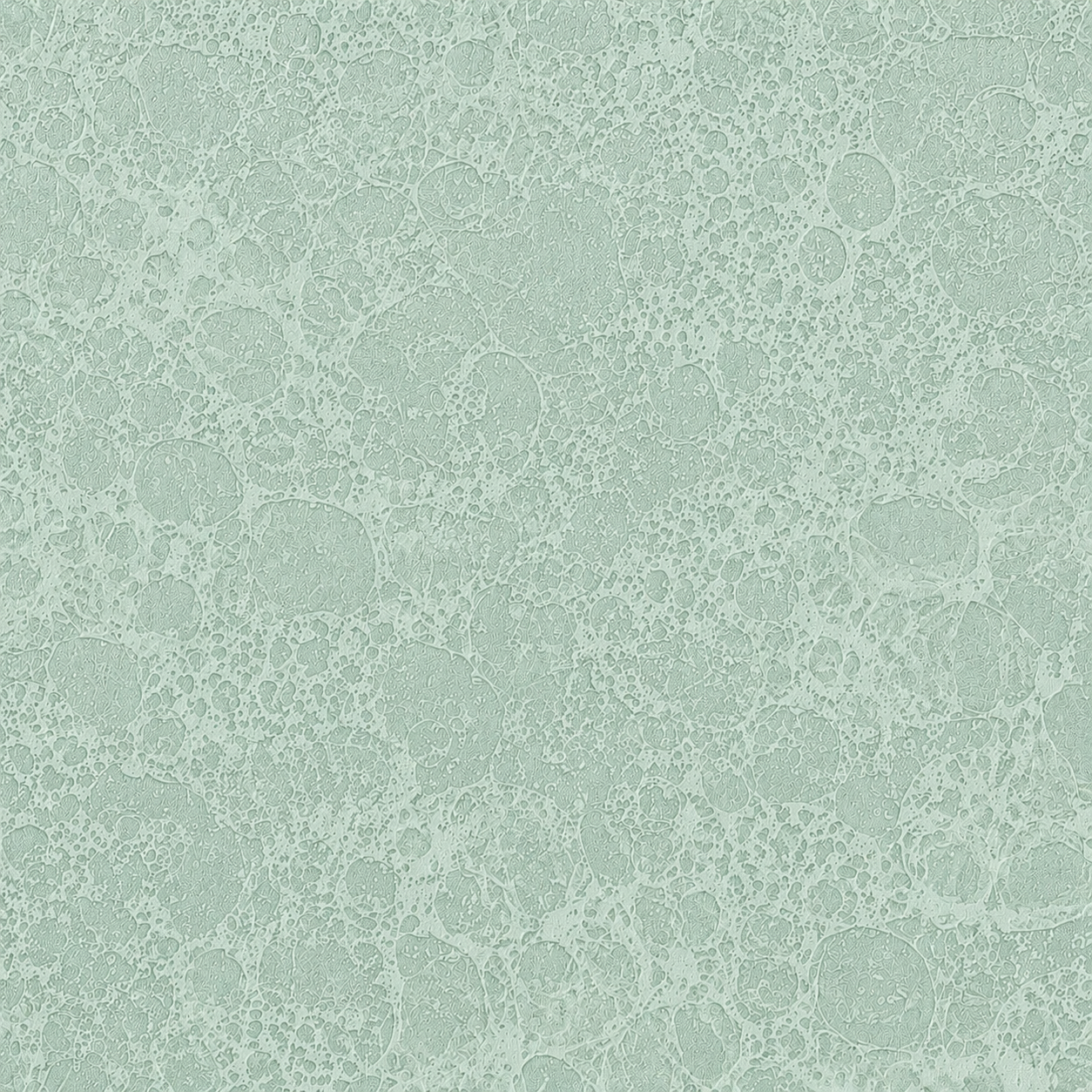
Combine Wallpaper with Seating, Art, and Room Materials
Use one reference for the wall direction and another for palette or atmosphere. Repeat a controlled color in upholstery, cushions, or art and vary pattern scale across textiles. Keep media screens, fireplaces, and large artwork in a clear hierarchy; the wallpaper should connect the scheme rather than make each surface visually independent.
How to Choose Wallpaper for a Living Room Scheme
Mock up the design at actual size behind the sofa, console, or shelving. Check whether key motifs are hidden and whether the repeat creates awkward bands around openings. Review the pattern from normal seating distance as well as close to the wall.
Compare samples in changing natural light and evening lamps, especially when the paper is dark or reflective. Coordinate undertones with flooring, wood, upholstery, and metal. Confirm physical samples, product performance, repeat, wall preparation, seams, and installation separately.
Frequently Asked Questions
Which wall should be wallpapered in a living room?
Choose the wall that carries a meaningful view, such as behind the sofa, around a fireplace, or on an uninterrupted surface visible from the entrance. Avoid a feature wall selected only because it is empty. Consider windows, television glare, shelving, artwork, and how much of the pattern furniture will cover.
How do I match living room wallpaper with furniture?
Identify the wallpaper undertones and repeat one or two colors through upholstery, cushions, rugs, or art. Vary pattern scale so textiles and walls do not compete. Test a large sample behind the actual sofa and beside flooring or wood finishes under the room's changing light.
Can wallpaper make a living room feel bigger?
It can influence perceived depth through scale, direction, contrast, and scenic perspective, but it cannot replace a functional layout or adequate light. Lower-contrast patterns often feel calmer, while a mural can extend one view. Test the complete wall because small samples do not show the full spatial effect.
Can I use wallpaper behind a television?
Yes, when the pattern does not distract from viewing and the surface and installation are appropriate. Lower contrast and simpler motifs often work better near a screen. Check glare, cable access, heat, equipment ventilation, wall preparation, and whether the television interrupts an important part of the design.
Is a generated living room wallpaper concept a true color preview?
No. Display settings, generated imagery, daylight, lamps, print, texture, and sheen all affect color. Use the visualization to compare relationships and scale, then review physical samples in the room and confirm product, repeat, quantity, substrate, seams, performance, and installation guidance.