


Write the genre, audience, central relationship or conflict, and the feeling the poster should create. Decide whether the lead is a character, symbol, environment, or event. A poster can imply story without summarizing the entire plot or displaying every cast member.
Movie Poster Design That Signals the Film before the Details
Explore movie poster design through genre, story focus, character, setting, and tone. Compare portrait, symbolic, ensemble, landscape, illustrated, and typographic concepts by the promise they make to an audience. Select references that support one film brief, then generate a coordinated cinematic direction in PromeAI.
Explore Movie Poster Design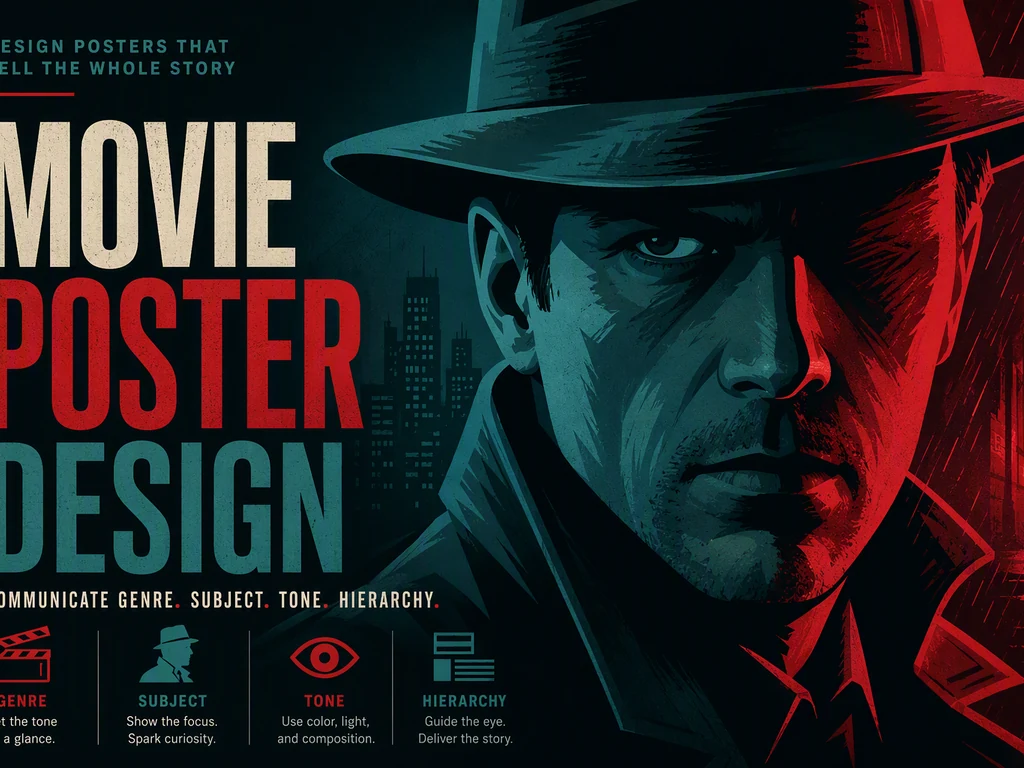
Movie Poster Design by Genre and Story Promise
Choose what the audience should understand first: character, conflict, world, relationship, or mystery. Genre cues can set expectations, but familiar color and composition should not replace the film's distinctive idea. Compare the six references for focal subject, emotional tone, title space, billing area, image depth, contrast, and whether the concept remains recognizable at thumbnail size.
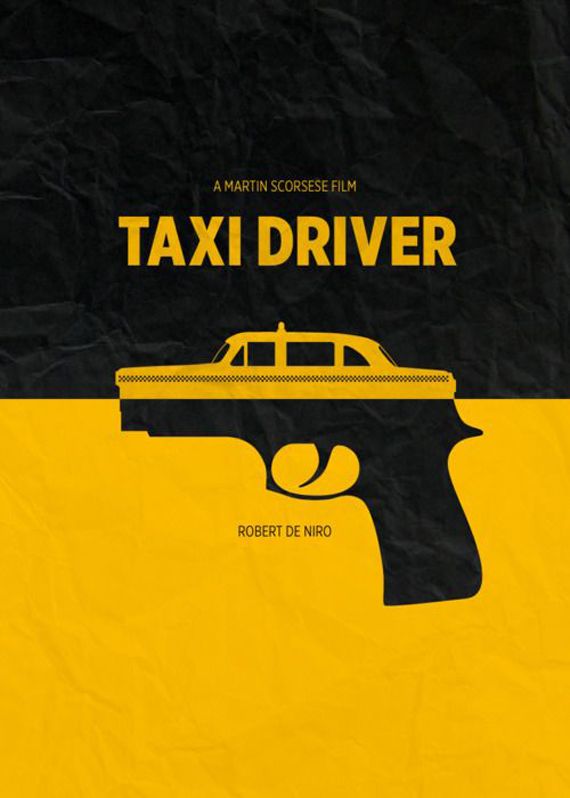
Combine Story Focus, Image Treatment, and Title Hierarchy
Use one reference for the central story promise, another for image treatment, and another for typography or palette. Keep one hero element and avoid adding every character or scene. The generated concept should be treated as an exploratory composition; final titles, credits, likenesses, ratings, logos, image rights, and delivery specifications require controlled production.
How to Shape a Movie Poster around Genre and Story
Use light, color, scale, image treatment, and type to signal genre while preserving a distinct film identity. Avoid reproducing a recognizable franchise composition, actor likeness without rights, copyrighted title treatment, or another poster's key art. Test originality at both full size and thumbnail.
Plan for title, tagline, credits, release details, ratings, and required marks without trusting generated text. Rebuild typography and proof all names separately. Adapt crops and hierarchy for theatrical, streaming, mobile, and social formats with the correct rights and delivery specifications.
Frequently Asked Questions
What should a movie poster communicate?
It should communicate genre, tone, central subject, and a reason to pay attention without explaining the entire plot. The title and focal image need a clear relationship. Cast, release, and credit information support the message but should not make the primary story promise difficult to understand.
How do movie posters show genre?
They use lighting, color, composition, scale, image treatment, typography, and familiar narrative cues. Genre recognition helps set expectations, but the concept still needs a distinctive subject or visual idea. Copying a recognizable franchise layout can weaken originality and create rights concerns.
Should every main character appear on a movie poster?
No. Feature only the characters needed for the chosen story promise. A single portrait, symbolic object, or environment may communicate more clearly than a crowded ensemble. When several characters matter, establish scale and placement according to narrative importance rather than giving every face equal emphasis.
Can I combine portrait and symbolic movie-poster references?
Yes. Let one image carry the primary subject and use symbolism as a secondary layer or negative-space device. Maintain one focal hierarchy and consistent genre tone. Avoid adding symbols that require explanation or effects that make the title and subject unreadable at thumbnail size.
Can the generated movie poster use real actors and official credits?
Not without appropriate rights and verified production data. Treat generated faces, titles, billing, ratings, logos, and credits as placeholders or unreliable content. Obtain permissions, rebuild and proof typography, verify likeness and image rights, and prepare every required format to the distributor's legal and technical specifications.