


Keep the door, threshold, drain, and route to the guardrail or service points accessible. Measure furniture in use, including chairs pulled out and cushions in place. This reveals whether a folding table, single chair, compact bench, or rail ledge best supports the available footprint.
Small Balcony Ideas for Seating, Plants, and Clear Access
Explore small balcony ideas for compact outdoor spaces where furniture depth and door access matter. Compare folding bistro sets, corner benches, vertical gardens, lounge chairs, textiles, and rail-side ledges by the floor area they preserve. Select references that match the balcony shape and main use, then generate a coordinated direction in PromeAI.
Explore Small Balcony Ideas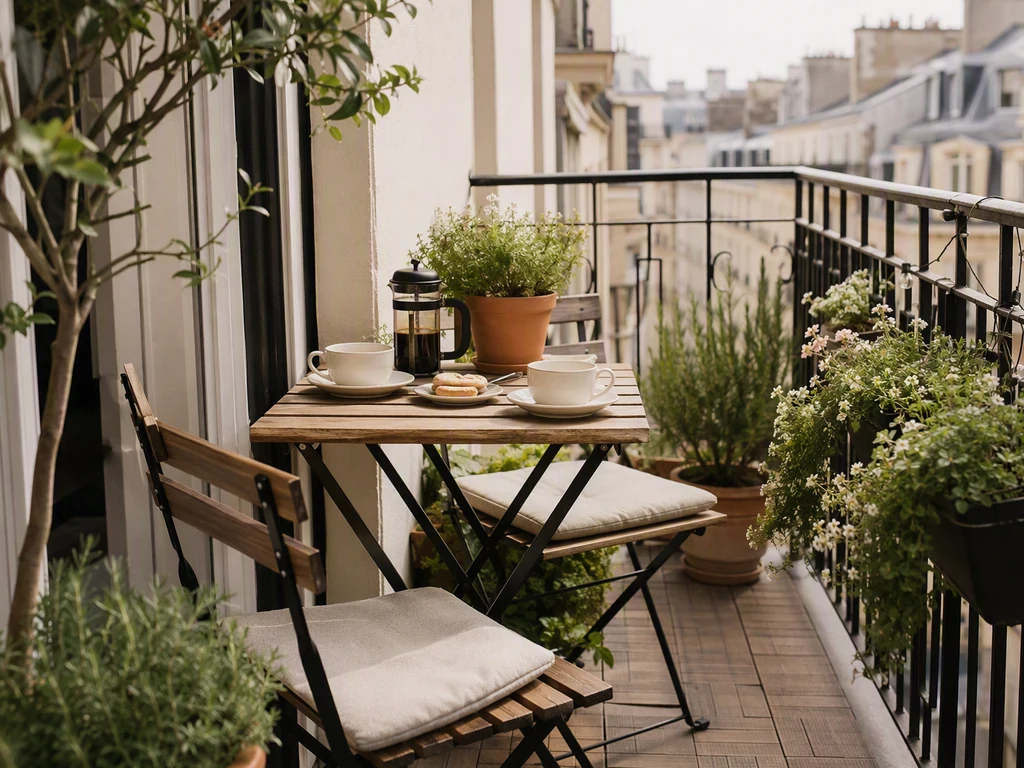
Small Balcony Ideas by Footprint and Main Use
Measure the clear depth from the door to the guardrail and include the door swing before choosing furniture. Folding tables and rail ledges preserve flexibility, while built-in benches use corners but cannot move when access is needed. Compare the six references for occupied seating space, storage, plant placement, drainage, wind, and whether one person can move comfortably when everything is in use.
Combine Flexible Furniture with Vertical Detail
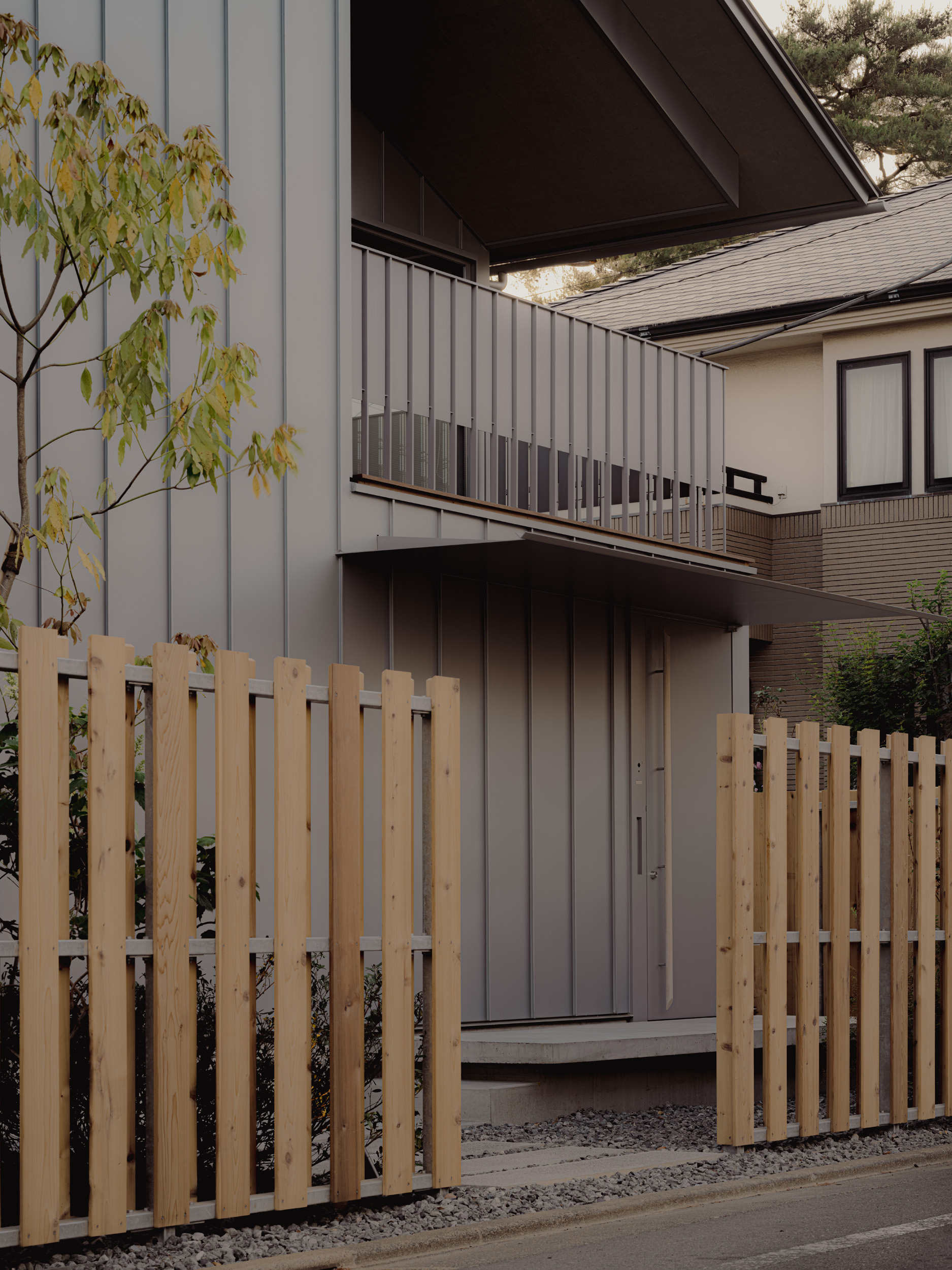
Use one reference for the layout and another for planting, color, or lighting. Avoid combining several floor-standing planters, a deep bench, and lounge furniture in the same small footprint. Wall or rail elements can free the floor, but they require safe fixing and must not compromise guardrails, drainage, or building rules.
How to Plan a Small Balcony without Crowding It
Use folding, stacking, nesting, or storage furniture when the balcony must support more than one activity. One comfortable seat and a movable surface may be more useful than a compressed full set. Avoid items that are easy to fold but have nowhere safe to store.
Vertical planters, wall lights, and rail boxes can preserve floor space, but weight, wind, watering, and fixing still matter. Keep plants suited to the actual sun and exposure. Use outdoor-rated, low-glare lighting and avoid loose decorative items that can become unstable in wind.
Frequently Asked Questions
How do I arrange furniture on a very small balcony?
Keep the route from the door clear and place furniture along the least disruptive edge. Choose one primary seat or a folding bistro set, then add a small movable surface. Measure every piece in use, not folded or pushed in, and avoid filling both long sides of a narrow balcony.
What seating works best on a small balcony?
A folding chair, compact lounge chair, storage bench, or corner seat can work depending on depth and use. The best choice leaves room for feet, door movement, and safe circulation. Test comfort and weather resistance; visually light furniture is not useful if it is unstable or unpleasant to sit in.
How can I add plants without losing floor space?
Use wall-mounted planters, rail boxes, shelves, or one tall narrow container, subject to safe fixing and building rules. Group plants by sun and watering needs. Avoid overloading the rail or blocking drainage, and ensure water cannot damage neighbors, walls, or the walking surface.
Can a small balcony have both storage and seating?
Yes. A weather-resistant bench with storage or a narrow cabinet can combine functions, but stored items must tolerate temperature and moisture. Keep lids and doors accessible when seated furniture is in place. Do not use storage that blocks drains, ventilation, guardrails, or the door route.
How can I make the generated small balcony idea fit?
Select references with a similar depth, door position, guardrail, and main activity. If the result looks crowded, remove a furniture or planter reference rather than shrinking every item unrealistically. Confirm dimensions, occupied clearances, wind, drainage, structural loads, fixings, and building policies before implementation.