


Record the object's size, shape, seams, folds, and how closely it will be viewed. Decide whether the pattern should read as texture from afar or reveal individual motifs up close. This determines useful motif scale before color or decorative detail is refined.
Surface Pattern Design That Adapts across Different Surfaces
Explore surface pattern design across packaging, textiles, wall coverings, stationery, ceramics, and accessories. Compare motif, scale, density, color, and material context rather than treating one pattern as universal. Select references that share a clear visual language, then generate a coordinated applied-pattern direction in PromeAI.
Explore Surface Pattern Design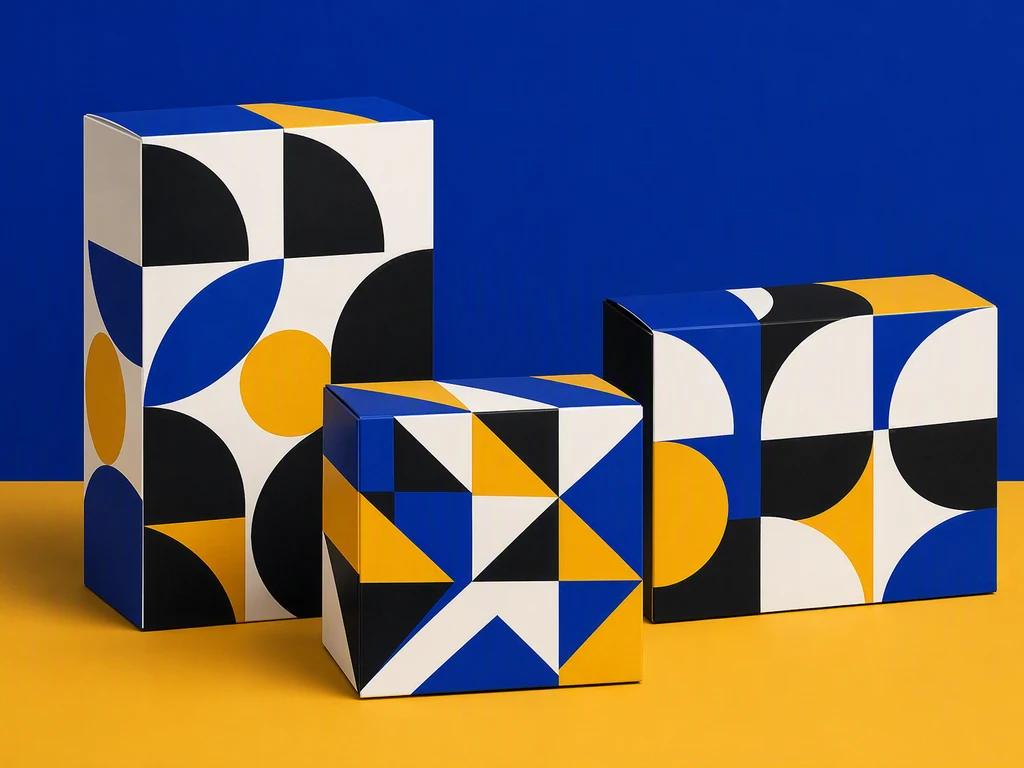
Surface Pattern Design by Object, Scale, and Viewing Distance
A motif that reads on stationery may disappear on a large wall or become overwhelming on a small accessory. Surface shape, seams, folds, texture, and viewing distance all change the result. Compare the six references for motif scale, directional flow, placement, color count, material contrast, edge conditions, and whether the design needs an all-over field or a more controlled composition.
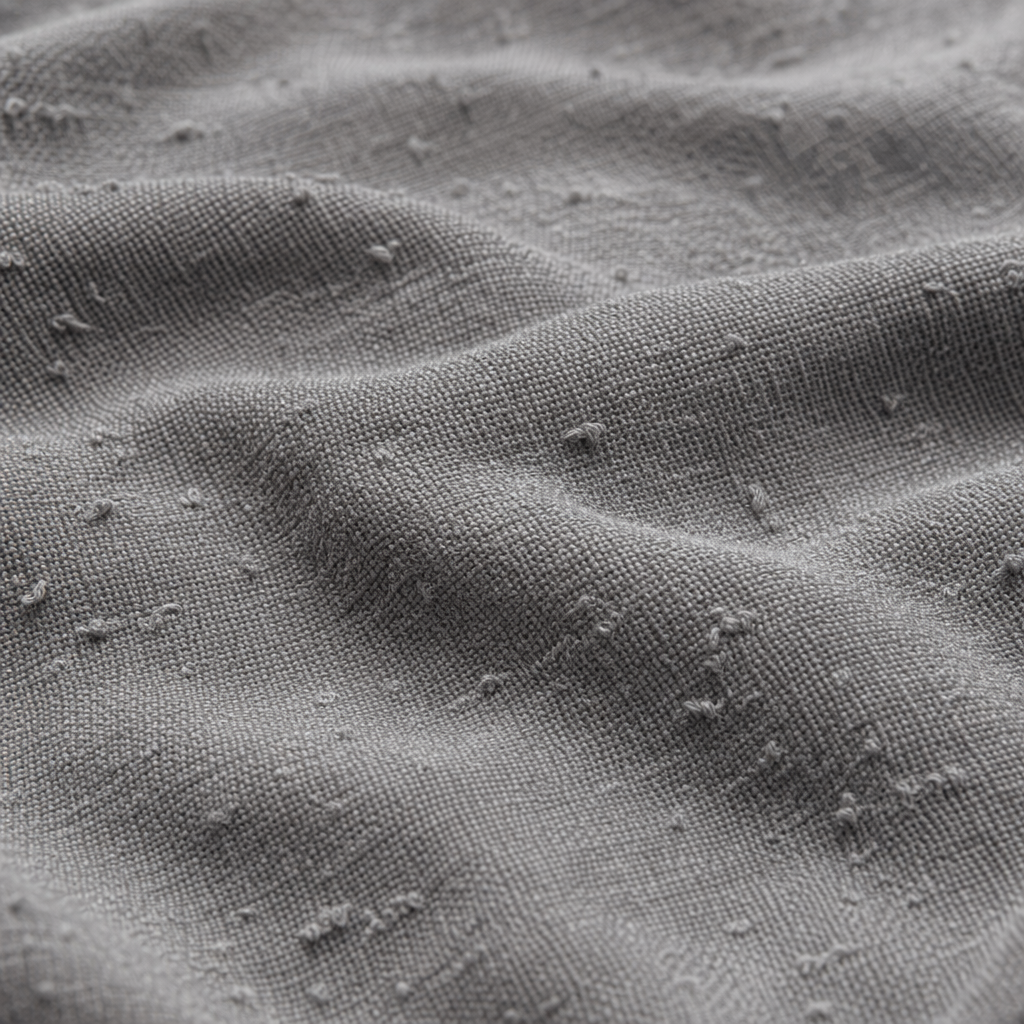
Combine a Pattern Direction with Its Surface Context
Use one reference for motif language and another for application scale, palette, or material feel. Keep the surface purpose visible: packaging must leave space for information, fabric changes across folds, and ceramics interrupt patterns at curves and edges. The generated direction can compare relationships, but production files and repeat engineering remain separate tasks.
How to Adapt a Pattern Direction across Different Surfaces
Consider whether the motif must flow around a package, align along fabric grain, avoid a label area, or respond to a ceramic edge. Directional patterns require deliberate orientation, while scattered motifs may tolerate more rotation. Test the design on a realistic mockup rather than only as a flat square.
Surface texture, ink, weave, glaze, and finishing can reduce detail or shift color. Simplify fragile lines and confirm repeat, bleed, registration, resolution, and color requirements with the intended process. Visual exploration should define the direction without implying those technical properties are already solved.
Frequently Asked Questions
What is surface pattern design used for?
It is used to organize motifs, color, and rhythm across products and materials such as textiles, wallpaper, packaging, stationery, ceramics, and accessories. The same visual direction may need different scale, placement, color, and repeat treatment for each surface, so application context is part of the design task.
How do I choose the right pattern scale for a product?
Consider the product dimensions, viewing distance, curves, folds, seams, and how much of the surface is visible at once. Test the motif at actual size on a mockup. A pattern that looks balanced on screen may become too dense, too sparse, or unreadable when applied to a real object.
Can one surface pattern work on fabric and packaging?
Yes, as a shared visual direction, but each application usually needs adaptation. Fabric introduces drape, grain, and seams, while packaging requires panels, folds, labels, and information hierarchy. Adjust scale, placement, color, and repeat rather than applying the same flat artwork unchanged to both.
Can I combine motifs from several surface-pattern references?
Yes. Give one reference control of the motif family and use others for palette, scale, or material context. Maintain a shared stroke, geometry, or spacing rule. Combining several unrelated motif languages can make the pattern difficult to recognize and harder to adapt consistently across products.
Is the generated surface pattern ready for manufacturing?
No. It is a visual concept, not a verified repeat tile or production file. Confirm repeat boundaries, scale, resolution, color mode, separations, bleed, registration, material behavior, image rights, sampling, and supplier specifications for the chosen process before printing, weaving, coating, or manufacturing any surface.