


List every required detail and separate what belongs on the main invitation from response, travel, accommodation, or website information. Put the couple, event, date, time, and place in an unmistakable reading order. Test the smallest text at the intended physical size rather than on a zoomed screen.
Wedding Invitation Ideas That Set the Tone Clearly
Explore wedding invitation ideas that connect the celebration style with a clear information hierarchy. Compare minimal, botanical, editorial, coastal, formal, and colorful concepts by typography, motif, palette, and wording space. Select references that suit the venue and formality, then generate a coordinated invitation direction in PromeAI.
Explore Wedding Invitation Ideas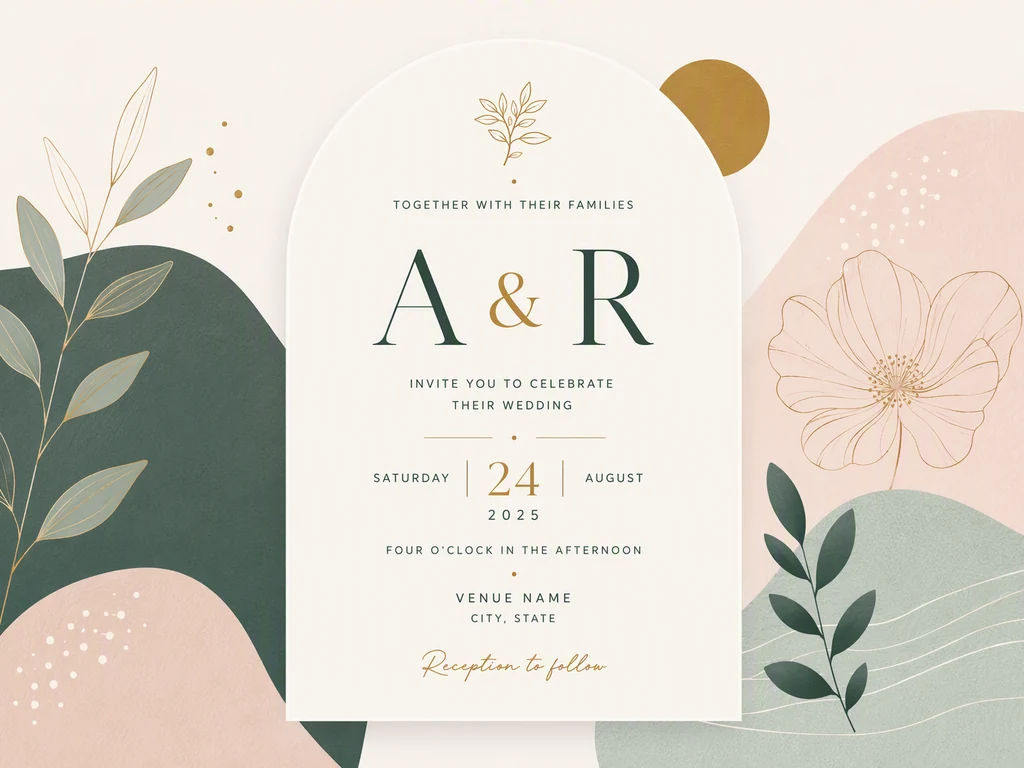
Wedding Invitation Ideas by Formality and Visual Tone
Decide what the invitation must communicate before choosing decoration. Names, date, time, venue, hosting language, dress guidance, and response details need a readable order across the chosen format. Compare the six references for hierarchy, type size, contrast, motif density, color, image use, and how the concept could extend to related cards without repeating every element.
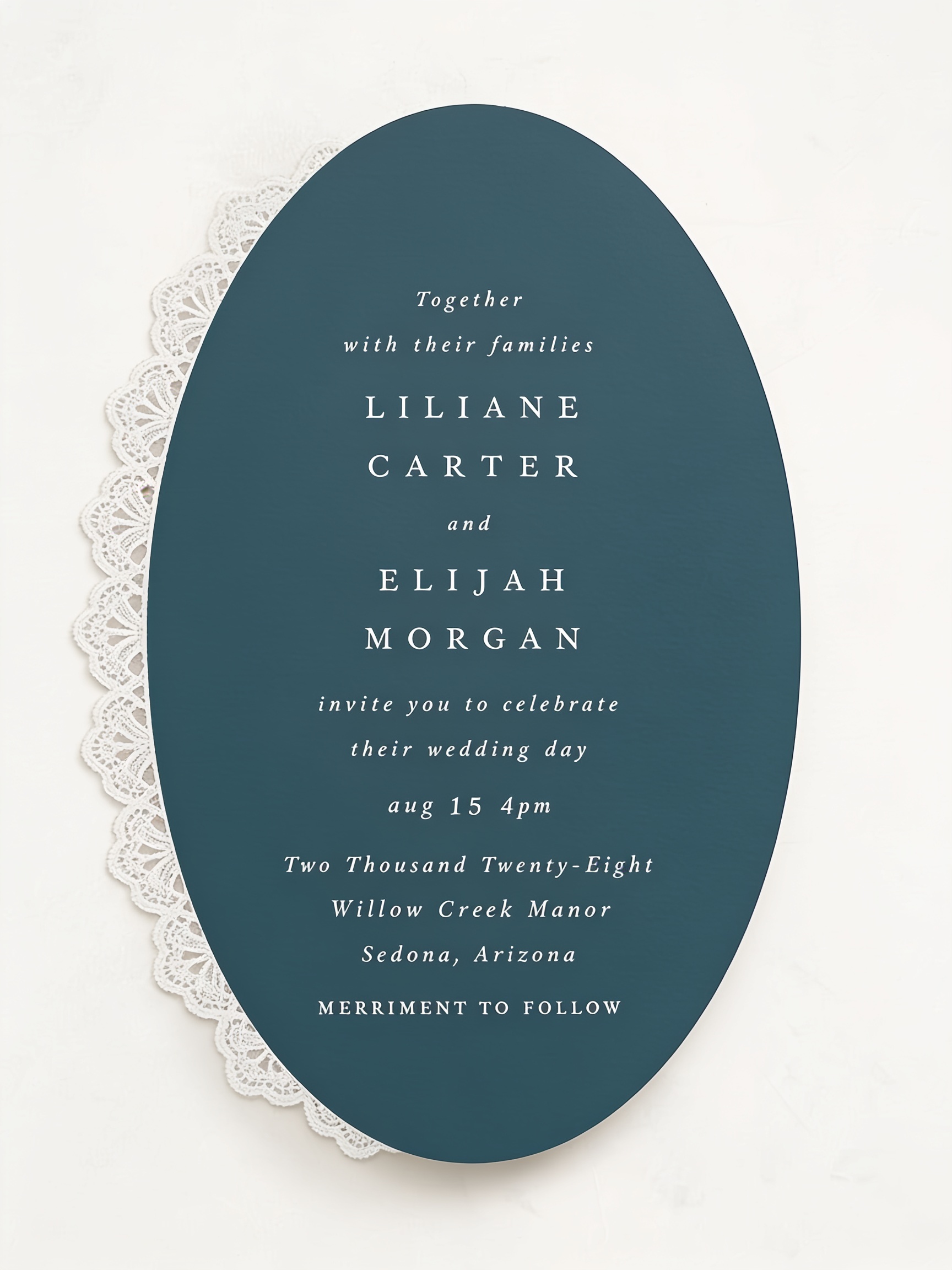
Combine Typography, Motif, and Palette into One Suite
Use one reference for layout and hierarchy, another for motif, and another for color or atmosphere. Keep essential information more prominent than decorative words and limit type styles so the suite remains readable. The generated result is an editable concept direction; final wording, names, dates, print setup, materials, and delivery details require careful proofing and production work.
How to Turn Wedding Invitation Ideas into a Cohesive Concept
Use venue, season, formality, and cultural context to guide typography, motif, color, and material. A formal invitation can still be modern, and a colorful invitation can remain clear. Avoid decoration that contradicts the guest experience or leaves too little space for essential wording.
Check names, spelling, date, day, time zone, addresses, response deadline, URLs, and contact details across every card and digital version. Review hierarchy, contrast, bleed, margins, paper, envelopes, postage, and accessibility with the relevant printer or platform before distribution.
Frequently Asked Questions
What information should be on a wedding invitation?
Include the couple or hosts, the event, date, time, and venue, with clear response instructions. Dress guidance, website, travel, accommodation, and additional events may belong on separate cards or online. The exact wording depends on formality, culture, hosting arrangements, and what guests need to act correctly.
How do I choose a wedding invitation style?
Use the venue, season, formality, palette, and guest experience as filters. Then compare typography, motif, paper feel, and how much wording the layout must hold. Choose a style that can remain readable and extend across response cards or digital details rather than matching one decorative image only.
When should wedding invitations be sent?
Timing varies by location, travel needs, culture, event format, and whether save-the-dates were used. Destination events generally need more notice than local celebrations. Confirm a schedule with the venue or planner and allow time for design, proofing, printing, delivery, guest responses, and follow-up.
Can I combine several wedding invitation references?
Yes. Use one reference for hierarchy, another for motif, and another for palette or material. Keep the level of formality and typography compatible, and avoid combining several decorative borders or display fonts. The result should make the event details easier to understand, not merely look more elaborate.
Is the generated wedding invitation ready to print and send?
No. It is a visual concept and may not reproduce names, dates, addresses, or small text accurately. Rebuild and proof all wording, verify image and font rights, and confirm size, bleed, margins, color, resolution, paper, envelopes, postage, accessibility, and printer specifications before sending anything to guests.