


Use real venue architecture, landscape, season, and likely light as the starting point. Note indoor and outdoor transitions, weather plans, and any cultural or ceremonial requirements. This prevents the visual direction from depending on a setting the event does not have.
Wedding Mood Board That Aligns Venue, Color, and Detail
Explore wedding mood board directions that align venue, palette, florals, stationery, attire, table details, and lighting. Compare garden, monochrome, coastal, autumnal, colorful, and city concepts by the atmosphere they sustain. Select references that fit the season and setting, then generate a coordinated wedding direction in PromeAI.
Explore Wedding Mood Board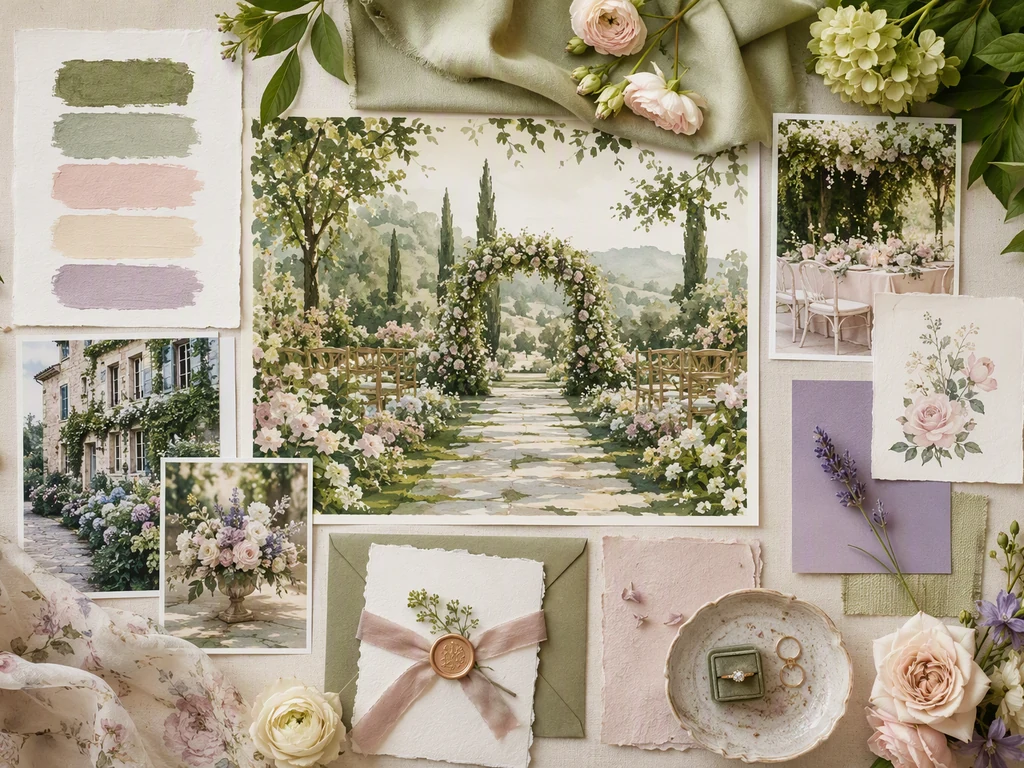
Wedding Mood Boards by Venue, Season, and Formality
Begin with the venue, date, guest experience, and level of formality because they affect every visual choice. A palette should work across daylight, evening light, flowers, paper, textiles, and attire rather than only in a digital collage. Compare the six references for color balance, material, floral density, lighting, weather, cultural context, and whether the direction is practical at the event scale.
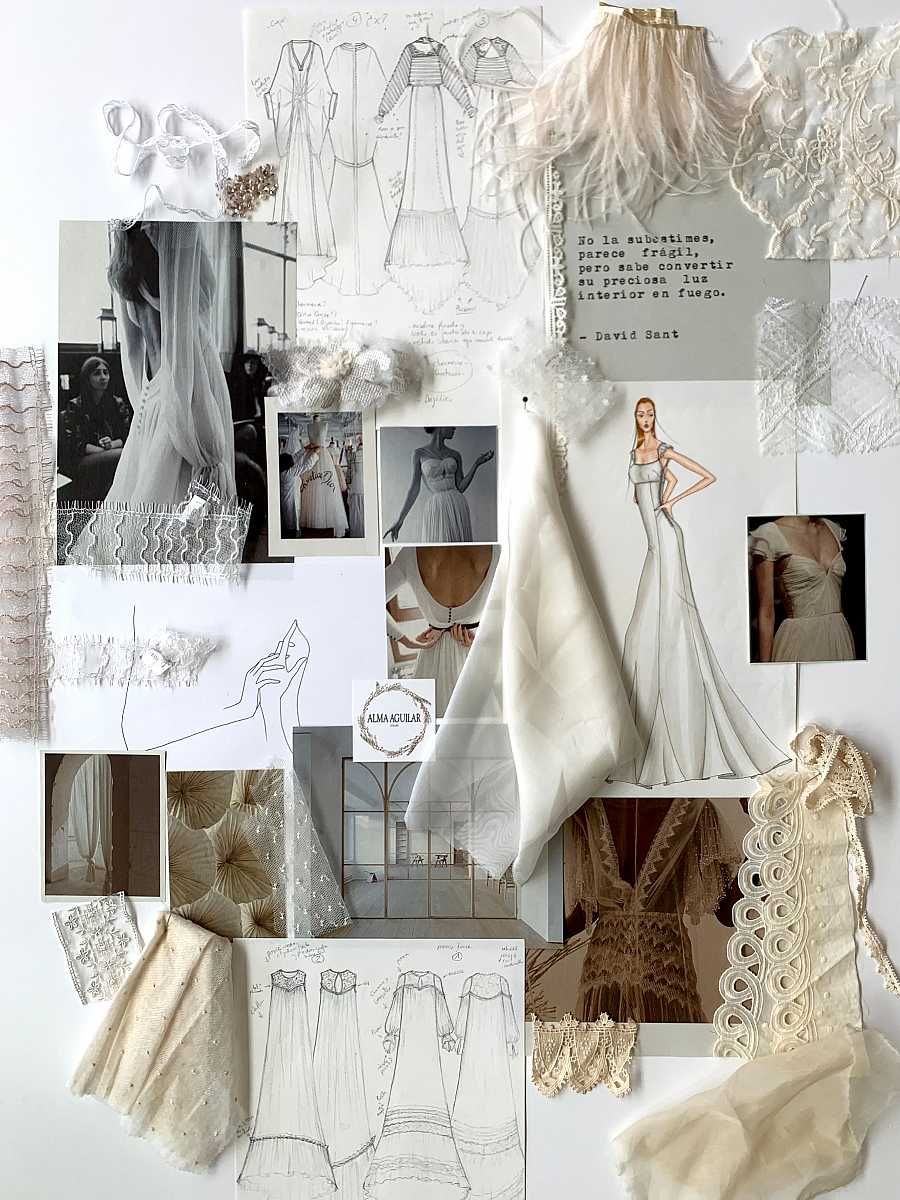
Combine Wedding References into One Guest Experience
Use one board to set the dominant atmosphere and others for a floral shape, stationery detail, table material, or accent color. Keep venue and season consistent, and avoid combining several complete themes. The resulting direction should help vendors understand priorities while leaving room for availability, budget, tradition, and site constraints.
How to Build a Wedding Mood Board That Stays Cohesive
Test primary, supporting, and accent colors across flowers, paper, textiles, attire, signage, tableware, and lighting. Not every element needs every color. Repeat the palette selectively and account for natural variation in flowers, printing, fabrics, and rental inventory.
Identify the three or four details that carry the direction most strongly, such as lighting, floral silhouette, stationery, or table texture. Share those priorities with vendors along with practical limits. Verify sources, availability, venue rules, safety, budget, and production specifications separately.
Frequently Asked Questions
What should a wedding mood board include?
Include venue and season, a controlled palette, florals, stationery, attire cues, table details, lighting, and the intended level of formality. Use the board to show relationships and priorities, not every item that may appear. Practical constraints and cultural requirements should be visible when they affect the direction.
How do I choose a wedding color palette?
Start with the venue, season, existing finishes, and the atmosphere you want guests to experience. Choose primary, supporting, and accent colors, then test them across flowers, paper, fabrics, and lighting. Allow for natural material variation and avoid requiring an exact digital color match everywhere.
When should I create a wedding mood board?
Create an initial board after the venue and broad event format are known, before major visual vendors are finalized. Refine it as availability, budget, attire, and logistics become clearer. An early board should guide decisions without locking the event to details that have not been confirmed.
Can I combine several wedding themes?
Yes, but use one atmosphere as the foundation and borrow limited elements from others. Keep venue, season, formality, and guest experience coherent. Combining complete themes often produces conflicting florals, stationery, and decor; combining a palette or material detail is usually easier to control.
Can vendors use a generated wedding mood board as a final specification?
No. It communicates intent but does not confirm flower varieties, products, dimensions, quantities, colors, safety, rights, availability, or venue approval. Convert the direction into vendor-specific briefs, physical samples, budgets, schedules, and confirmed specifications, then obtain the necessary venue and vendor approvals before ordering or installation.