How it works
Start with the image that contains the subject or structure you want to preserve. Add a second image that supplies the visual direction. PromeAI combines the two references into a single result that still reads as one intentional idea.

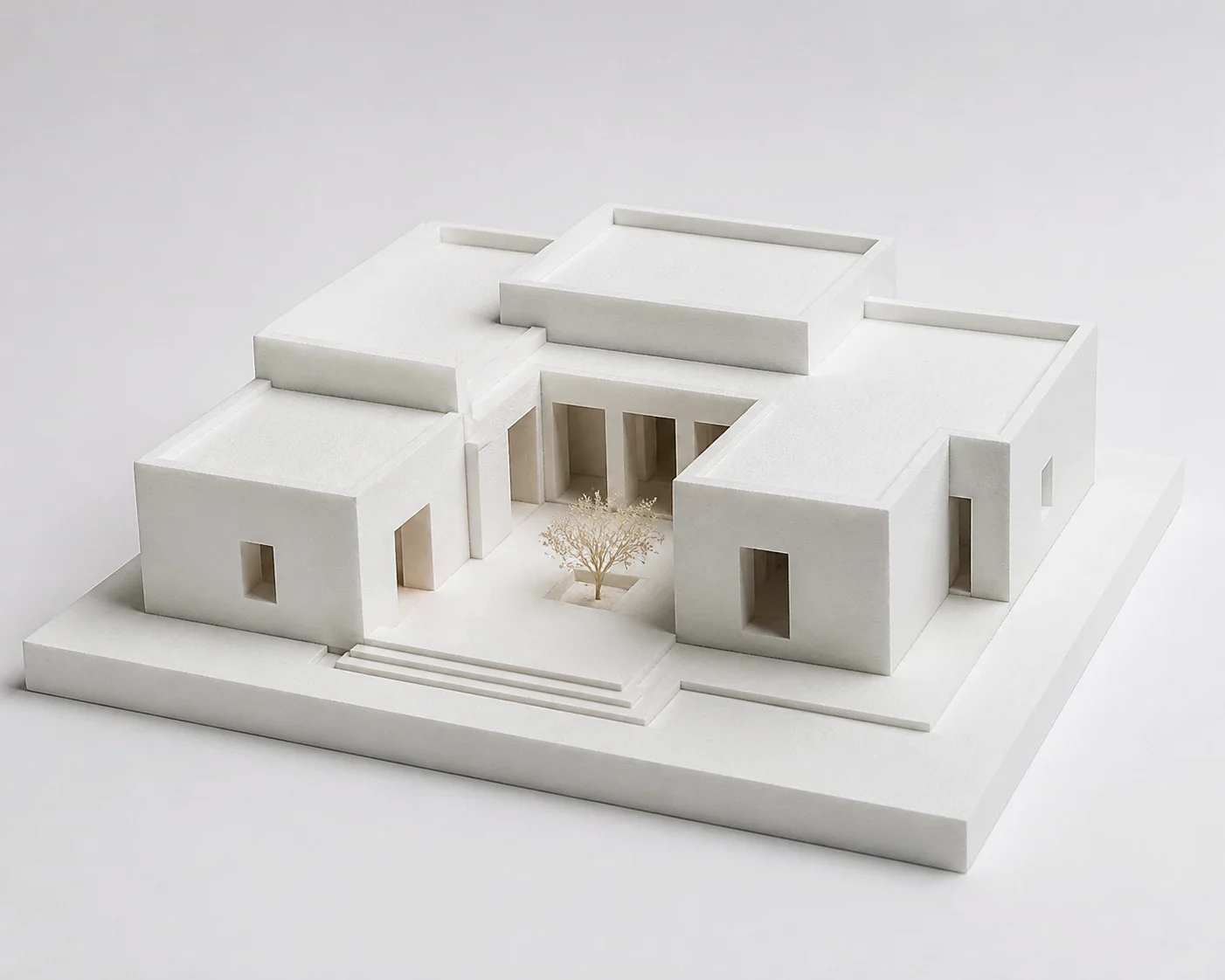
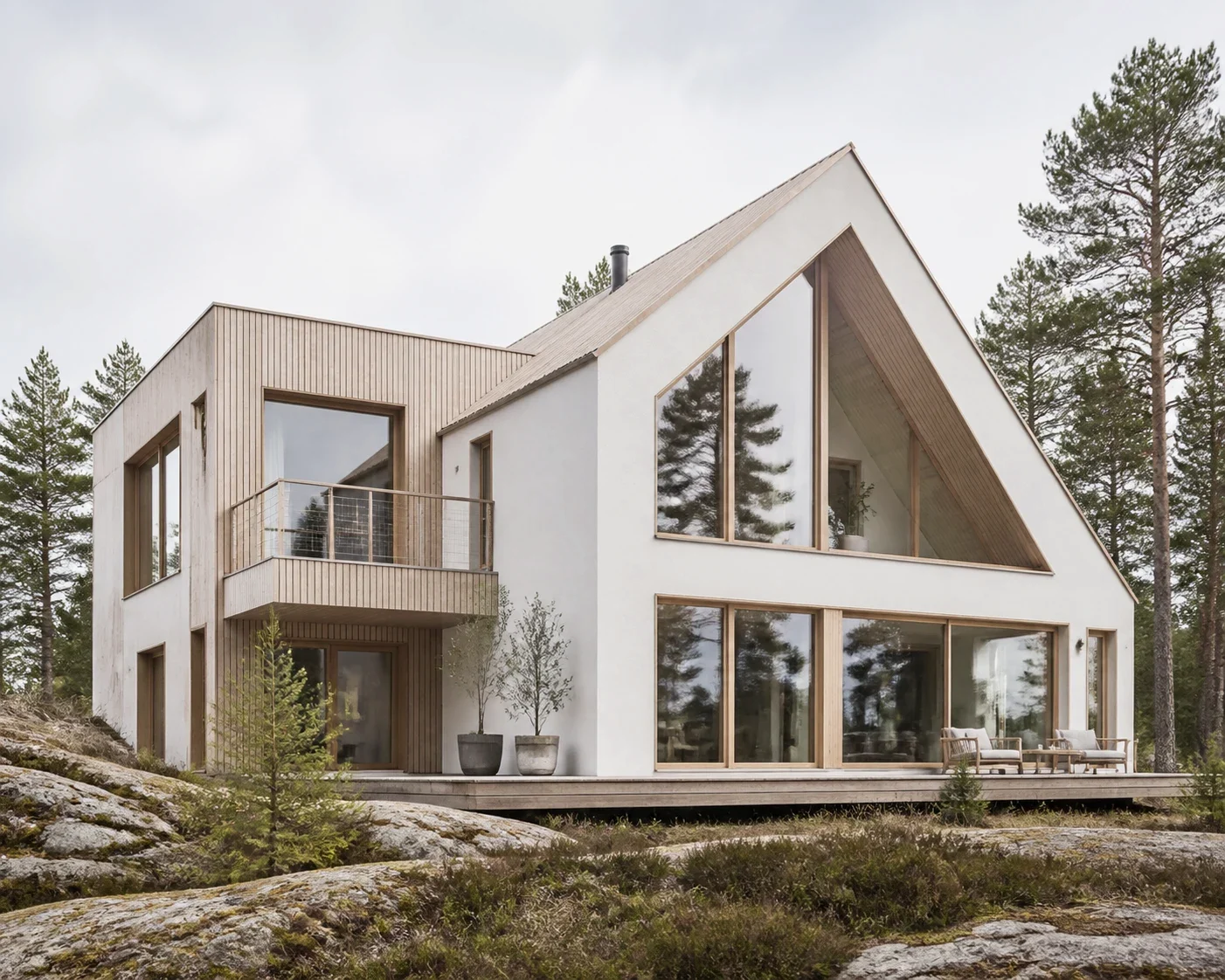
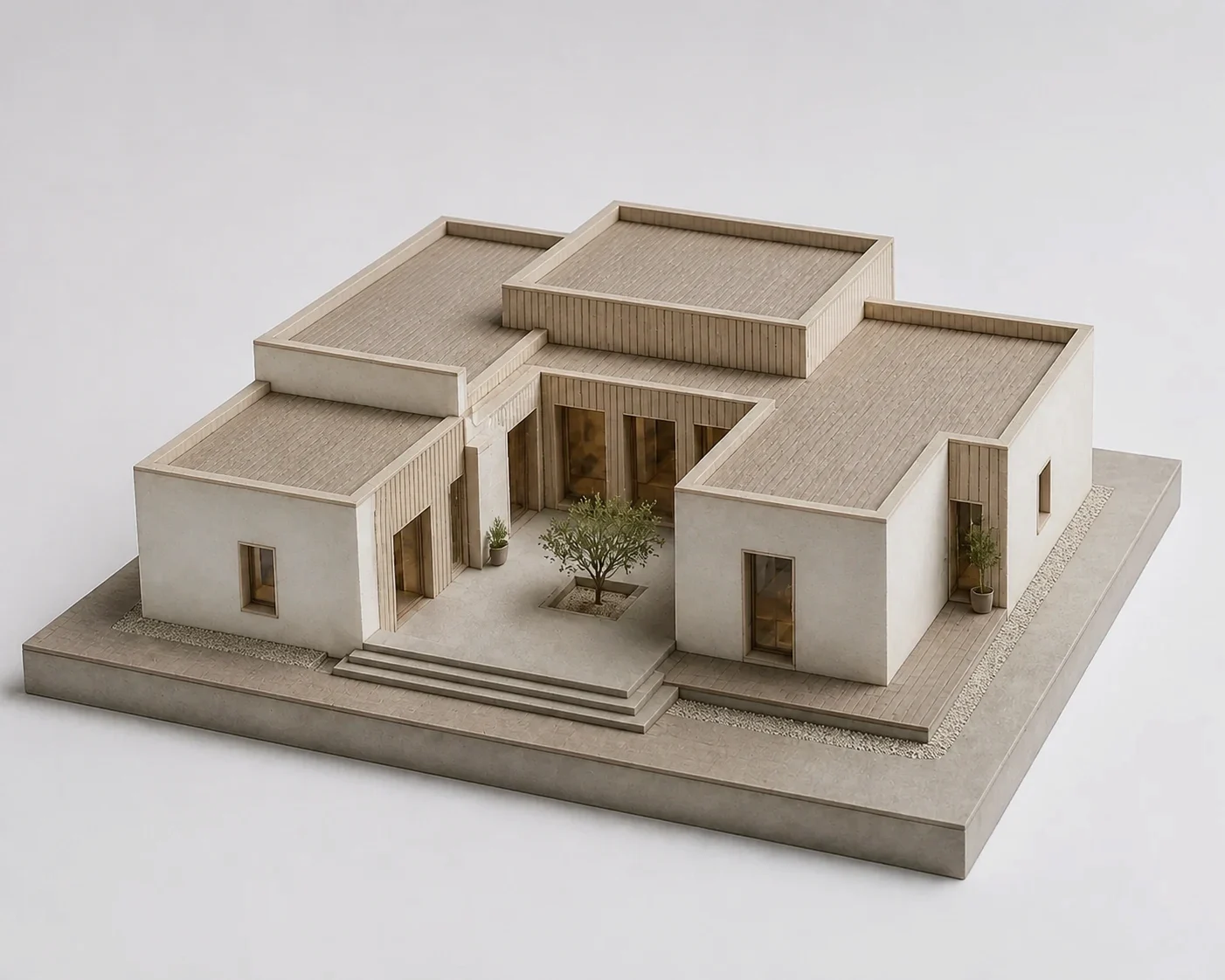
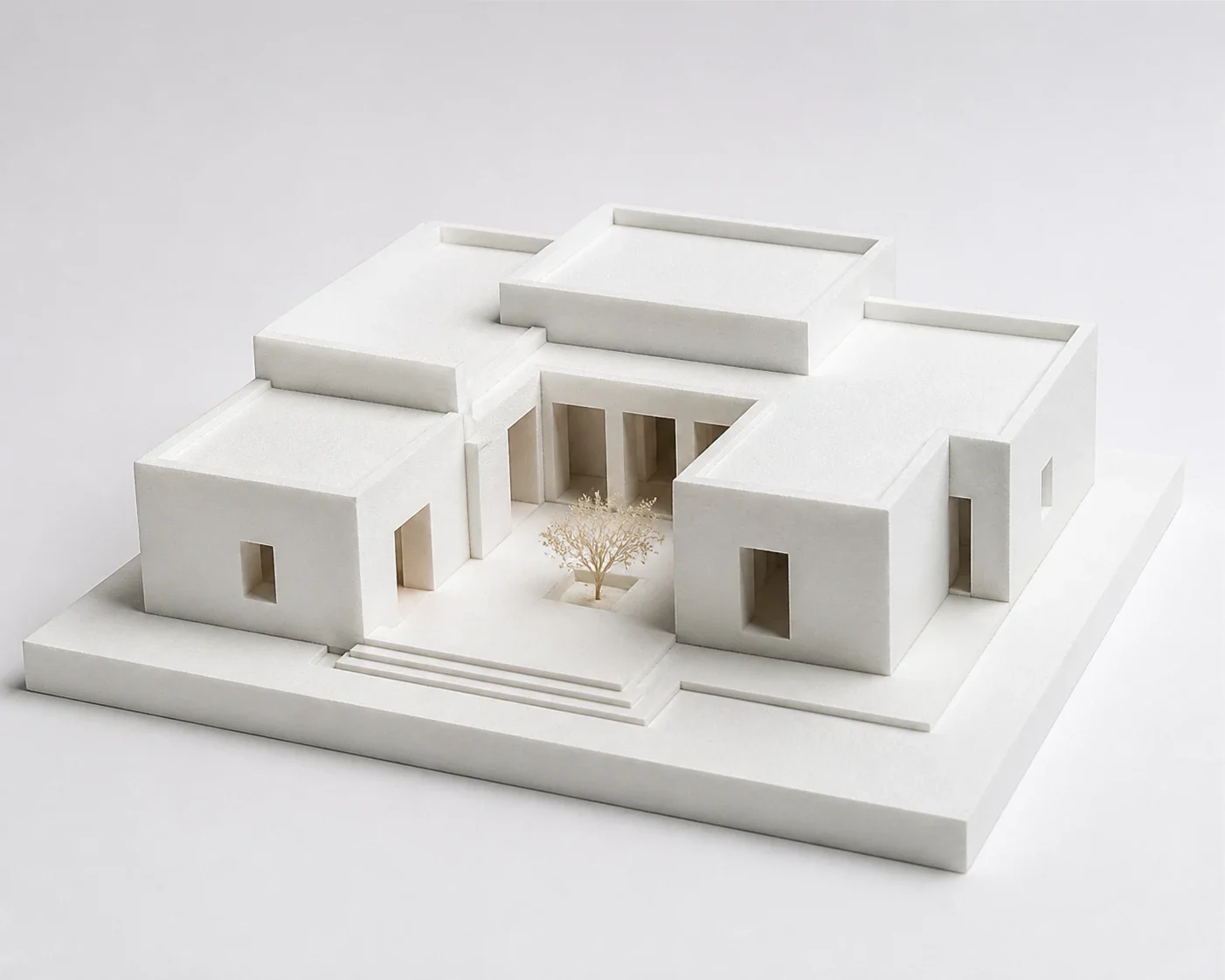
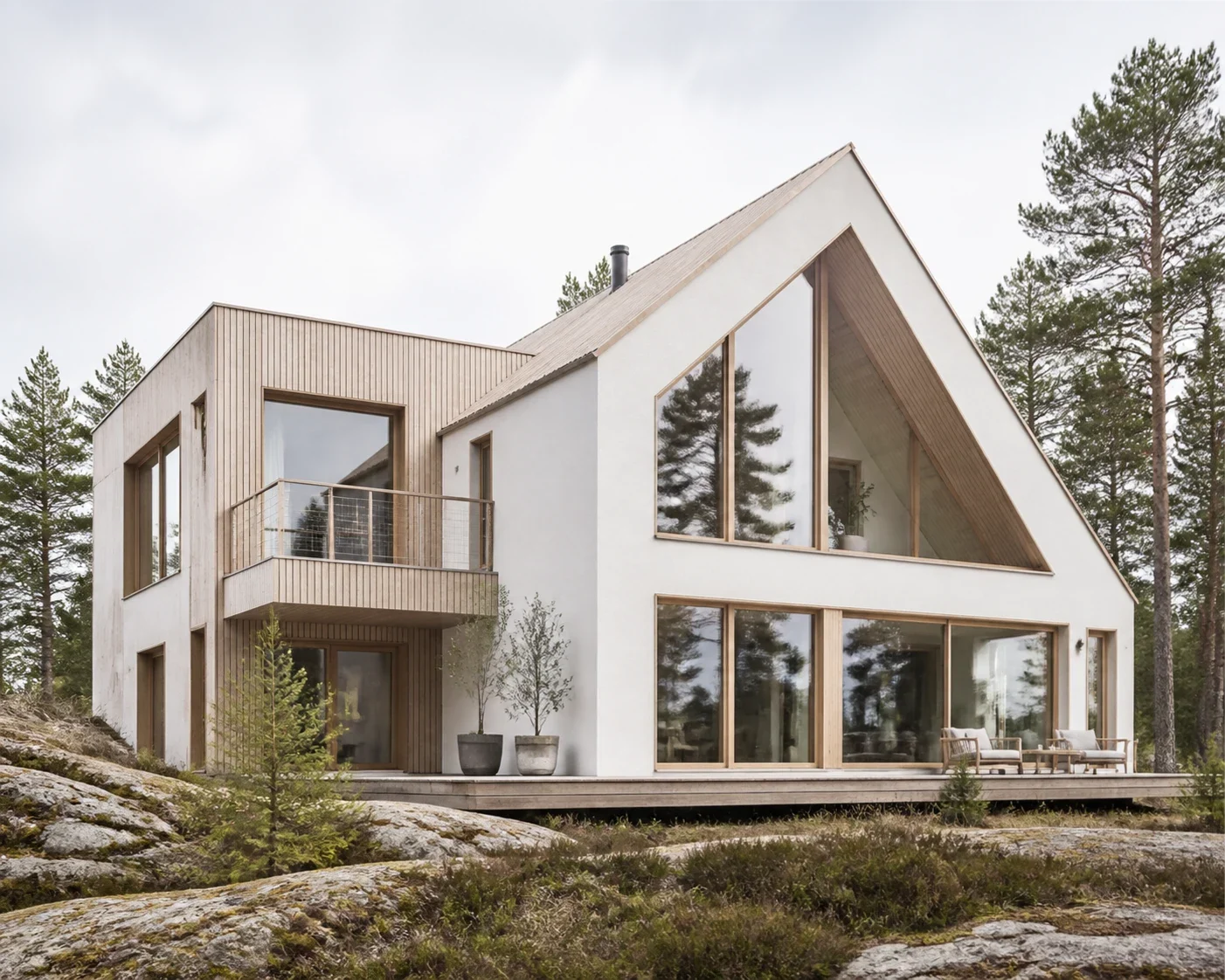
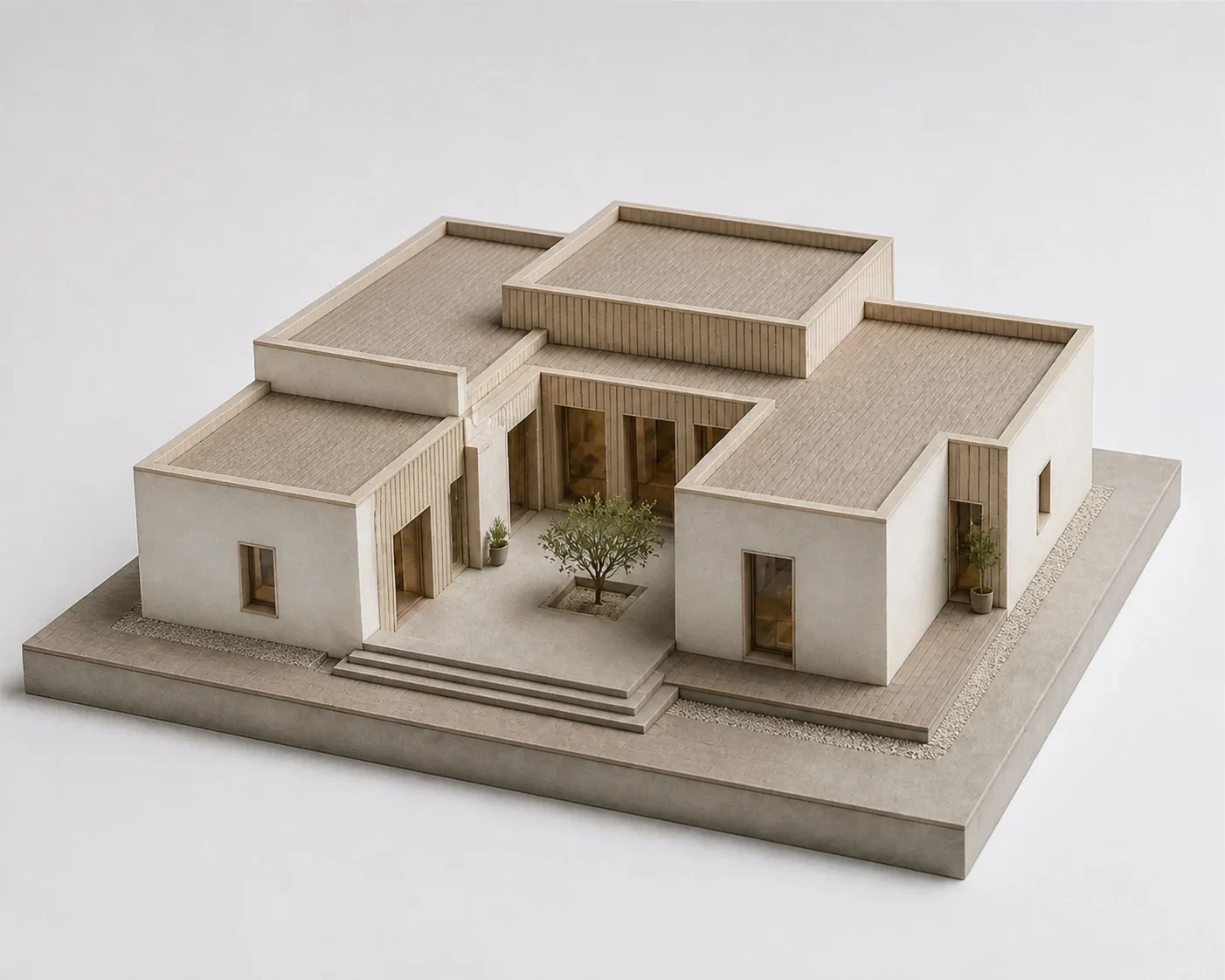
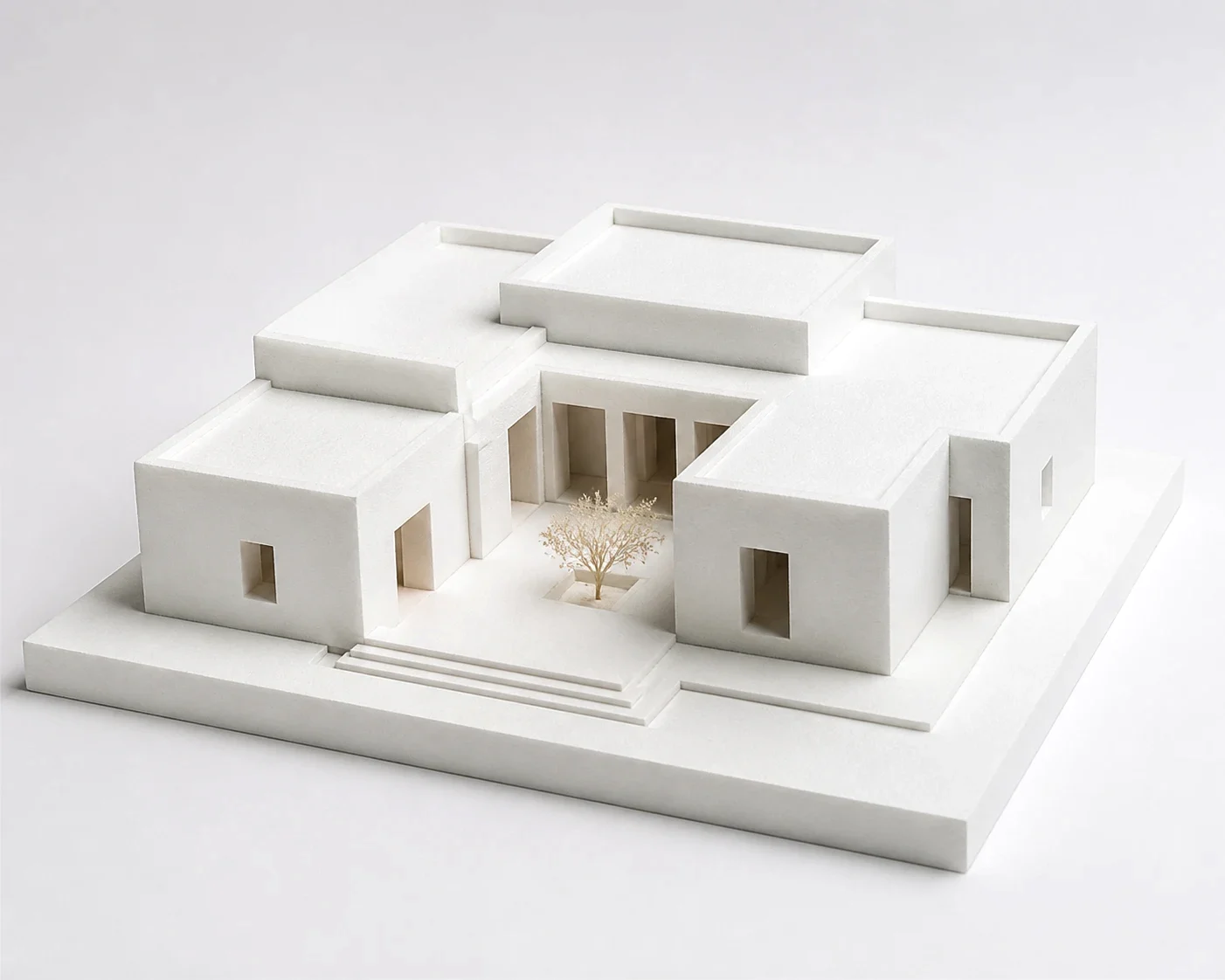
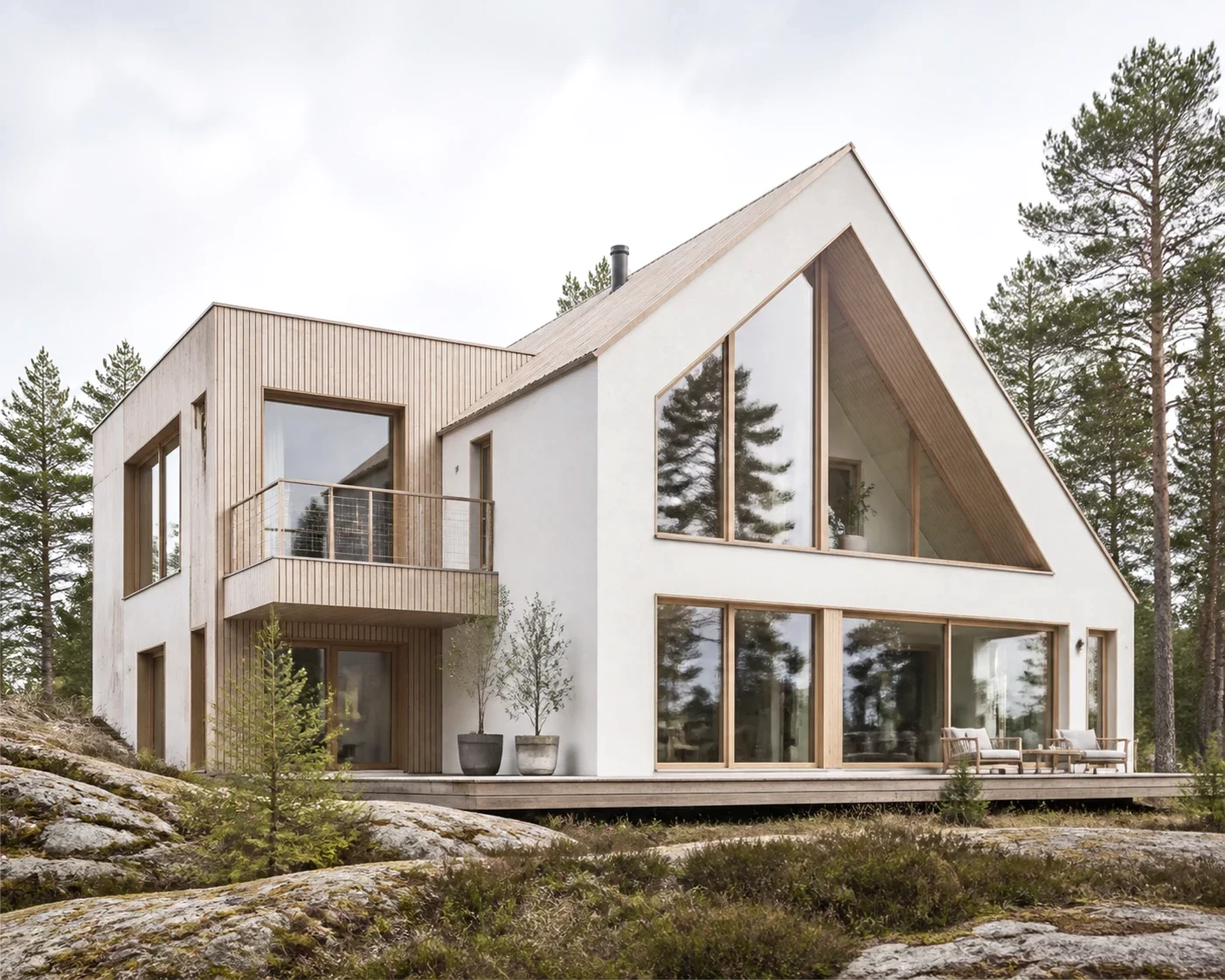
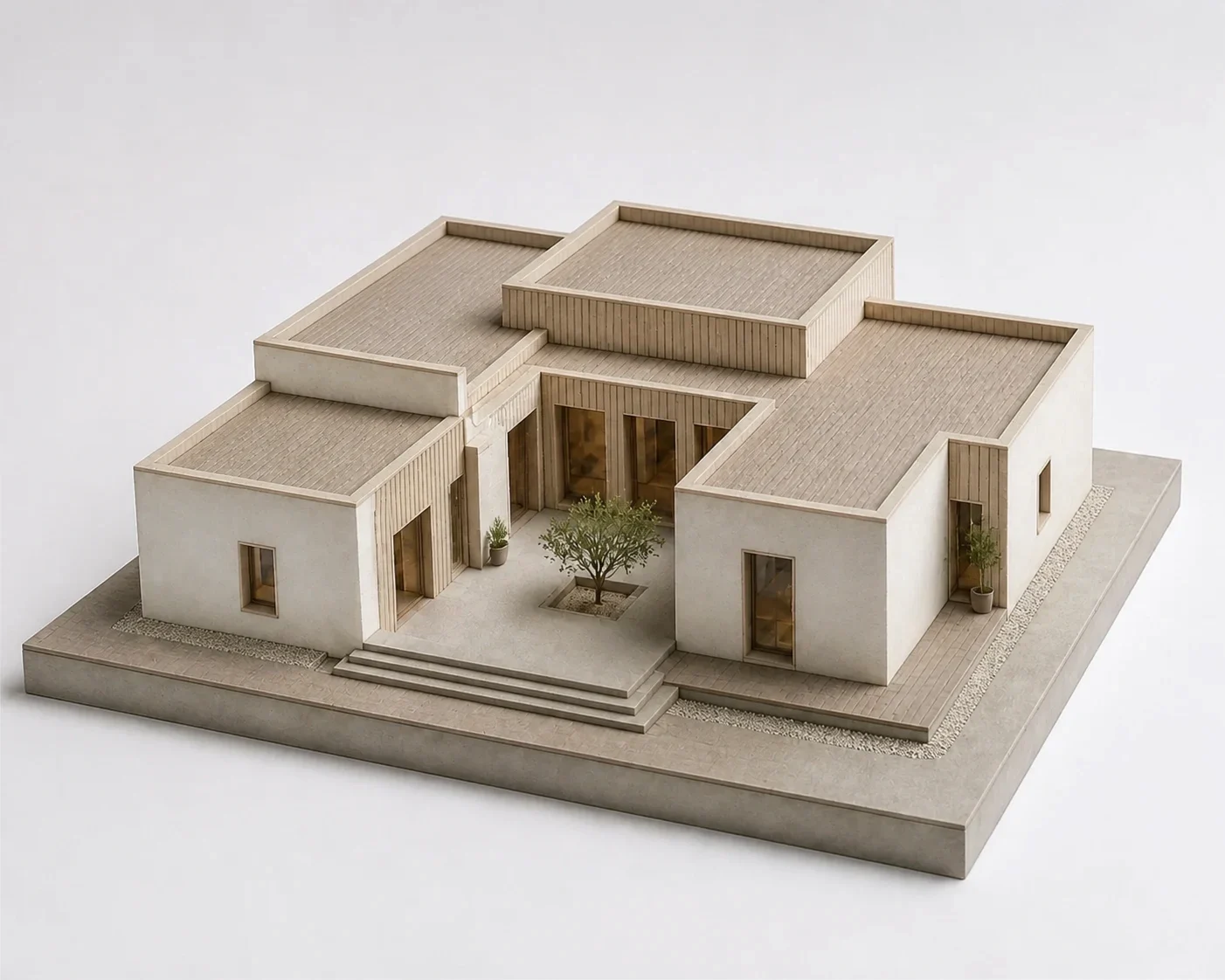
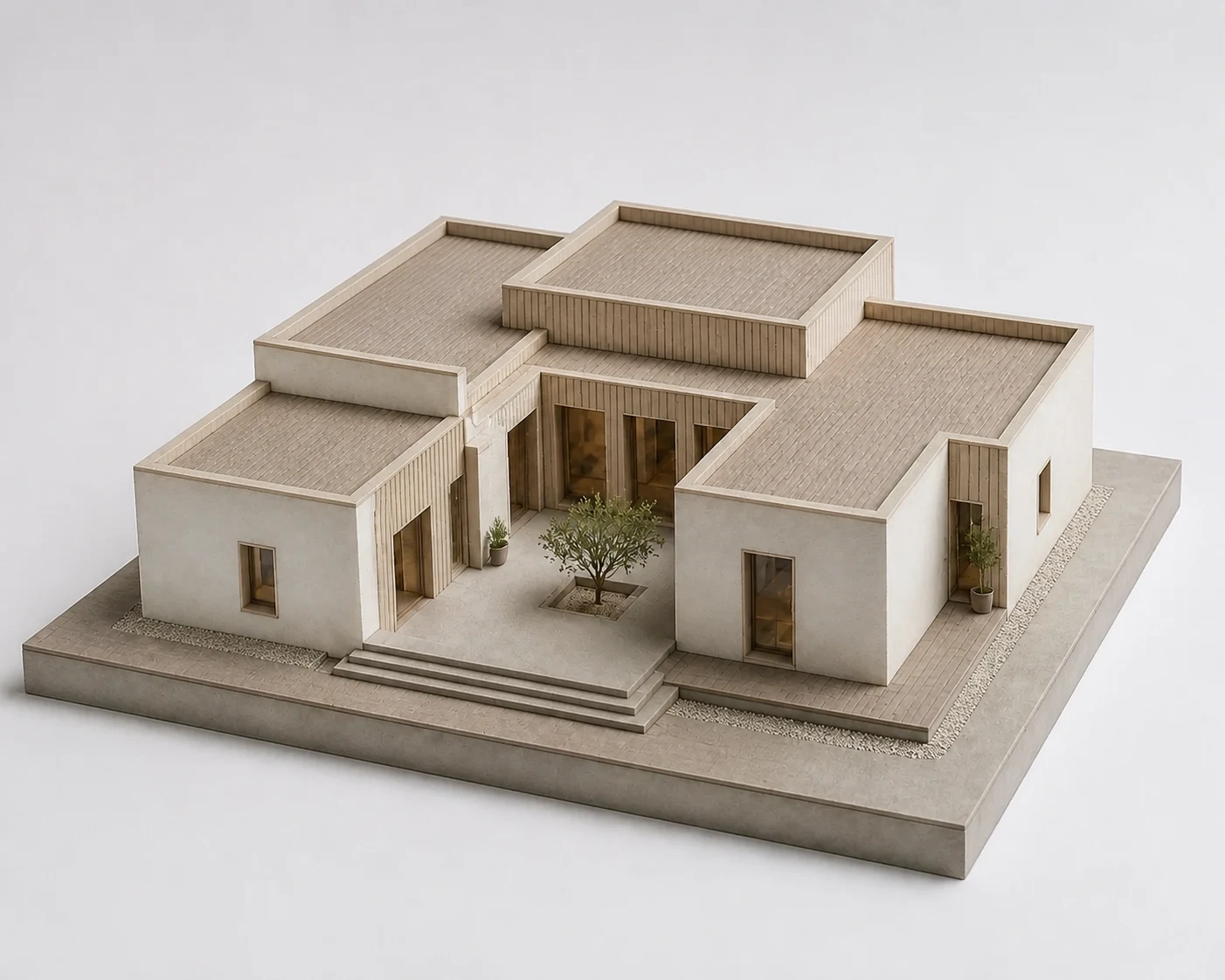
White massing model + architecture reference → a photorealistic building. Turn a massing study into a persuasive building image.
Each example shows the source pair beside its output. This makes the relationship easy to review: image A contributes the core content, while image B contributes the style, material, graphic language, or layout direction.

Start with the image that contains the subject or structure you want to preserve. Add a second image that supplies the visual direction. PromeAI combines the two references into a single result that still reads as one intentional idea.

Choose a reference with a distinct point of view. Scandinavian, Contemporary, Mediterranean give this workflow different outcomes while keeping the original subject, composition, and creative goal visible.

Combining references is faster than describing every design decision in text. It keeps the useful constraints of the model while letting a style reference introduce atmosphere, material, and new possibilities.