Image combiner with AI, without losing the architecture

Start with a physical model, sketch, or architectural photo. Add a reference that carries the material, light, and atmosphere you want to explore, then use PromeAI to create a coherent new direction.

Your new design Choose a combo and generate
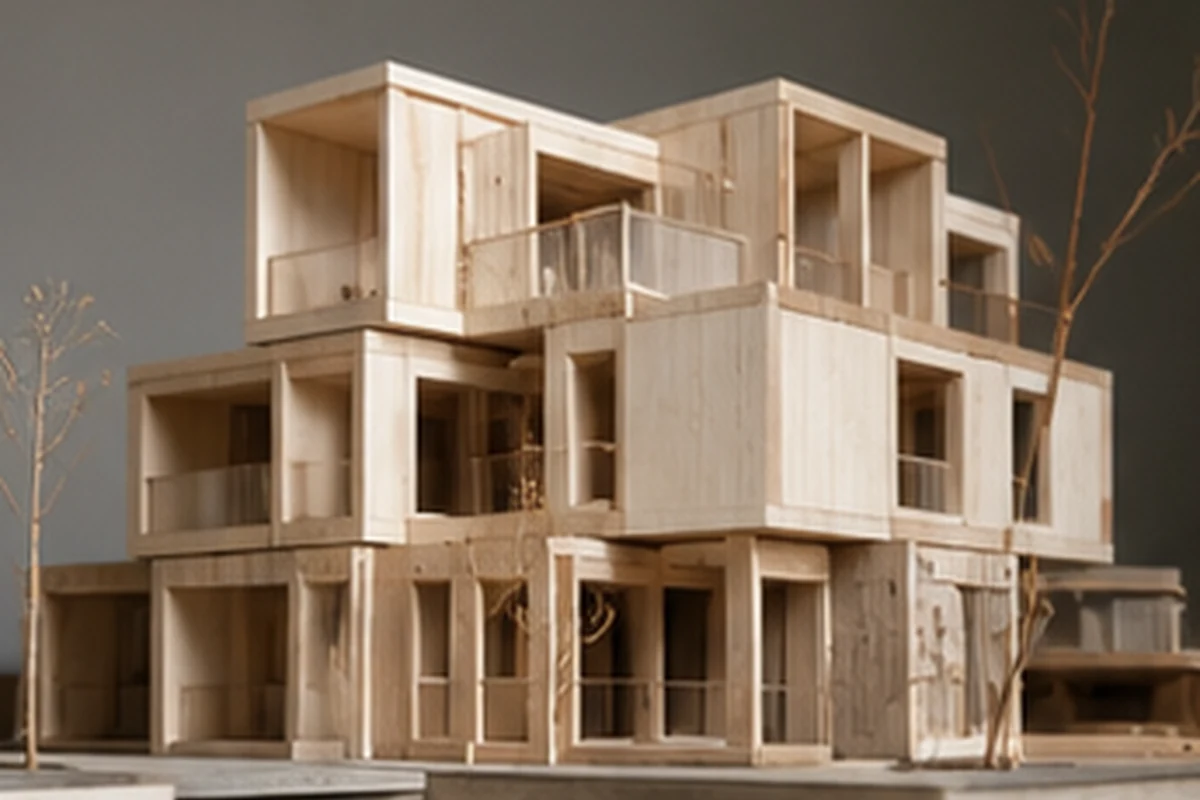
Compare architectural directions before you commit

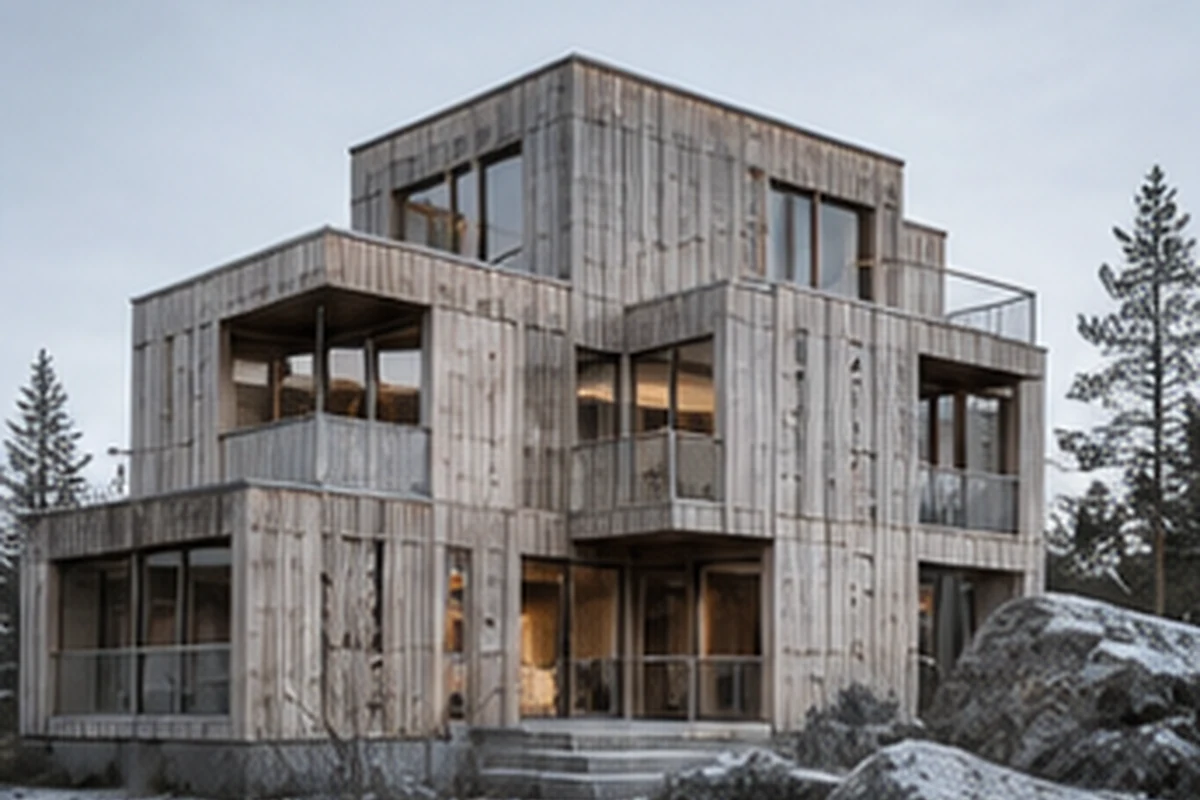
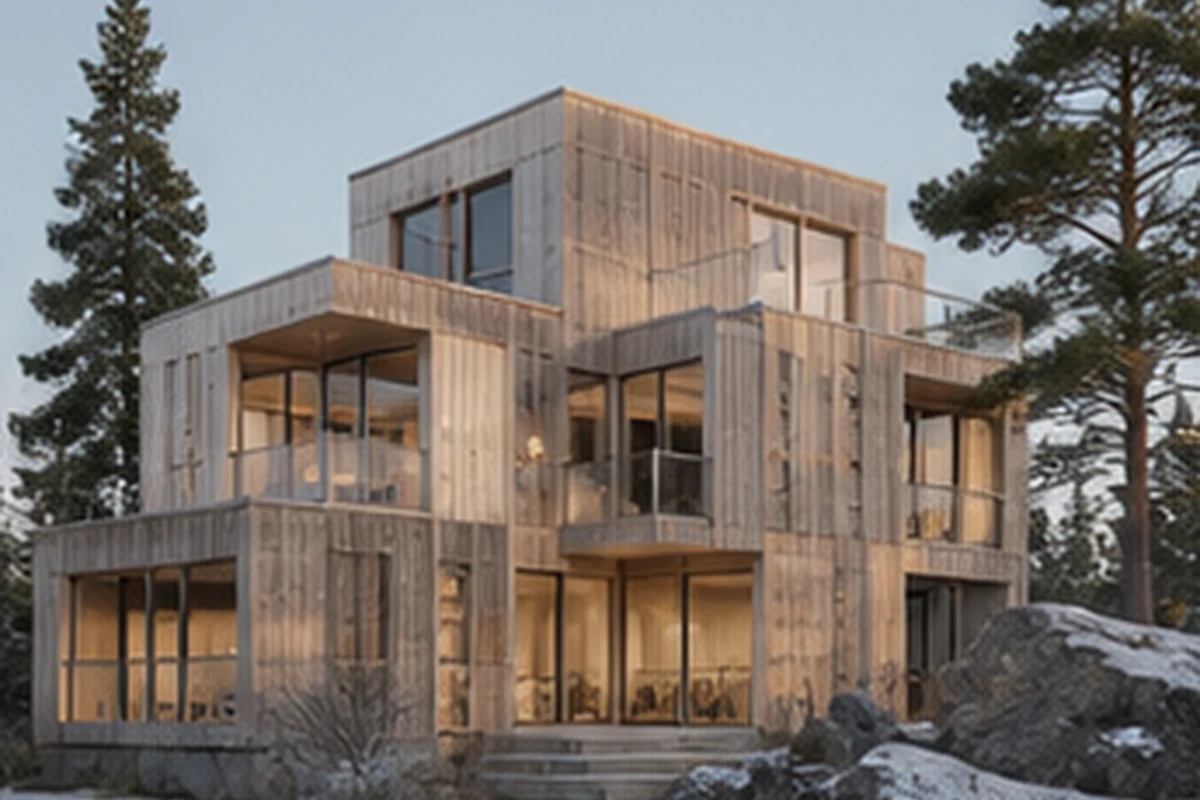
See how one massing model changes when it meets three distinctly different references. This image combiner workflow keeps each reference legible, so the output reads as a designed architectural proposal rather than a collage.

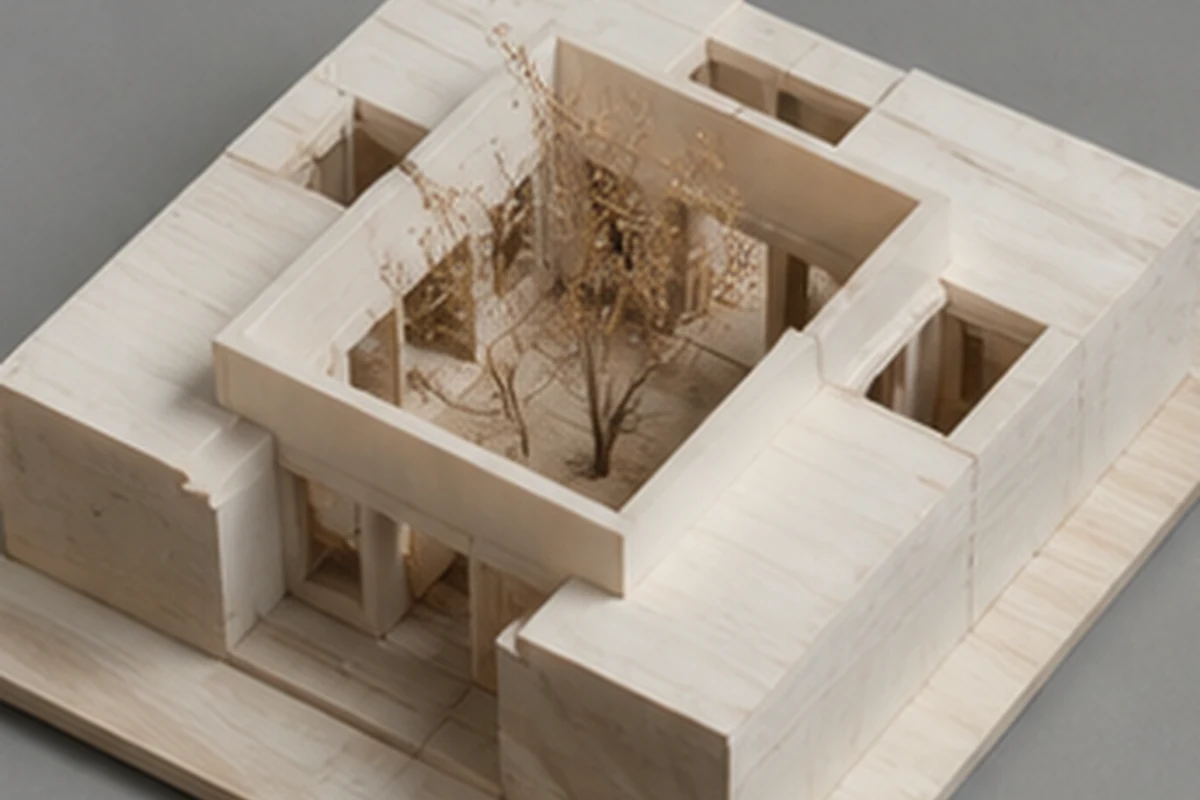
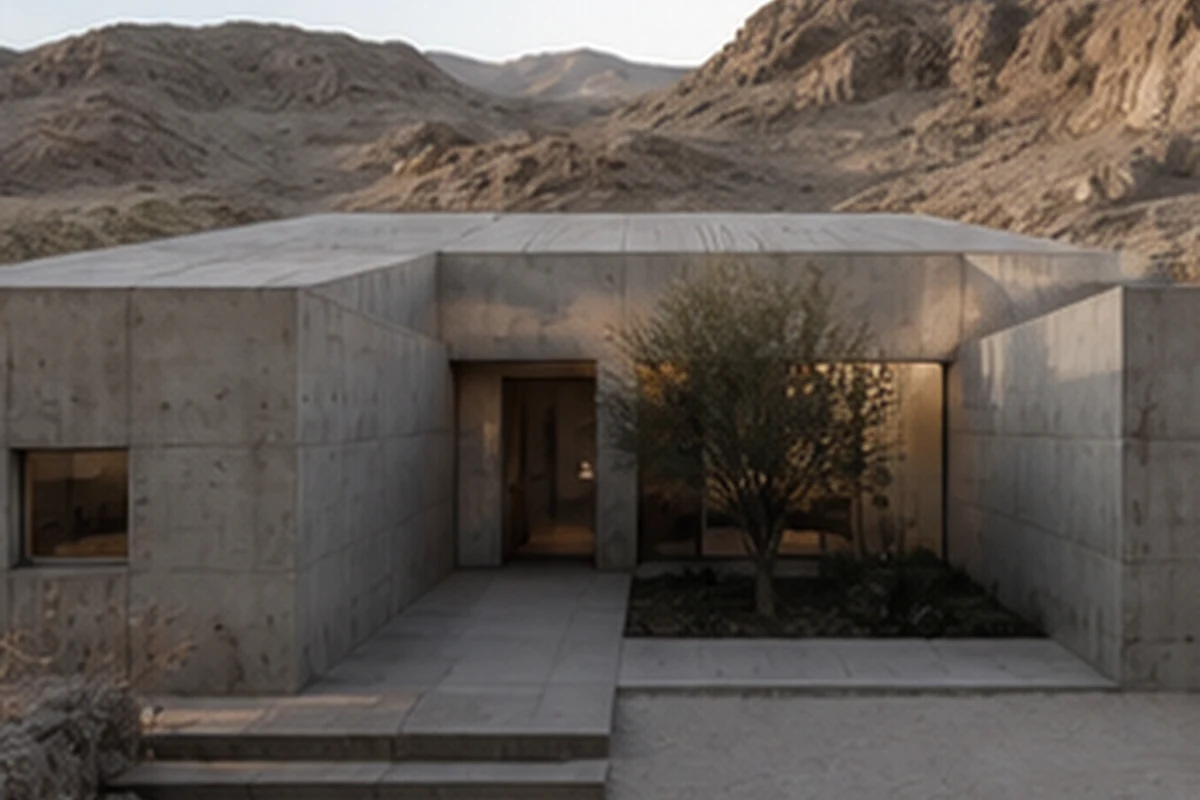
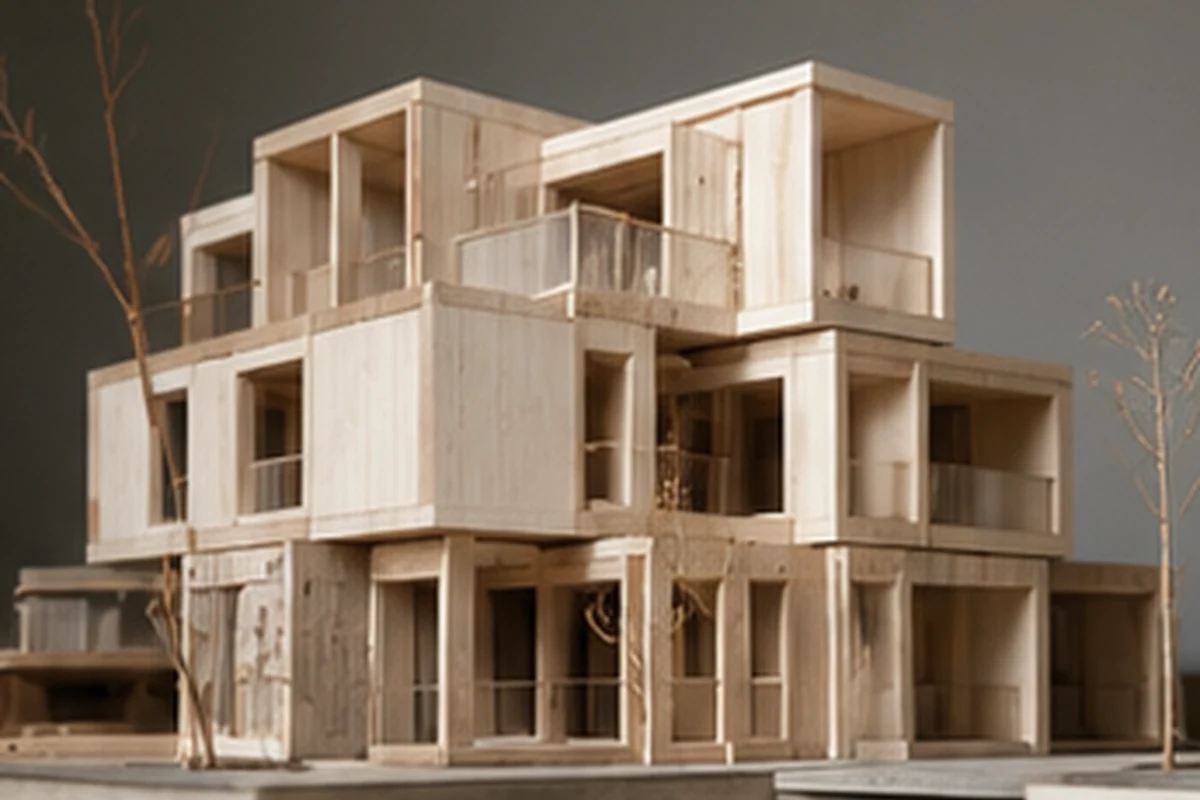
Image combiner with AI, without losing the architecture source model Image combiner with AI, without losing the architecture visual reference Image combiner with AI, without losing the architecture combined AI result

Architectural form

Preserve the model's massing and spatial rhythm while the reference establishes a credible finished building.

Image combiner with AI, without losing the architecture example 1 source model Image combiner with AI, without losing the architecture example 1 visual reference Image combiner with AI, without losing the architecture example 1 combined AI result

Material language

Use the second image to guide concrete, timber, glass, metal, or stone without losing the original design logic.

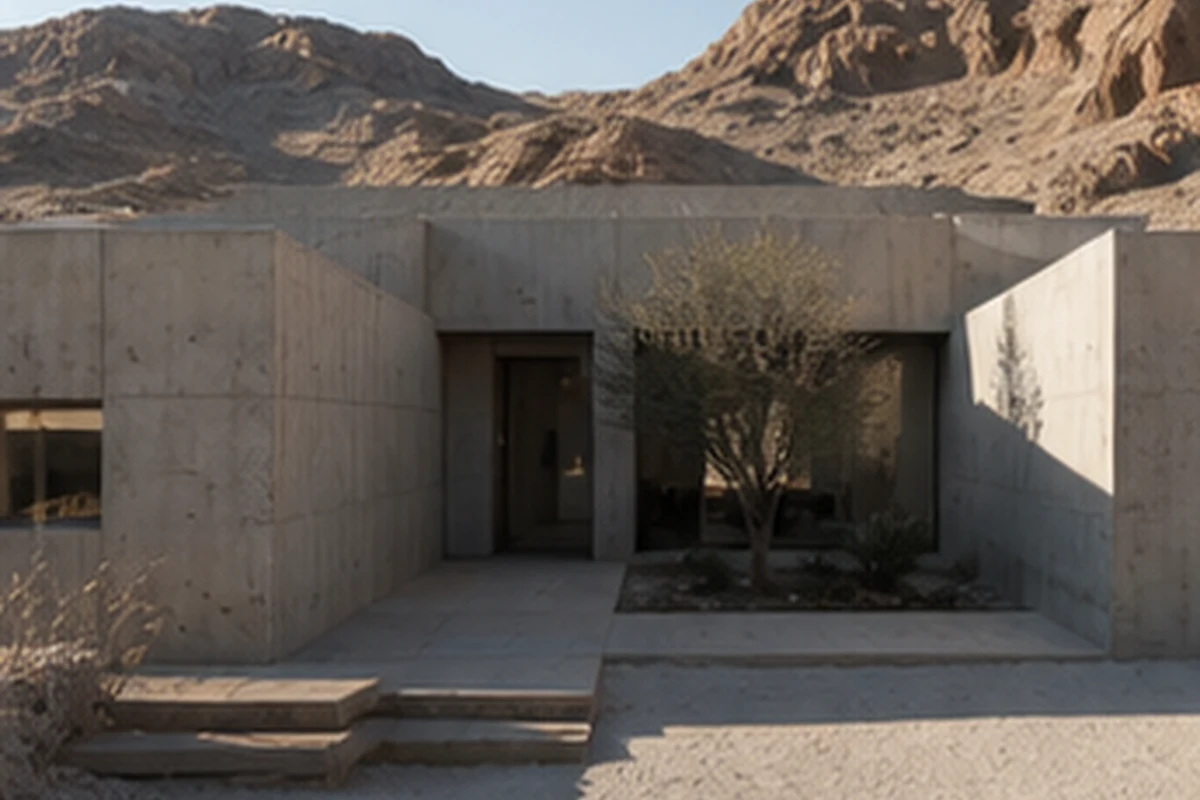
Image combiner with AI, without losing the architecture example 2 source model Image combiner with AI, without losing the architecture example 2 visual reference Image combiner with AI, without losing the architecture example 2 combined AI result

Light and setting

Transfer atmosphere, landscape, and time of day to understand how the same form performs in a new context.
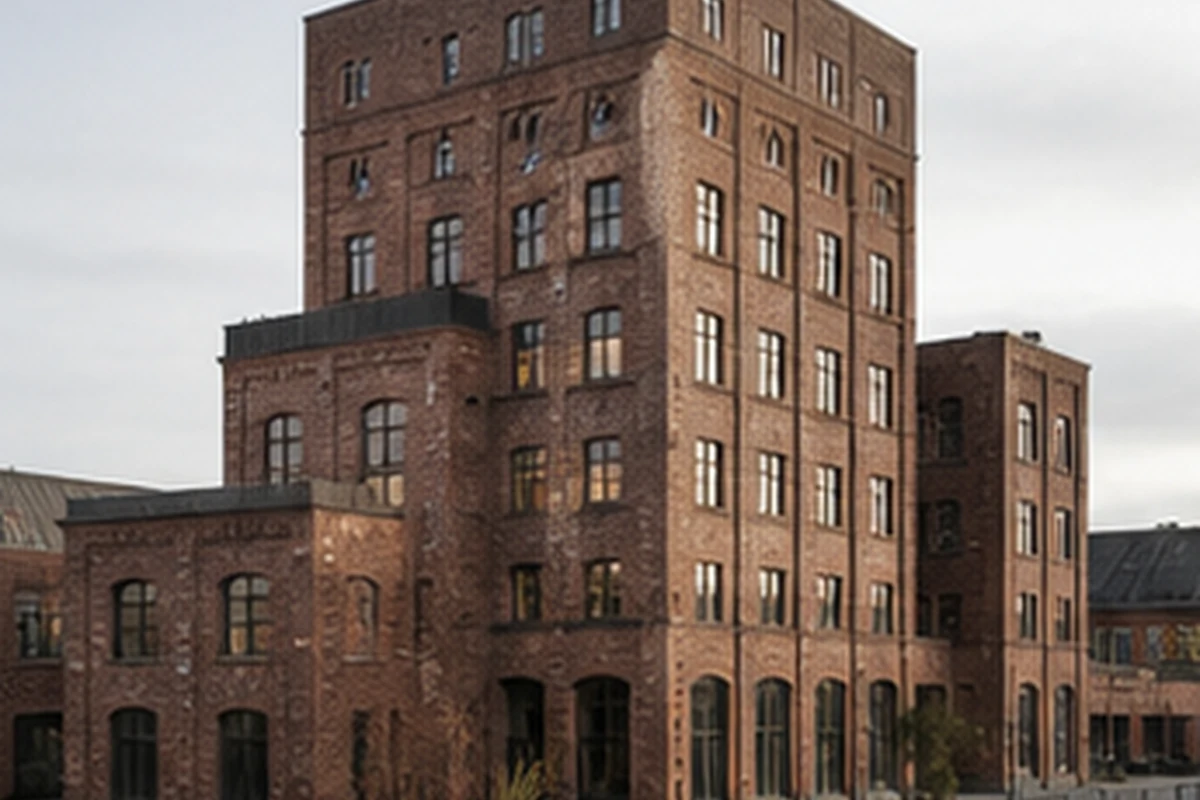
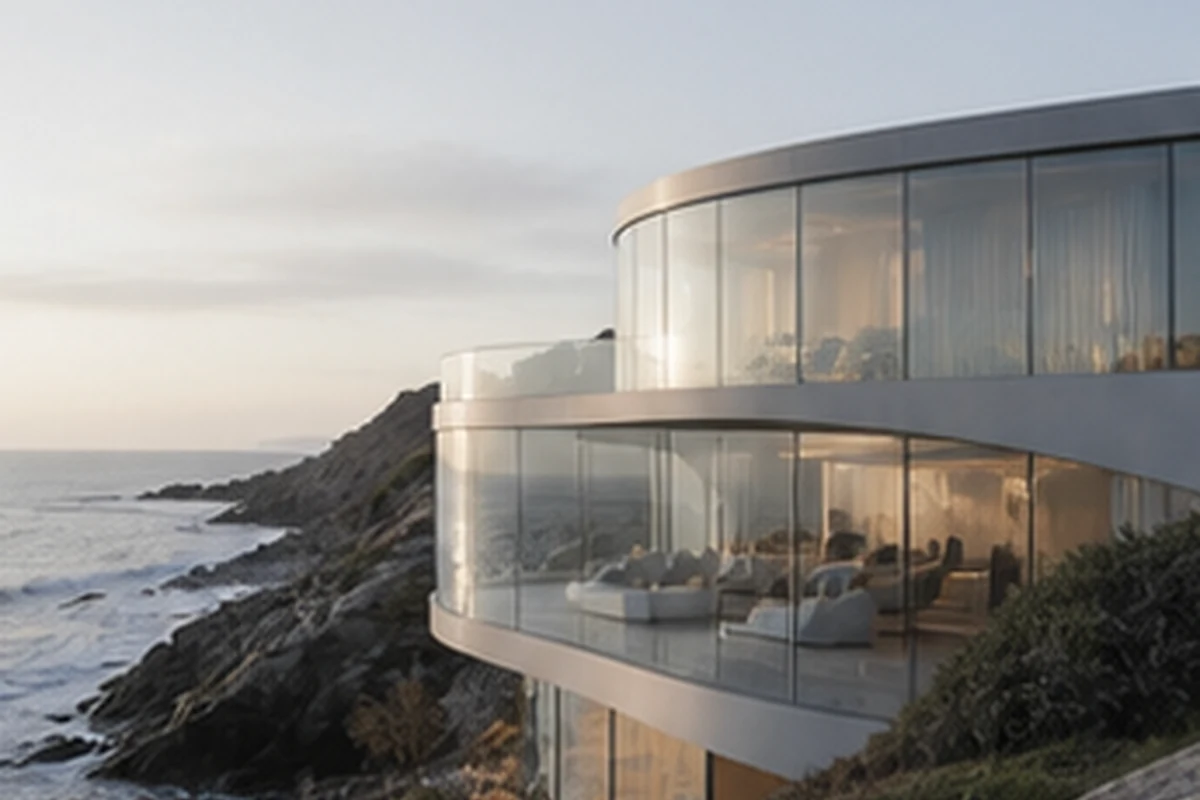
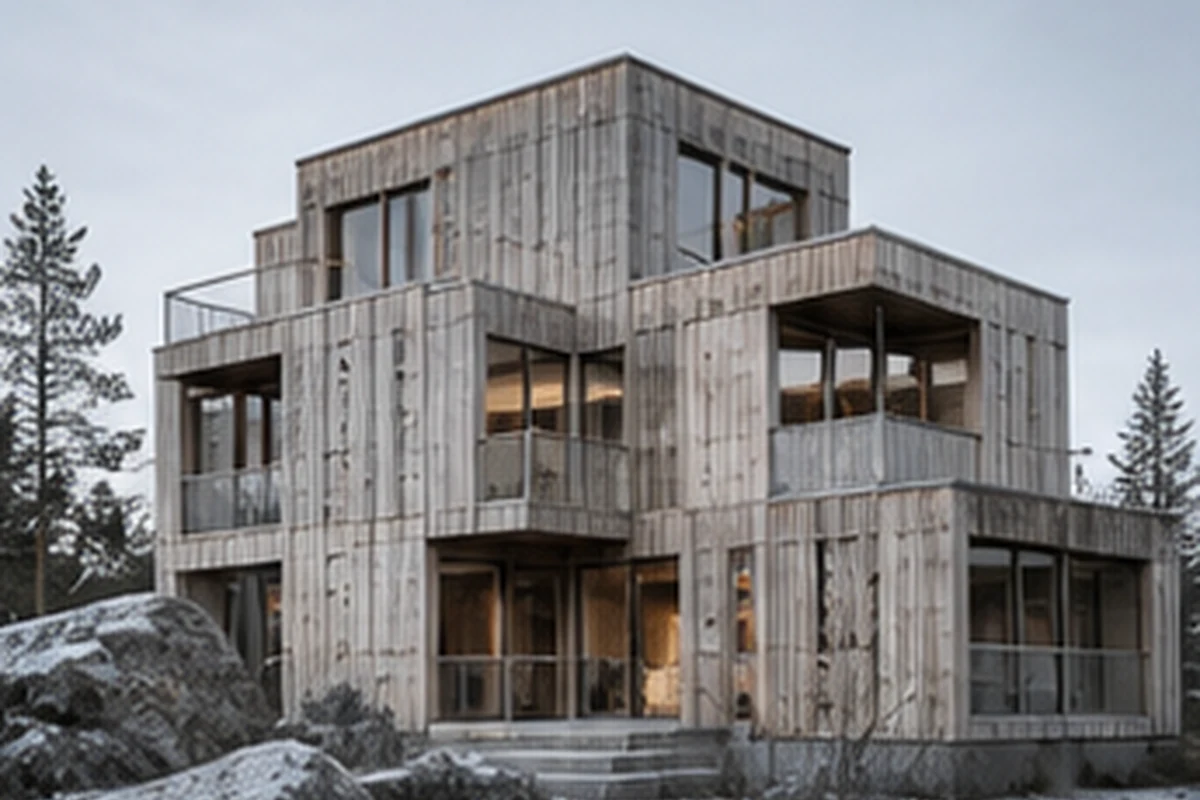
Image combiner with AI, without losing the architecture combined AI result

Choose what moves from one image to the next

Control the relationship between structure, facade, texture, and environment instead of changing everything at once. This image combiner workflow keeps each reference legible, so the output reads as a designed architectural proposal rather than a collage.

  • Architectural form Preserve the model's massing and spatial rhythm while the reference establishes a credible finished building.
  • Material language Use the second image to guide concrete, timber, glass, metal, or stone without losing the original design logic.
  • Light and setting Transfer atmosphere, landscape, and time of day to understand how the same form performs in a new context.

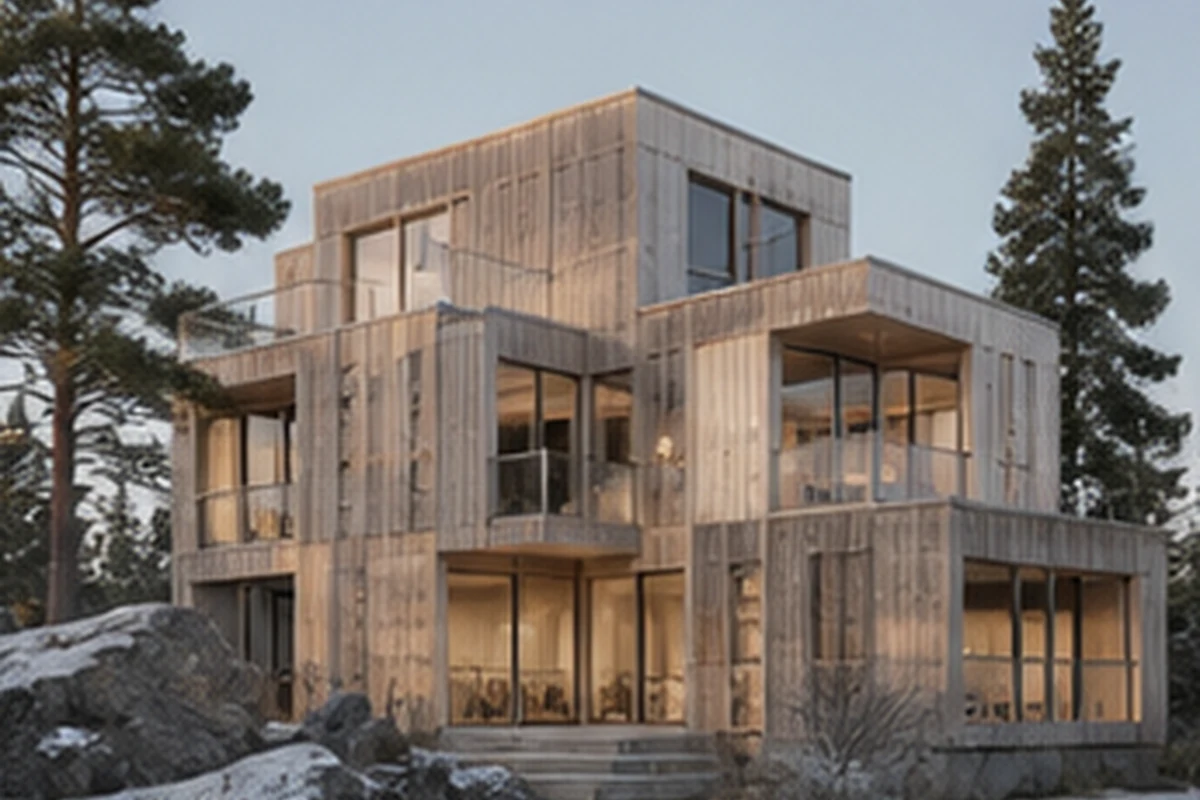
Image combiner with AI, without losing the architecture example 3 combined AI result

Build a repeatable image-combination workflow

Move from a clear source model to a detailed concept image through focused visual inputs. This image combiner workflow keeps each reference legible, so the output reads as a designed architectural proposal rather than a collage.

  • Architectural form Preserve the model's massing and spatial rhythm while the reference establishes a credible finished building.
  • Material language Use the second image to guide concrete, timber, glass, metal, or stone without losing the original design logic.
  • Light and setting Transfer atmosphere, landscape, and time of day to understand how the same form performs in a new context.
Image combiner with AI, without losing the architecture example 4 combined AI result

How to image combiner

1. Choose a clear model, sketch, or architectural photo as your structure reference. 2. Add a finished architecture image that carries the material, facade, lighting, or atmosphere you want to explore. 3. Generate and compare the result, then continue refining the direction in PromeAI with more visual references.

  1. Choose a clear model, sketch, or architectural photo as your structure reference.
  2. Add a finished architecture image that carries the material, facade, lighting, or atmosphere you want to explore.
  3. Generate and compare the result, then continue refining the direction in PromeAI with more visual references.

Questions about image combiner

It means using more than one visual reference to guide a new output. For architecture, one image can protect the form while another guides the finished visual language.