


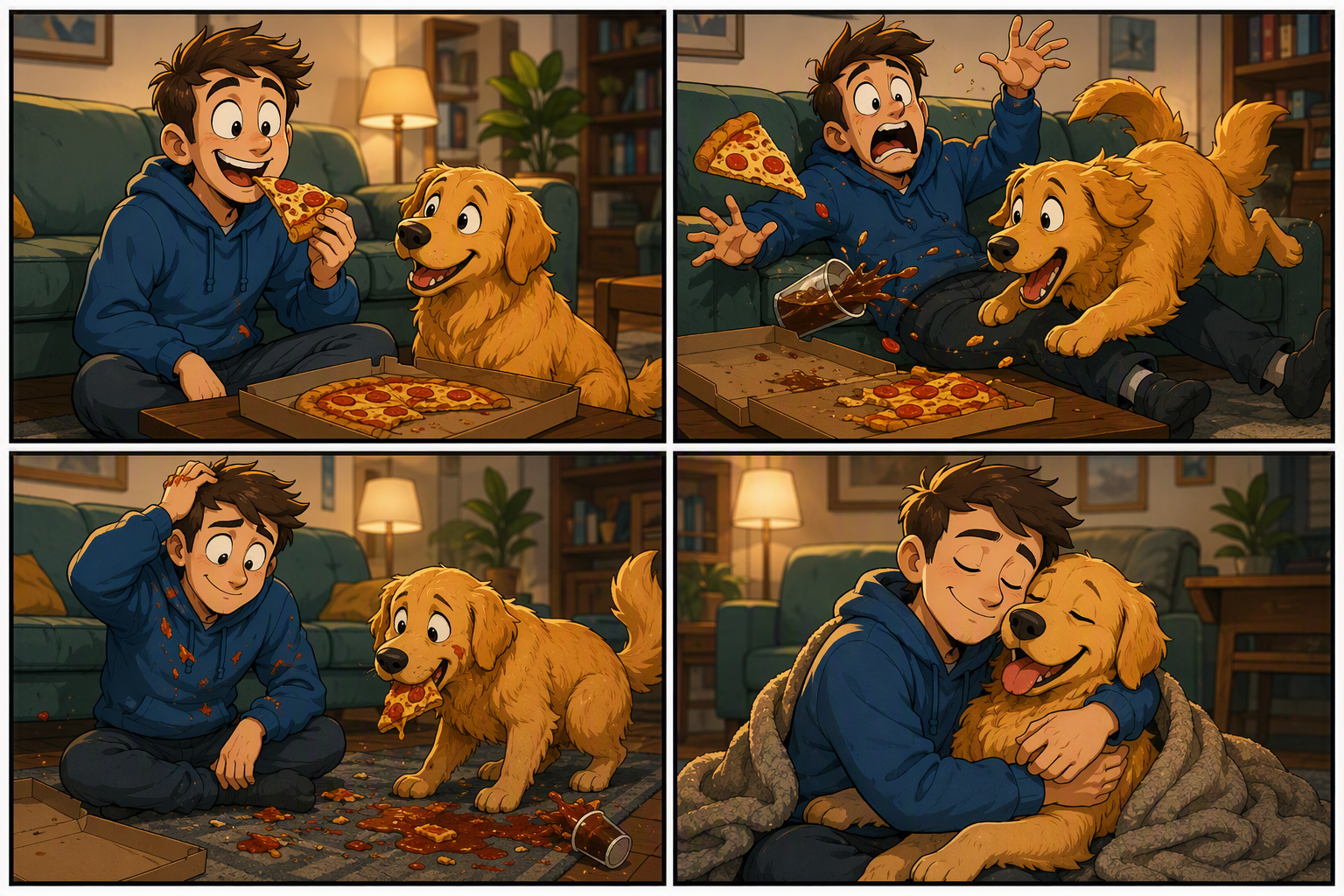
Four-panel comedy strip
A finished four-panel comedy strip showing how an ai comic generator can use clear information hierarchy while staying focused on the intended audience and task.
Upload a reference image or start with a clear brief. Compare relevant examples, then use a focused brief to make the result fit your audience, format, and the details you need to preserve.
Compare the visible choices in these examples—such as audience, subject, composition, and style—before creating your own version.
A finished four-panel comedy strip showing how an ai comic generator can use clear information hierarchy while staying focused on the intended audience and task.
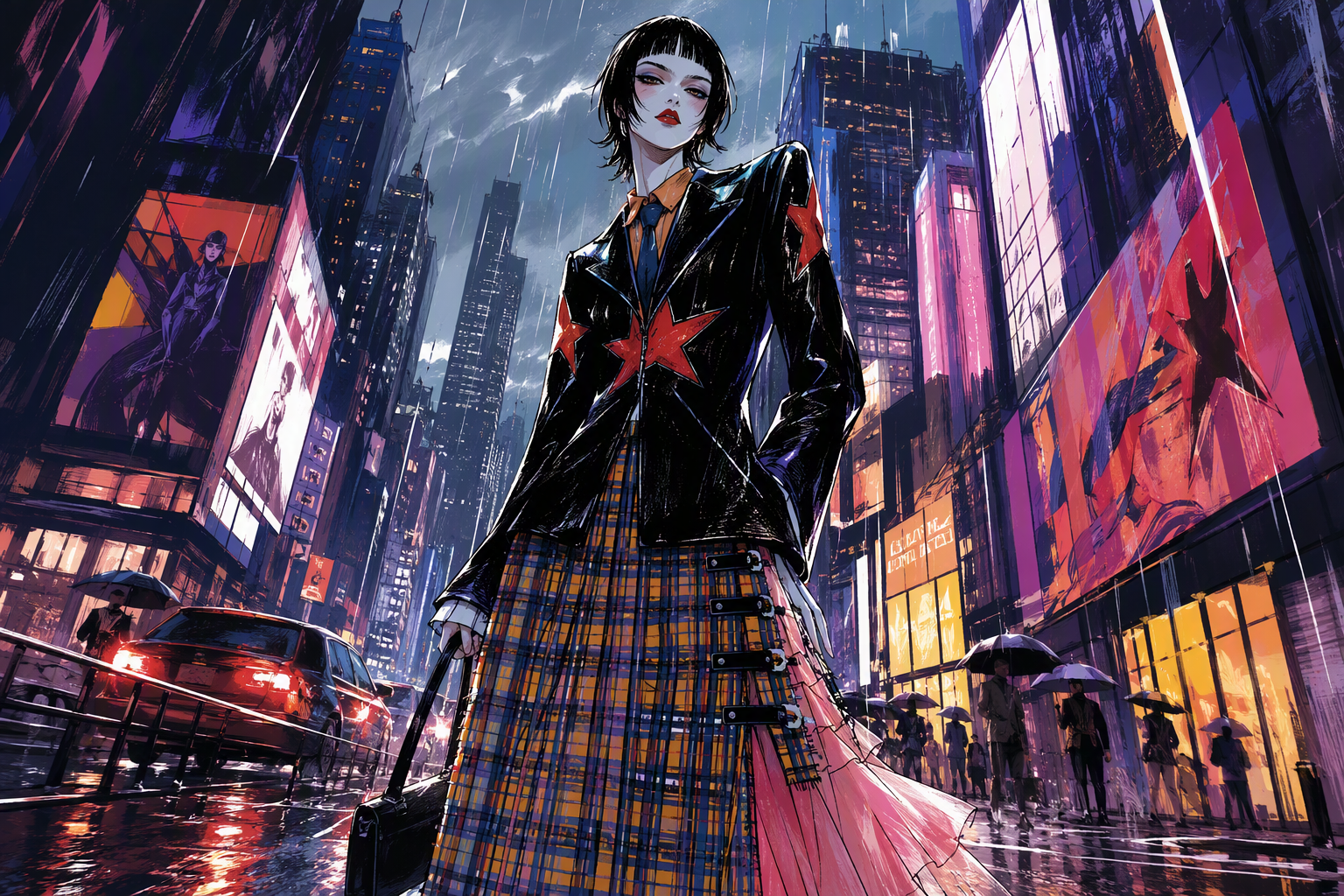
A finished vertical webcomic scene showing how an ai comic generator can use a strong focal point while staying focused on the intended audience and task.
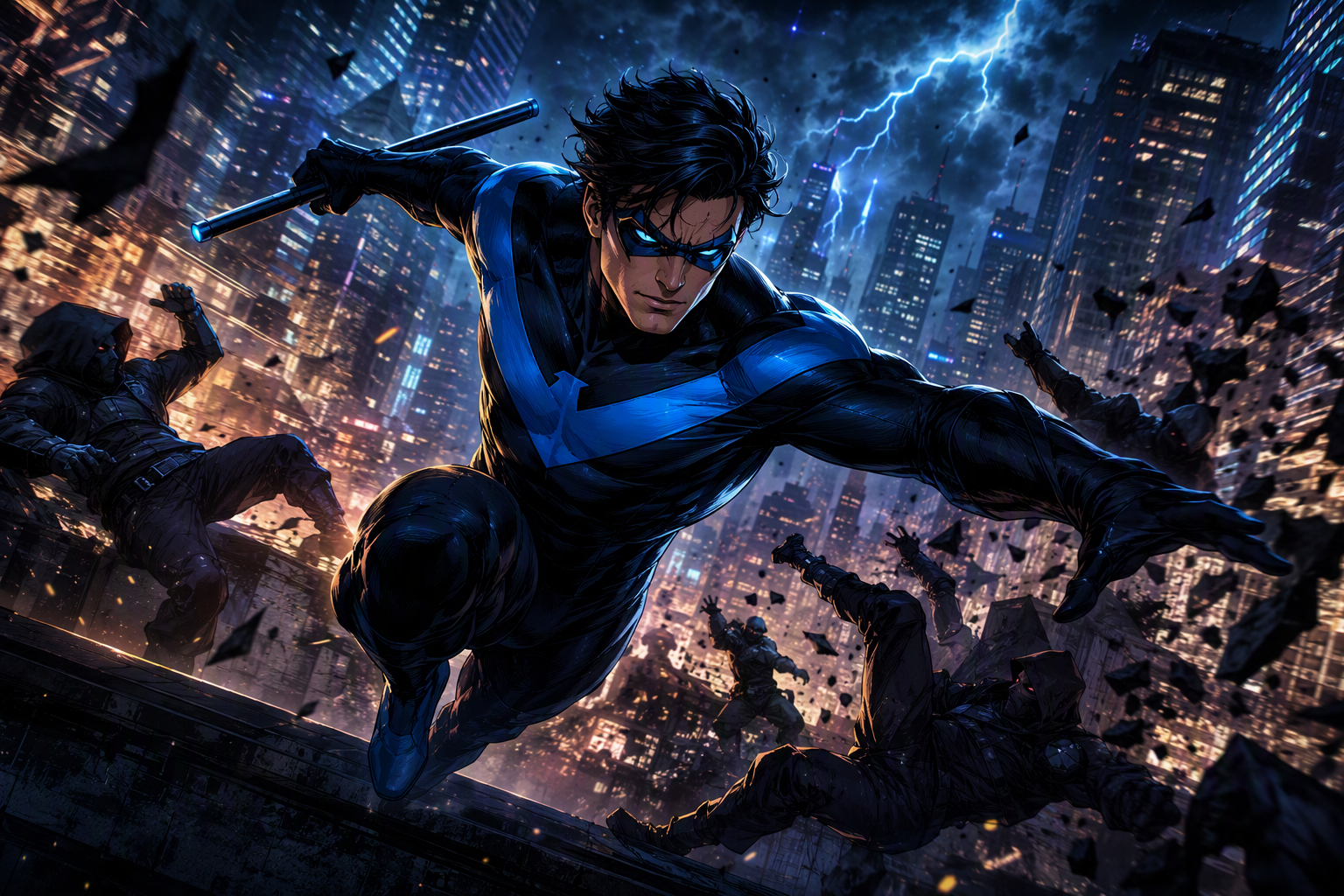
A finished superhero action panel showing how an ai comic generator can use consistent visual language while staying focused on the intended audience and task.
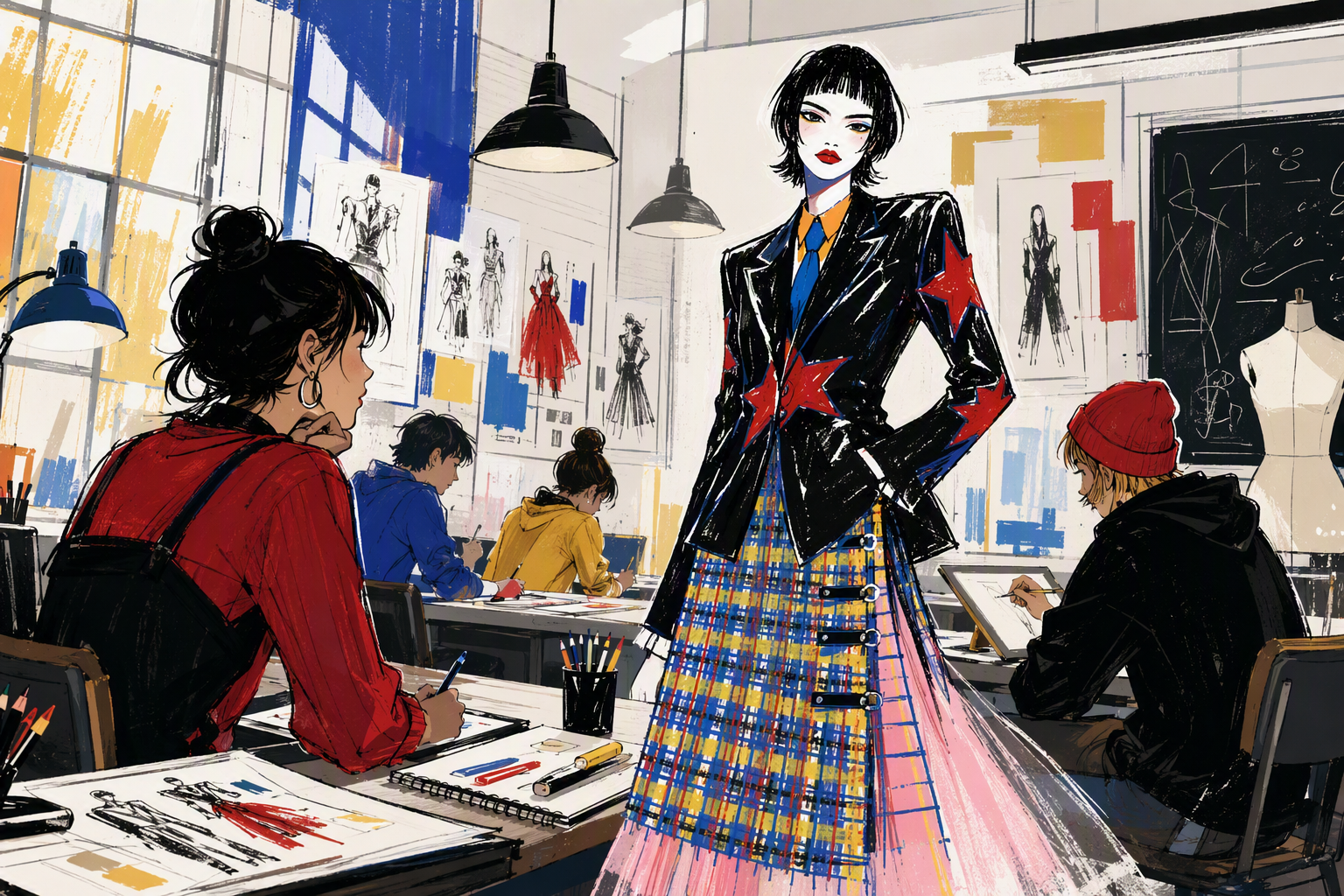
A finished educational explainer comic showing how an ai comic generator can use a project-ready composition while staying focused on the intended audience and task.
Use a clear reference and a focused brief to guide the choices that matter for four-panel comedy strip, vertical webcomic scene, or another task-specific direction.
Build the result around the exact job implied by ai comic generator, rather than applying a generic visual style to an unrelated image.
Use an uploaded image to preserve the subject, brand cues, proportions, or spatial context that matter to the task.
Start from curated directions that show practical ways to approach the task without writing a detailed prompt from scratch.
Explore multiple styles, palettes, compositions, materials, or motion treatments while keeping the page's core search intent intact.
Create visuals designed to be reviewed, shared, refined, or used as the starting point for a practical creative workflow.
Move from the first concept into a broader creative workspace when you need to refine details, expand the composition, or build related assets.
These scenarios show who can use the workflow, what they can start with, and the kind of visual outcome they can take forward.
Start with a relevant reference or brief for four-panel comedy strip, then guide the composition, visible details, and style toward the needs of the intended audience.
Start with a relevant reference or brief for vertical webcomic scene, then guide the composition, visible details, and style toward the needs of the intended audience.
Start with a relevant reference or brief for superhero action panel, then guide the composition, visible details, and style toward the needs of the intended audience.
Start with a relevant reference or brief for educational explainer comic, then guide the composition, visible details, and style toward the needs of the intended audience.
Start with a relevant reference or brief for product story comic, then guide the composition, visible details, and style toward the needs of the intended audience.
Start with a relevant reference or brief for manga-style character moment, then guide the composition, visible details, and style toward the needs of the intended audience.
Choose a source that shows the details you need to keep, describe the intended outcome clearly, then compare focused variations before exporting or continuing to edit.
Begin with a story prompt, dialogue outline, or character reference. A relevant source gives the model the subject, scene, or brand context needed for a more useful result.
Adjust only the choices that materially affect this task—such as style, palette, composition, material, layout, or motion—while keeping the intended output clear.
Review the result at full size, check the task-critical details, and save or share the version that best fits your project.
Use this guide to choose a useful starting point, describe the outcome clearly, and assess whether the result supports the real job behind ai comic generator.
A useful result answers the job behind the brief: it makes the main subject and intended message clear, keeps the relevant visual details believable, and gives you something concrete to review or refine.
Upload a reference image or start with a clear brief. Select a source where the details that matter—such as the subject, space, layout, or proportions—are visible enough to guide the result.
When comparing versions, change one meaningful choice at a time. That could be the audience, material, color treatment, composition, or level of motion, depending on what the ai comic generator needs to communicate.
Before sharing or exporting, check the details people will rely on: clarity, hierarchy, edges, proportions, material boundaries, and any space needed for text or follow-up editing.
Continue with distinct PromeAI tasks that complement ai comic generator—from creating source visuals to refining the result for the next deliverable.
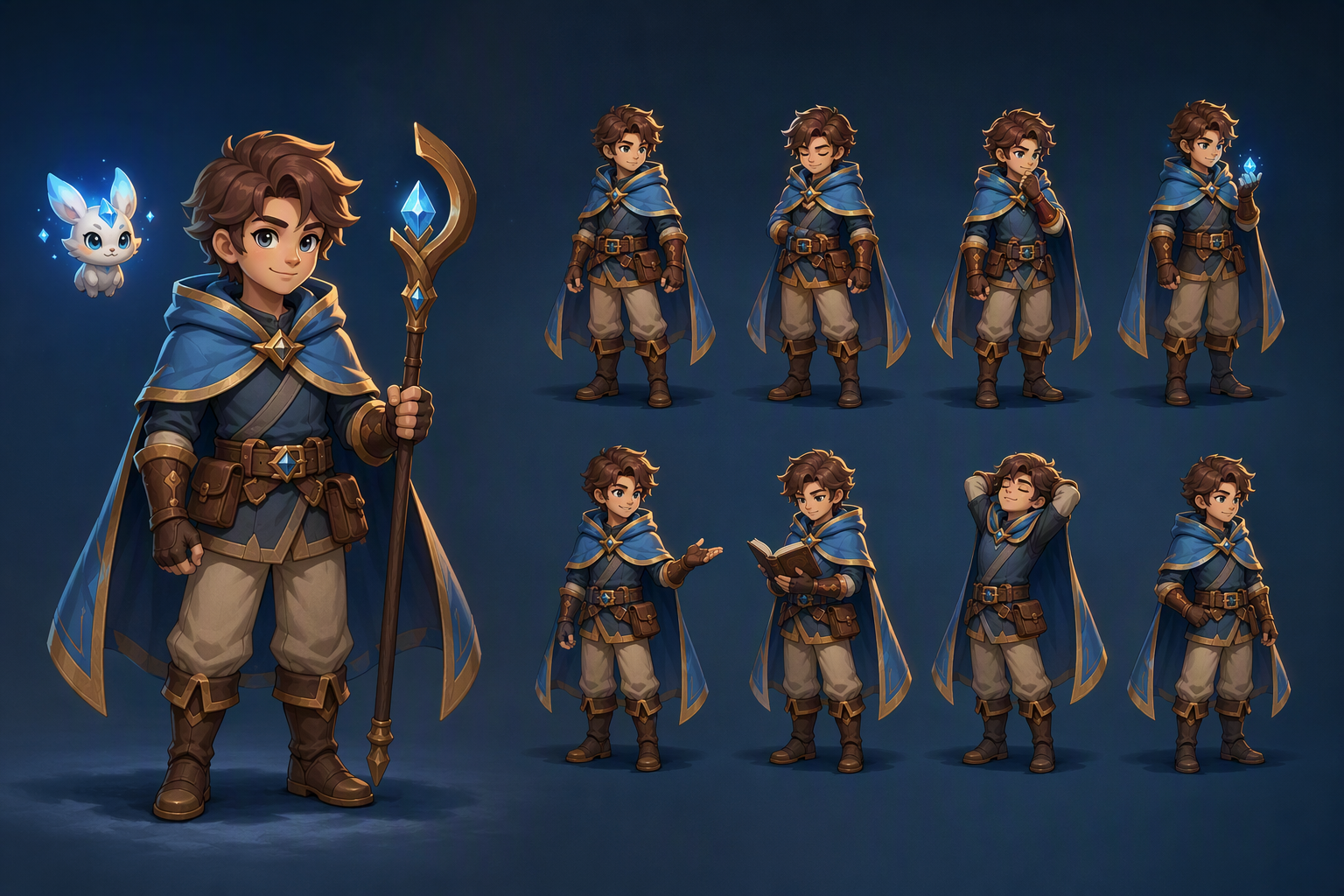
Explore another focused PromeAI workflow for sprite sheets and animation frames.
Open page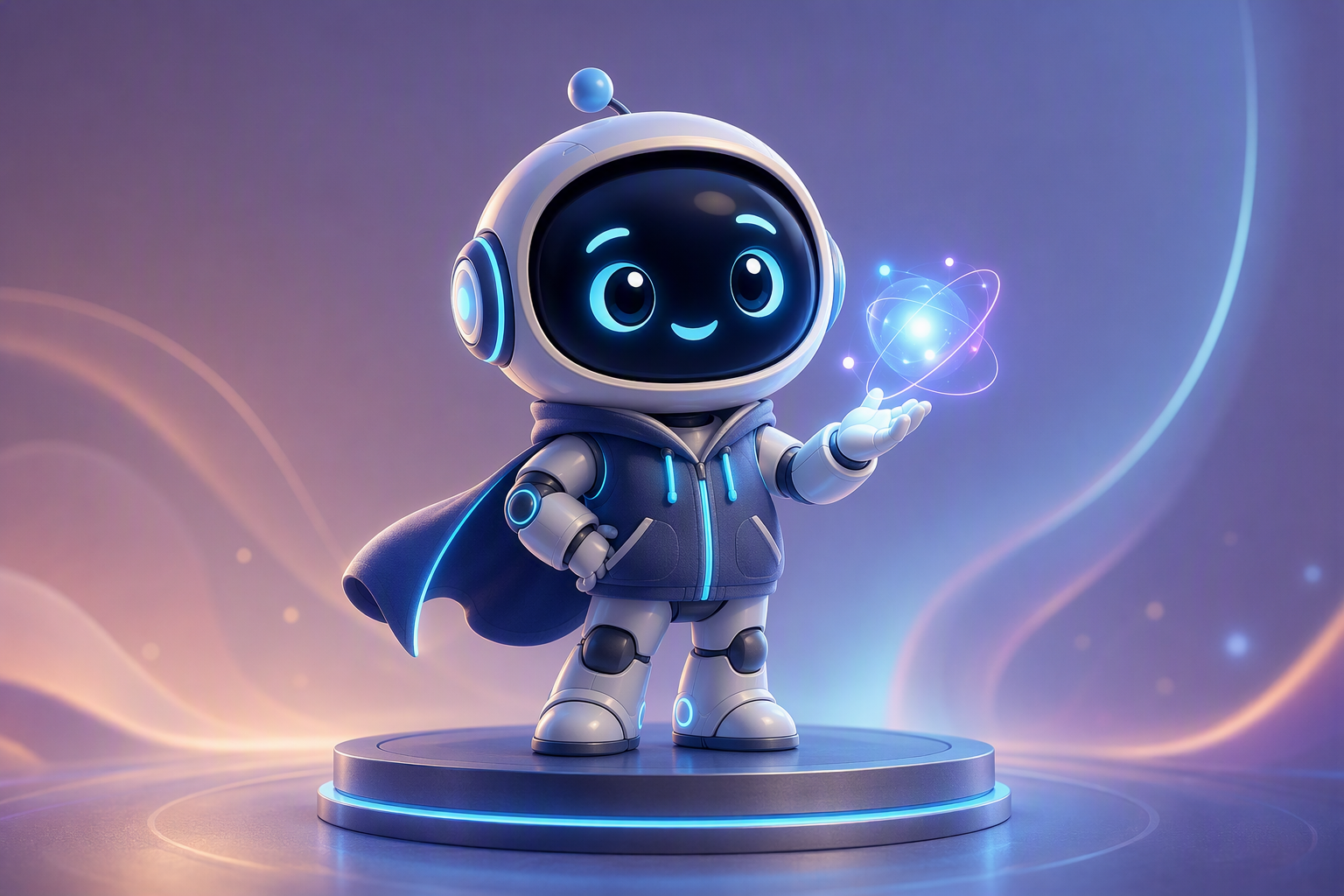
Explore another focused PromeAI workflow for brand-ready mascot concepts.
Open page
Explore another focused PromeAI workflow for rug placement visualizations.
Open pagePractical answers for choosing references, directing the output, and deciding what to refine next.

Start with your own reference or a ready-made idea, then shape a result that fits the project instead of settling for a generic visual.
Create AI Comic Generator
Technical support: tech@promeai.pro
Business collaboration: business@promeai.pro
What Creators Look For in AI Comic Generator Results
Feedback for ai comic generator should focus on whether the result supports the intended use, preserves the important details, and is ready for further editing or sharing.
We can turn a single source image into several polished product video directions before committing budget to a full studio shoot.
The video examples make it easier to compare motion ideas, product angles, and campaign-ready pacing with our team.
A generated motion preview helps stakeholders understand the reveal, close-up detail, and visual story much faster than static images.