


Explore Vehicle and Mechanical Concept Designs
Turn a design brief into visual concepts for vehicles, mechanical products, paint schemes, and future transport, then compare variations before refining a selected direction.
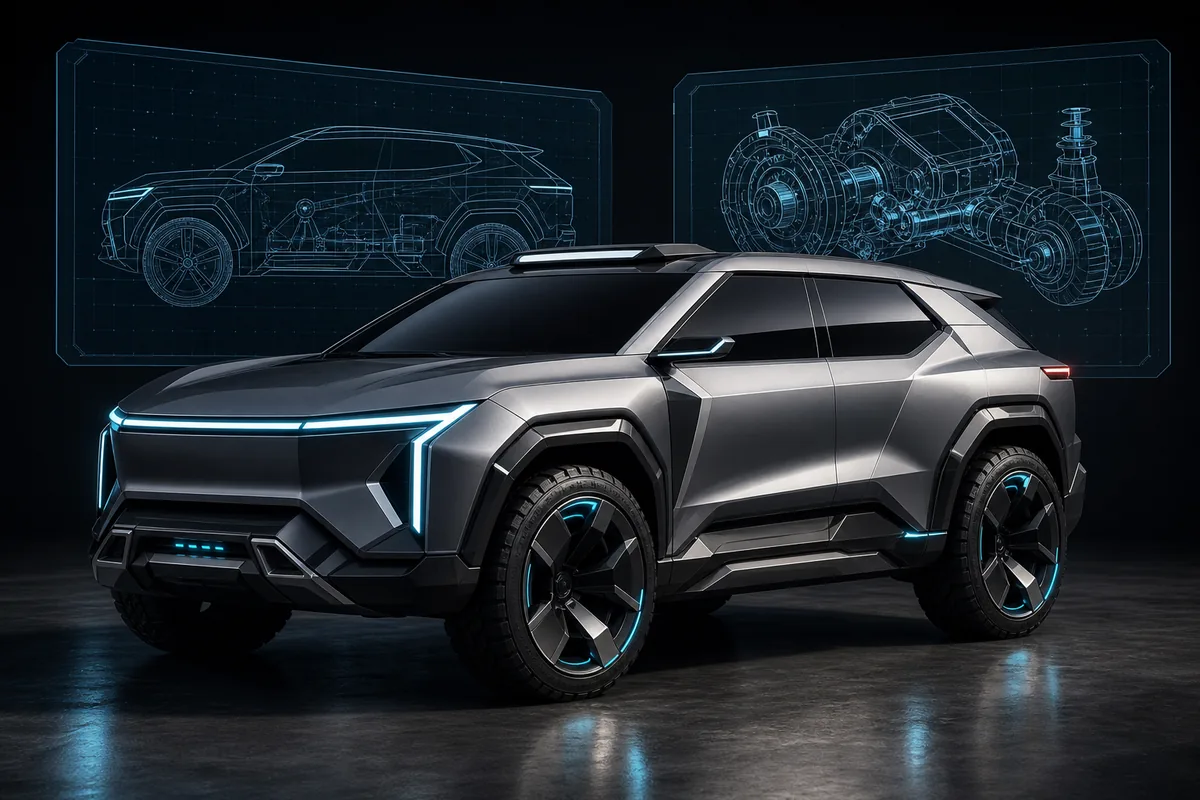
See the Workflow Run
The actual workflow — connected nodes you can run to preview each step.
Where Mechanical Concept Visuals Accelerate Exploration
Professional capabilities powered by AI.
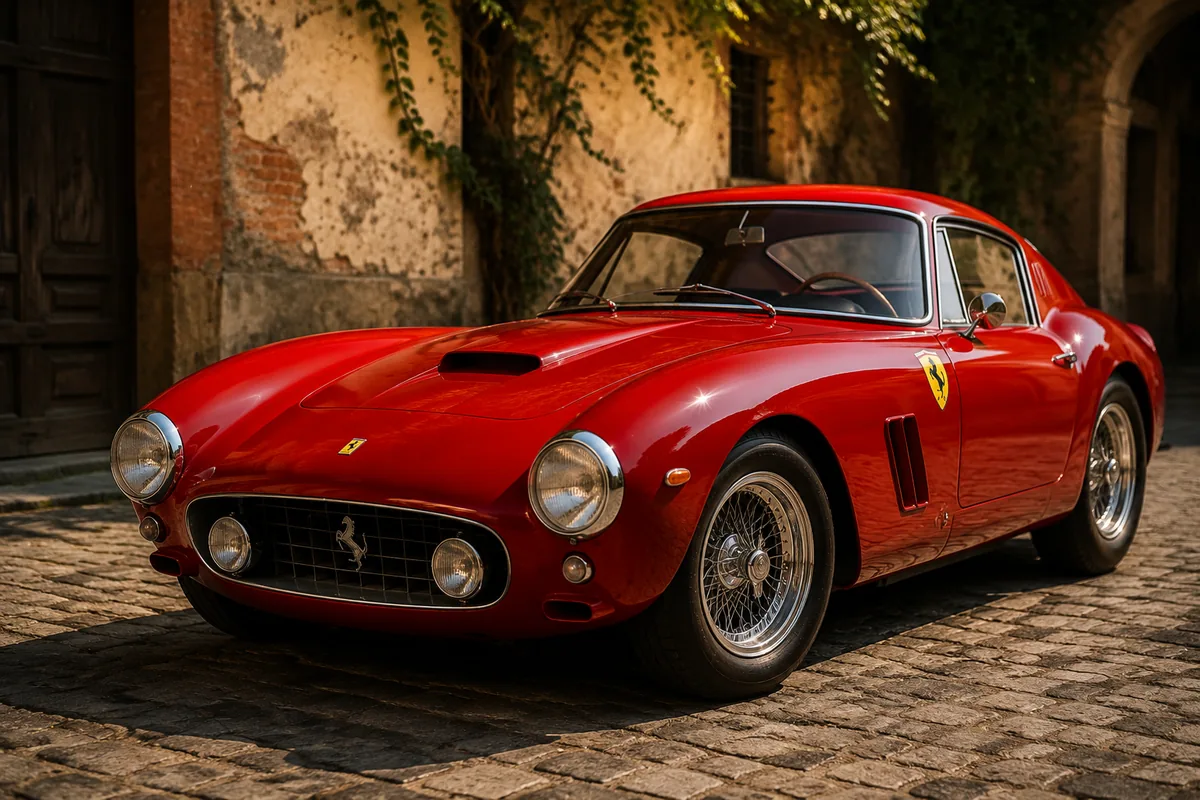
Develop an Early Vehicle Form
Explore stance, silhouette, surface language, and major components before detailed modelling.
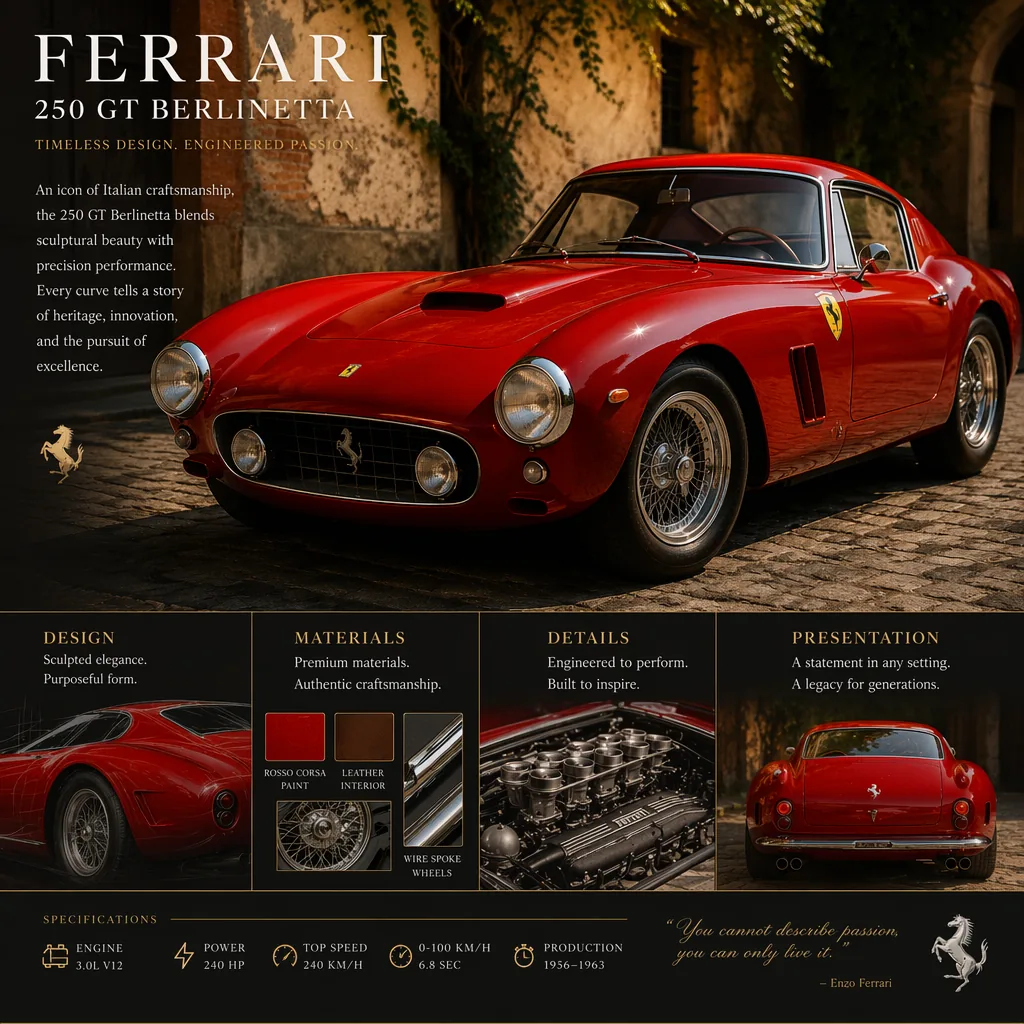
Compare Paint and Trim Directions
Test how color blocking and finish choices change the identity of the same product concept.
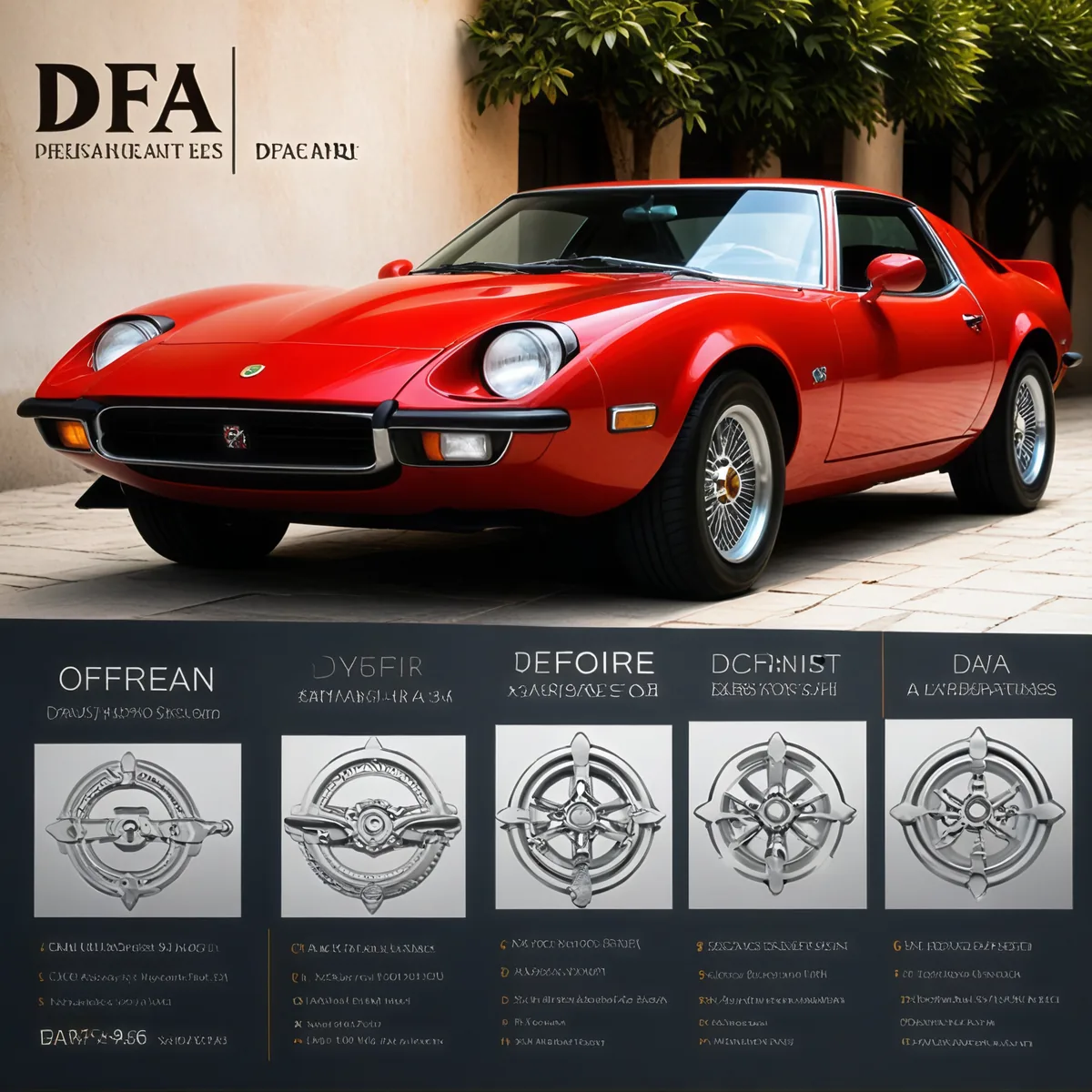
Communicate a Futuristic Product Idea
Turn a speculative transport or mechanical brief into a visual that supports design discussion.
Keep Form, Function, and Scale Connected
A strong concept should communicate how the object is used and how major components relate. Styling that ignores access, wheels, joints, controls, or plausible mechanical zones can weaken the proposal.
Choose variations around a defined question. Comparing body proportion, surface treatment, or paint strategy separately makes the design learning clearer than changing everything at once.
The rendering is not an engineering model. Verify dimensions, mechanisms, safety, manufacturing, ergonomics, and technical feasibility through appropriate design development.
Frequently Asked Questions
Move the Mechanical Idea from Brief to Visual Concept
Explore the form, components, and visual identity before choosing a direction for deeper development.

Technical support: tech@promeai.pro
Business collaboration: business@promeai.pro