


Set Geometry, Camera, and Material Locks
Use model screenshots, a reference image, material zones, and a saved view to define which visual parameters should remain fixed across later architectural generations.
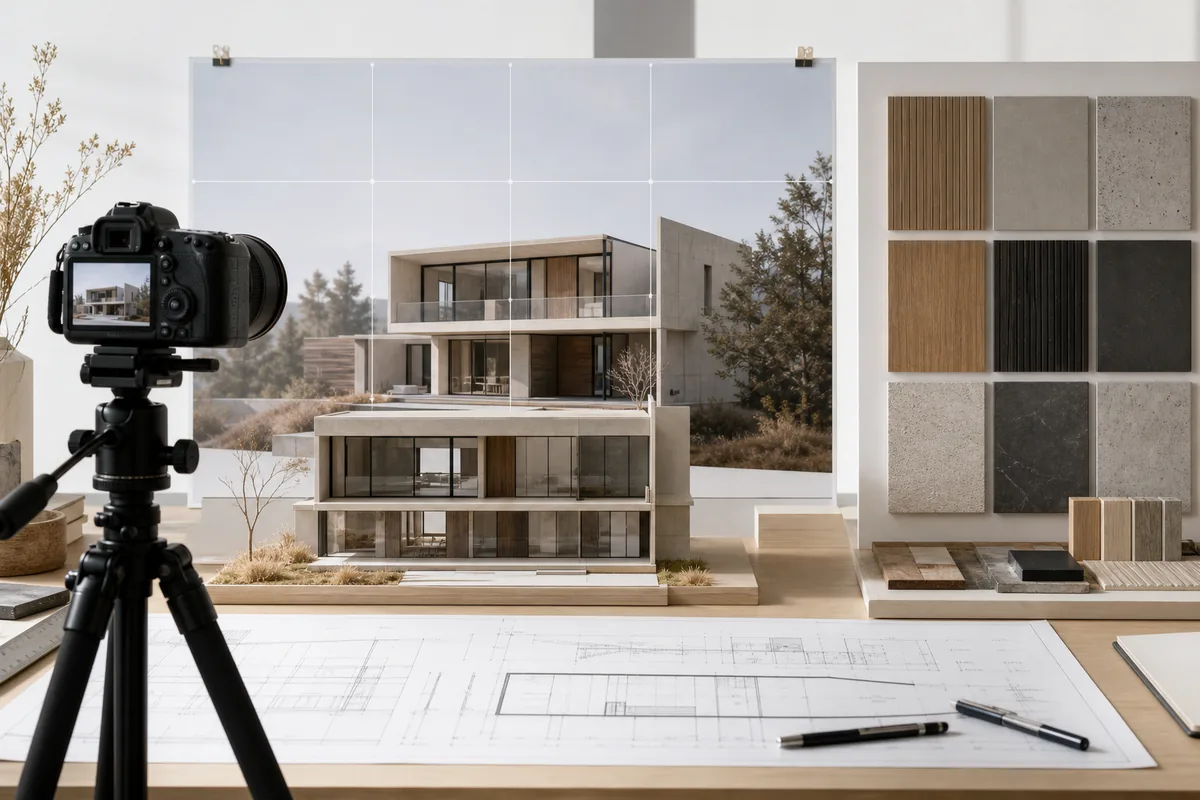
See the Workflow Run
The actual workflow — connected nodes you can run to preview each step.
When a Lock Profile Protects Design Intent
Professional capabilities powered by AI.
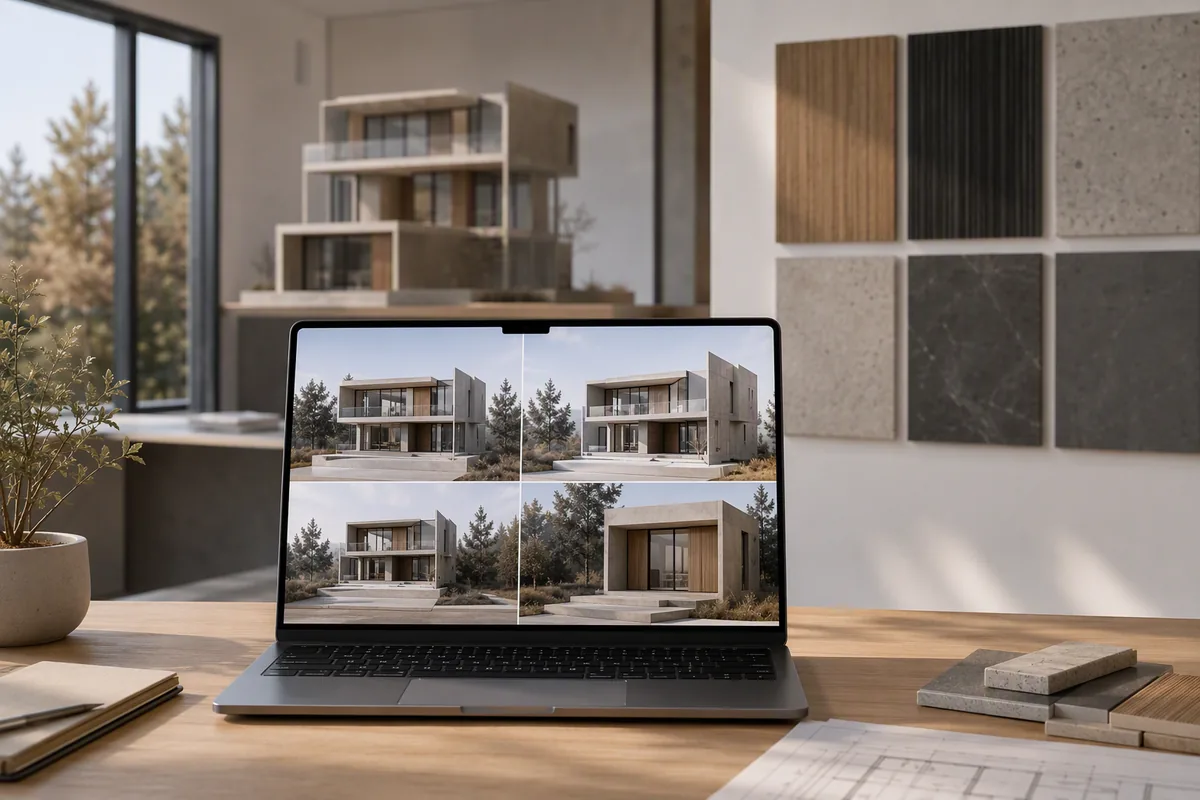
Generate Related Architectural Views
Carry the approved form, viewpoint, and material zoning into later images without restating every condition.
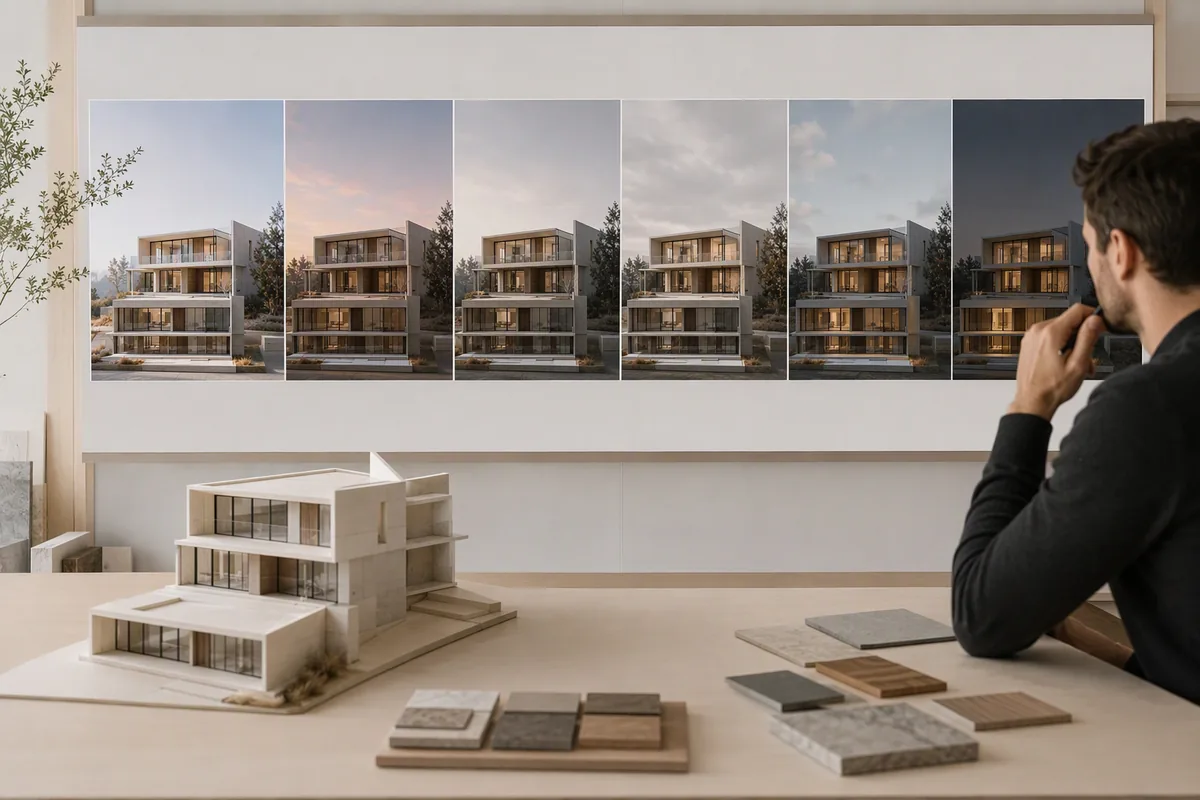
Control a Revision Series
Define what must remain stable before exploring lighting, atmosphere, or another permitted variable.
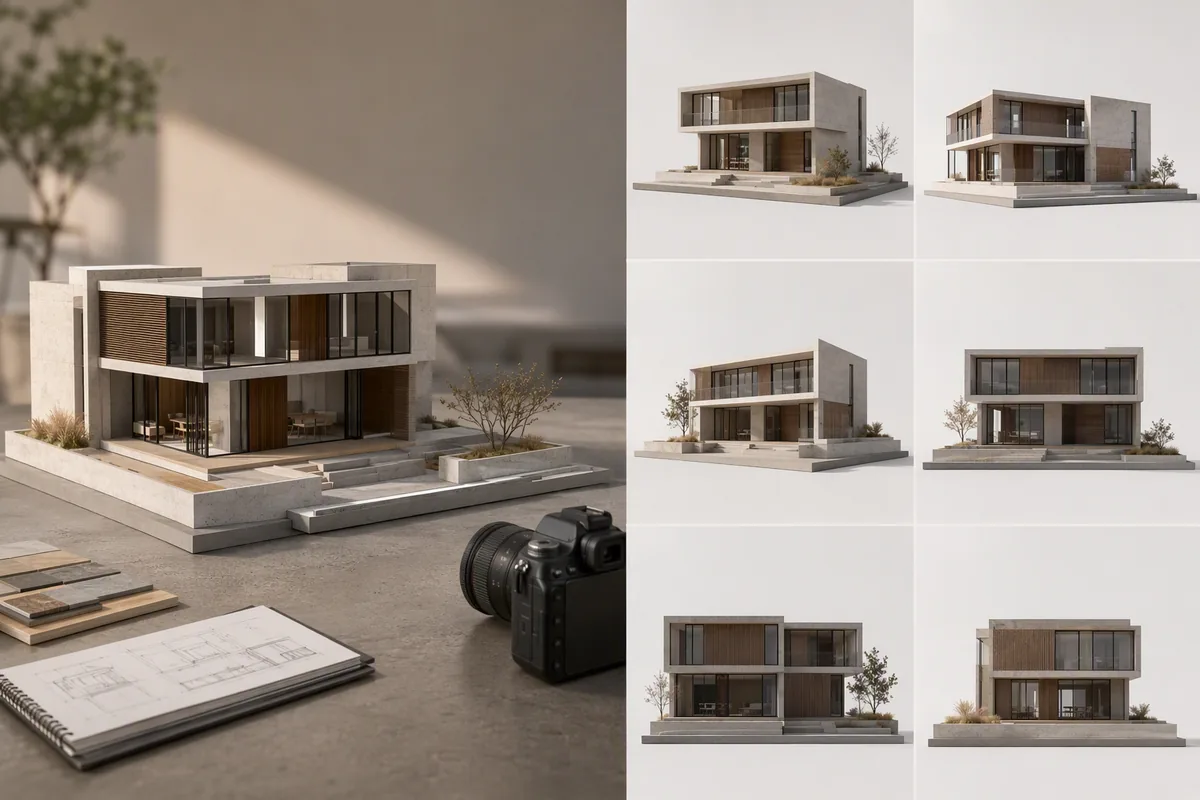
Prepare a Multi-View Batch
Give coordinated view generation a clear reference for shared geometry and material decisions.
Lock Only What Has a Reliable Reference
A geometry lock needs clearly readable form; a camera lock needs an unambiguous viewpoint; and a material lock needs distinct zones. Weak source information cannot become precise simply by labeling it fixed.
Separate stability from identity. For example, keeping a material zone fixed does not necessarily require every reflection or lighting response to remain visually identical.
Record exceptions and acceptable variation. A useful profile defines both the protected design intent and the areas where later workflows may still explore.
Frequently Asked Questions
Define What Must Stay Stable Before Generating More Views
Create a reusable lock profile for the geometry, camera, and material decisions that carry the design intent.

Technical support: tech@promeai.pro
Business collaboration: business@promeai.pro