


Set Up A/B/C Design Scheme Branches
Use a base design view, constraint register, and reference sets to establish clearly named option branches with their own themes, shared limits, seed views, and comparison notes.

See the Workflow Run
The actual workflow — connected nodes you can run to preview each step.
When Named Branches Make Exploration Clearer
Professional capabilities powered by AI.
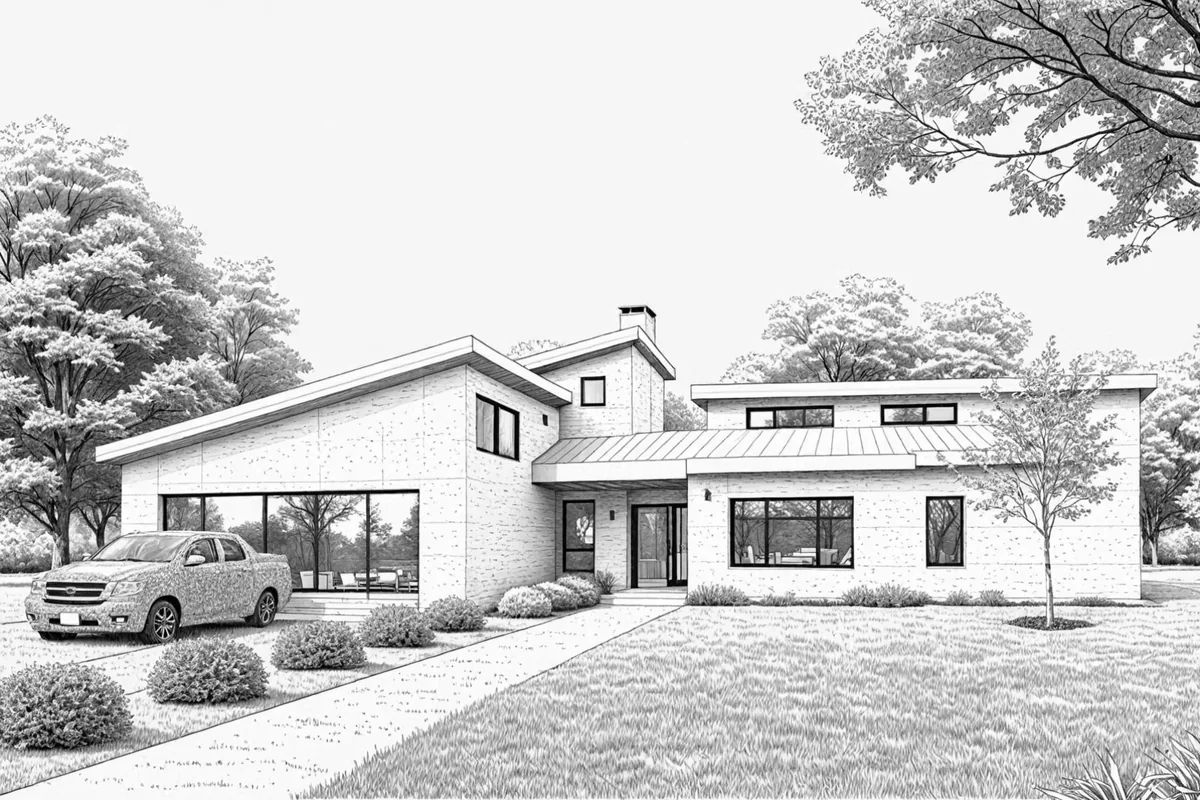
Run a Structured Concept Study
Prevent early options from becoming unlabeled variations with no clear design proposition.
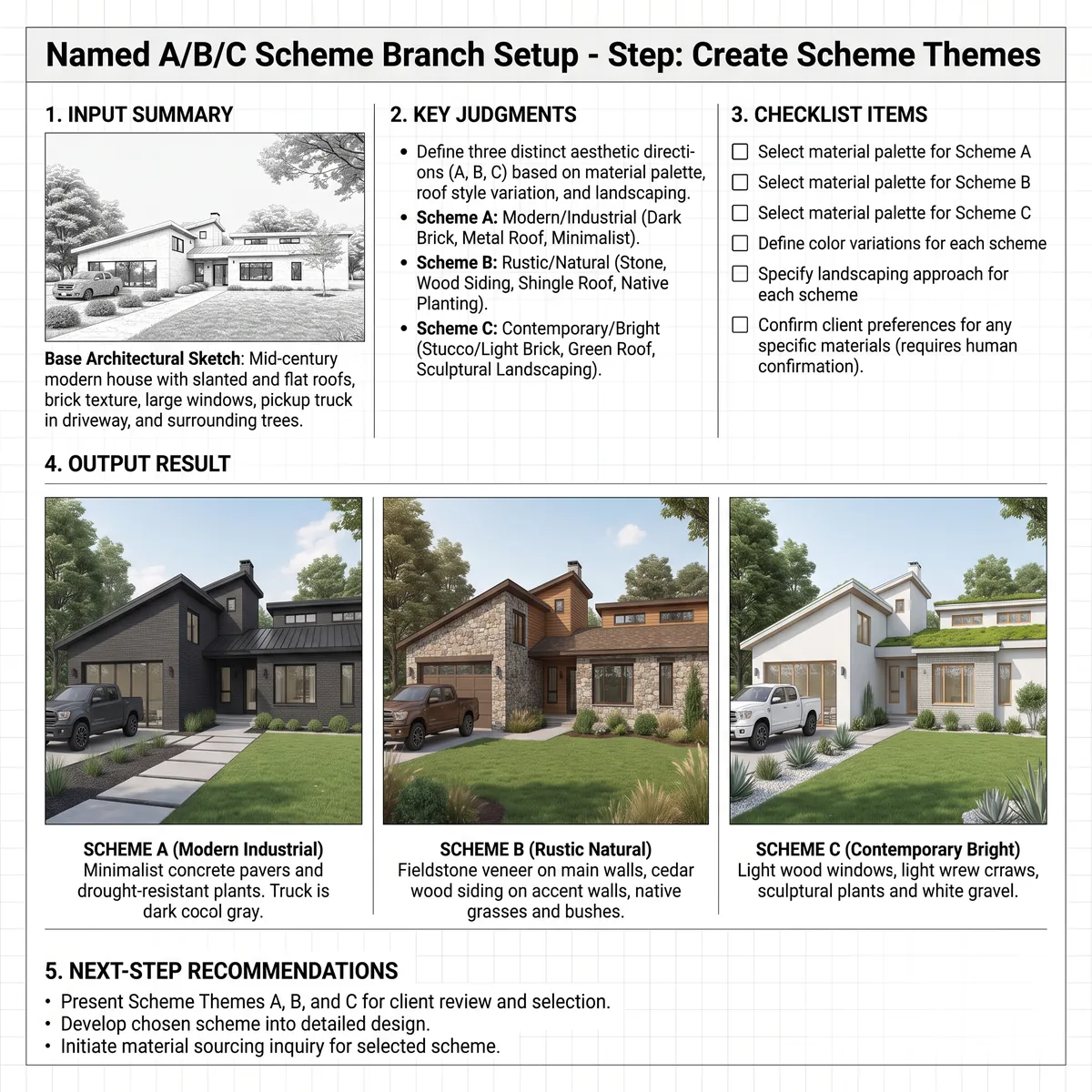
Divide Work Across a Team
Give each designer or workstream a defined branch while preserving shared project constraints.
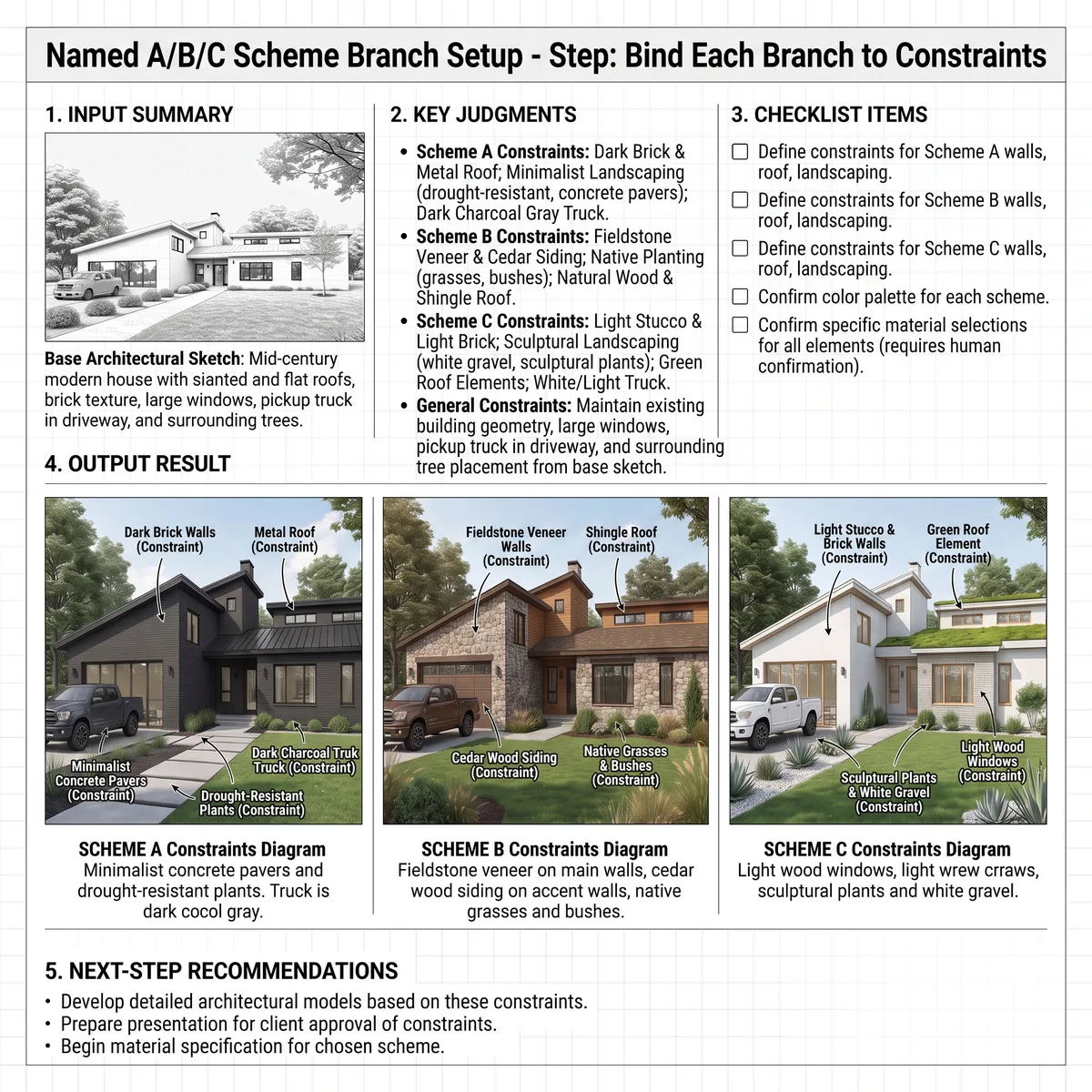
Prepare a Client Option Review
Explain what each direction is testing and which conditions remain constant across A, B, and C.
Vary One Design Proposition, Not the Project Rules
Branches should differ through meaningful design choices while sharing the constraints required for a fair comparison. If every input changes, reviewers cannot tell which decision produced the result.
Use names that describe the proposition rather than ranking the options. Labels such as “preferred” or “safe” bias the review before the criteria have been applied.
Record when a branch intentionally challenges a constraint or assumption. An explicit exception can support exploration; an undocumented departure creates confusion later.
Frequently Asked Questions
Give Each Design Direction a Clear Identity
Set up A/B/C branches that share the project rules while exploring genuinely different propositions.

Technical support: tech@promeai.pro
Business collaboration: business@promeai.pro