


Prepare an Early Solar and Daylight Review Pack
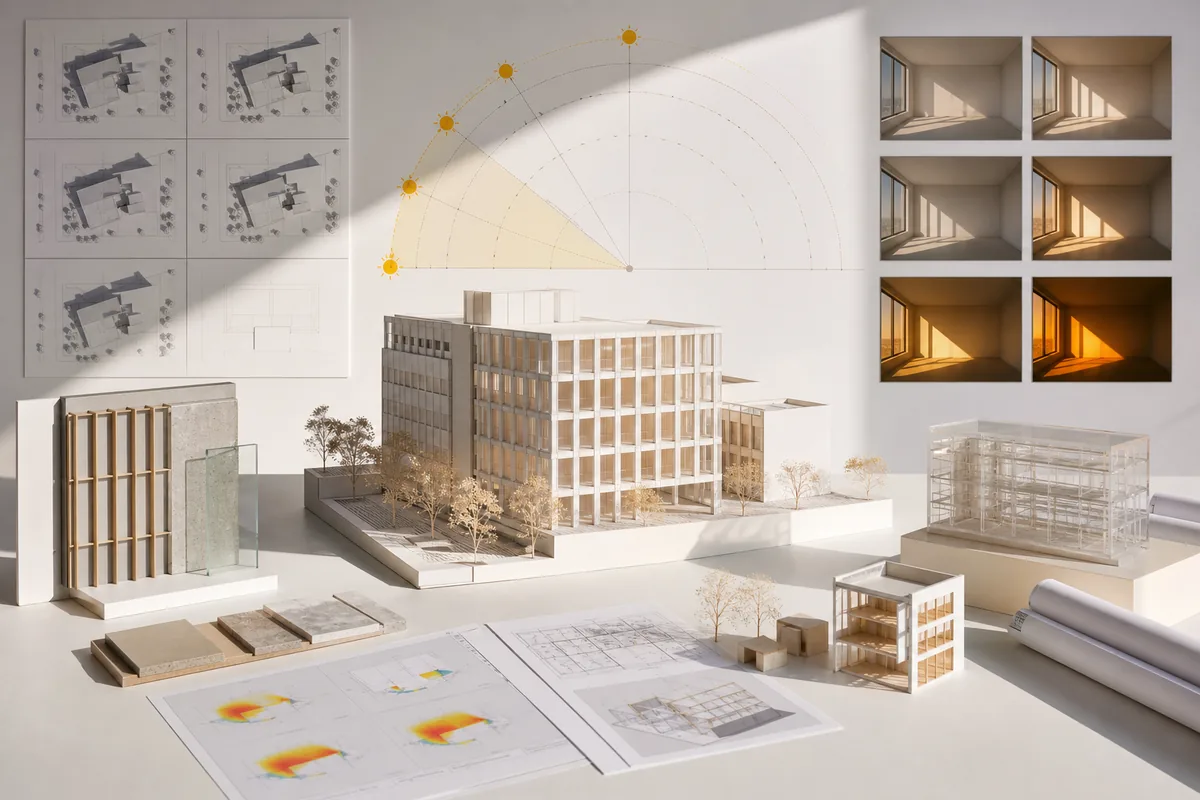
Combine massing views, location assumptions, and orientation notes to visualize likely exposure patterns, identify areas of concern, and prepare focused validation questions.
See the Workflow Run
The actual workflow — connected nodes you can run to preview each step.
When an Early Exposure Review Can Guide Design
Professional capabilities powered by AI.
Compare Massing Orientations
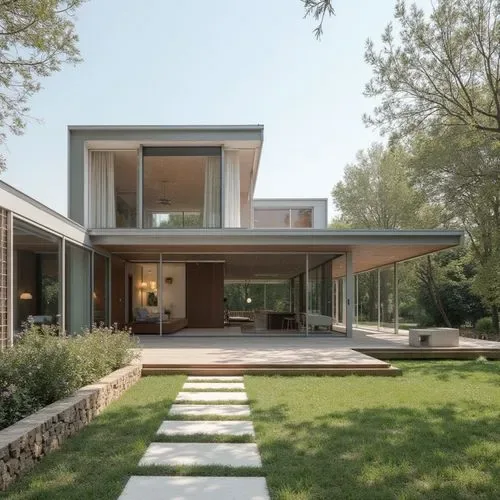
Discuss how rotating or reorganizing early form could affect likely exposure before detailed modelling begins.
Find Areas Requiring Closer Study
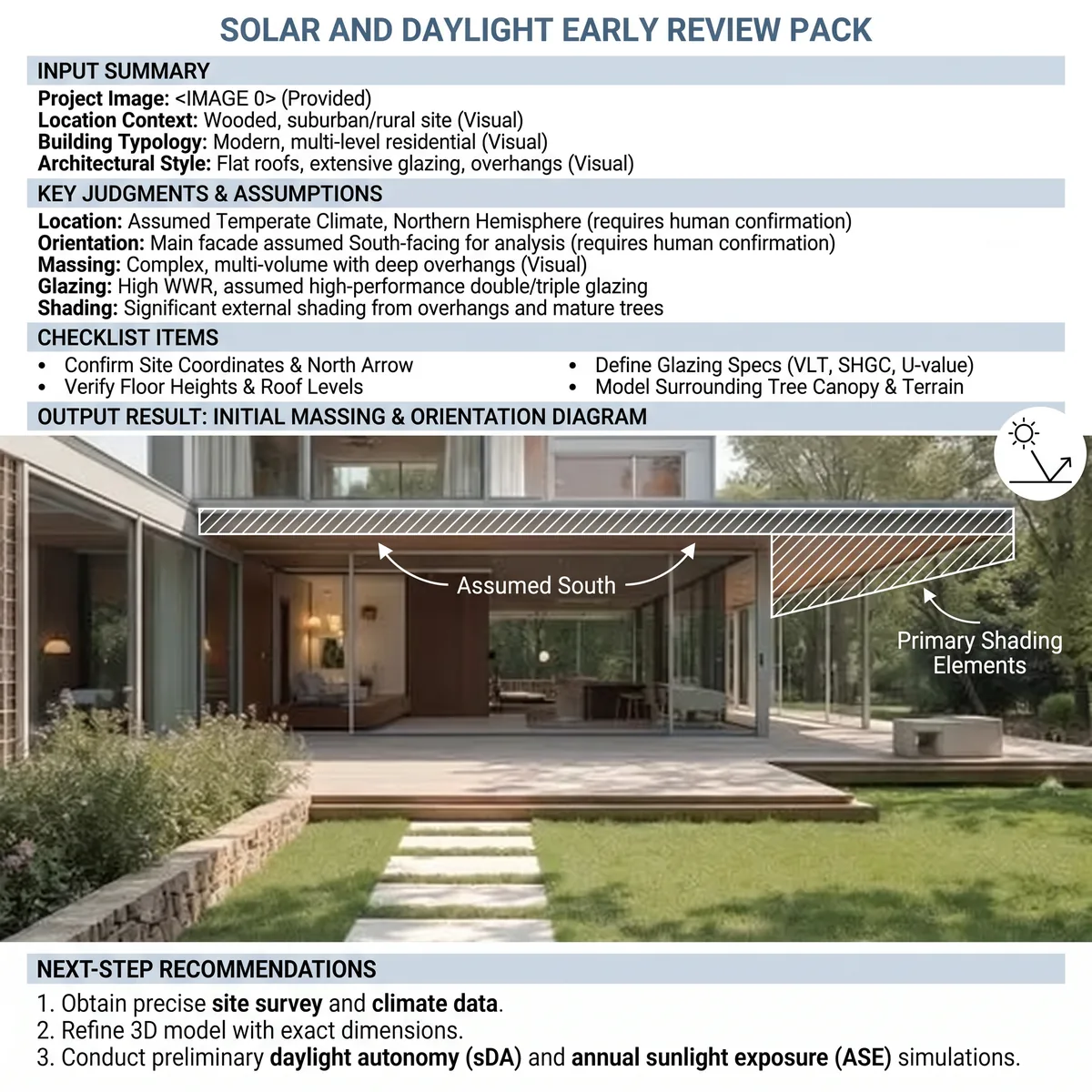
Prioritize facades, courtyards, rooms, or neighboring relationships for later quantitative assessment.
Prepare a Consultant Brief
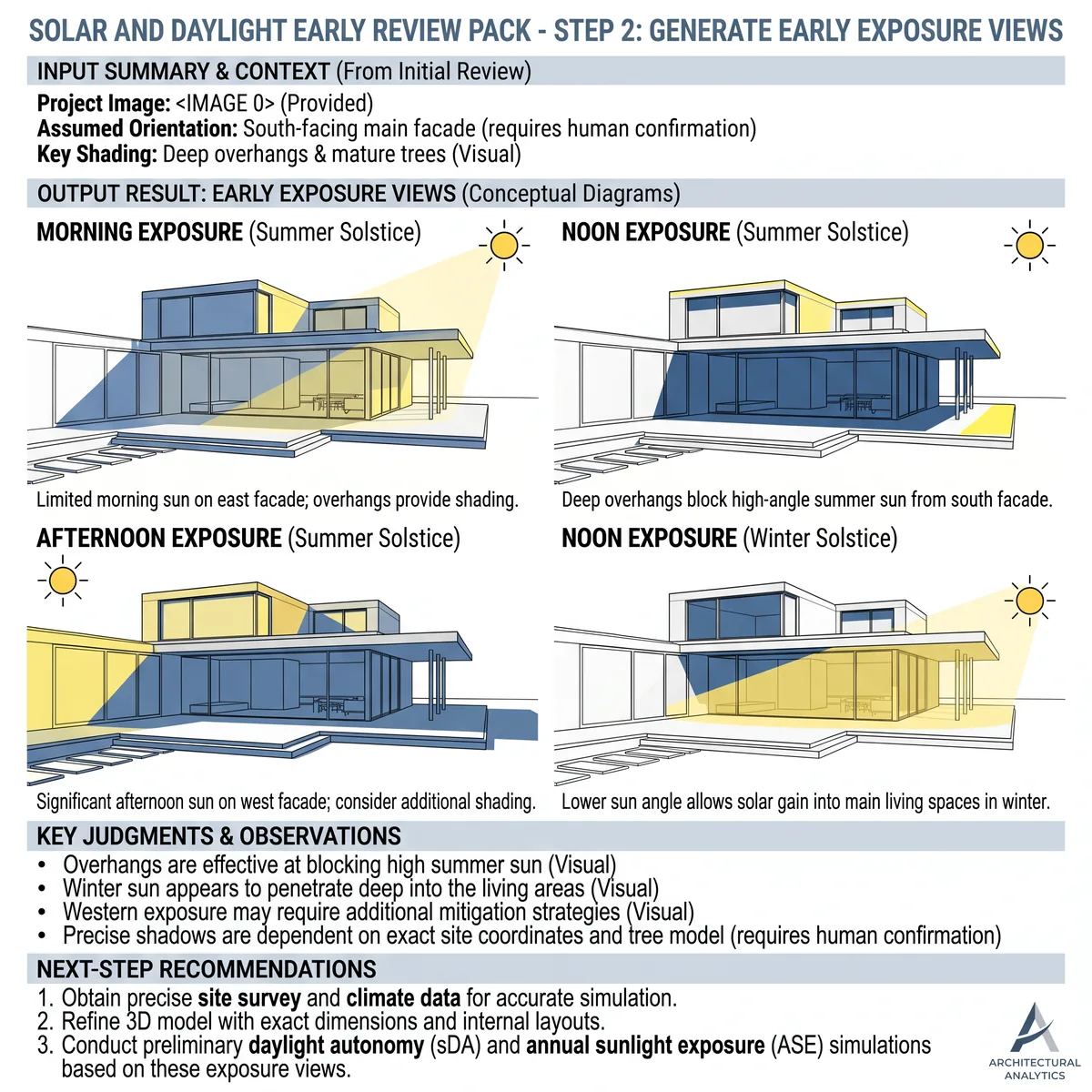
Give specialists a clear record of the design assumptions and concerns identified by the project team.
Treat Exposure Views as Screening Evidence
Location, north direction, season, time, surrounding obstructions, and geometry all affect solar and daylight conditions. If these inputs are provisional, keep that uncertainty visible in the review pack.
A bright-looking rendering is not daylight evidence. Focus on orientation, massing depth, obstruction, and the relative exposure of important spaces rather than image atmosphere alone.
Use early findings to prioritize questions and options. Quantitative performance, compliance, glare, thermal effects, and annual conditions require appropriate models, data, and qualified review.
Frequently Asked Questions
Find Solar and Daylight Questions Earlier
Turn massing and orientation assumptions into a focused review pack for design discussion and qualified follow-up.

Technical support: tech@promeai.pro
Business collaboration: business@promeai.pro