


Identify the wall seen on entry and the surfaces visible while resting. A headboard wall creates a clear focal point, while full coverage changes the entire atmosphere. Consider wardrobes, windows, sloped ceilings, and whether the pattern will be hidden by a tall headboard.
Bedroom Wallpaper Ideas That Set the Mood around the Bed
Explore bedroom wallpaper ideas that shape the mood around the bed without ignoring light, scale, and restfulness. Compare botanical, textural, floral, geometric, scenic, and illustrated directions by focal placement and color. Select references that suit the room and furniture, then generate a coordinated bedroom visualization in PromeAI.
Explore Bedroom Wallpaper Ideas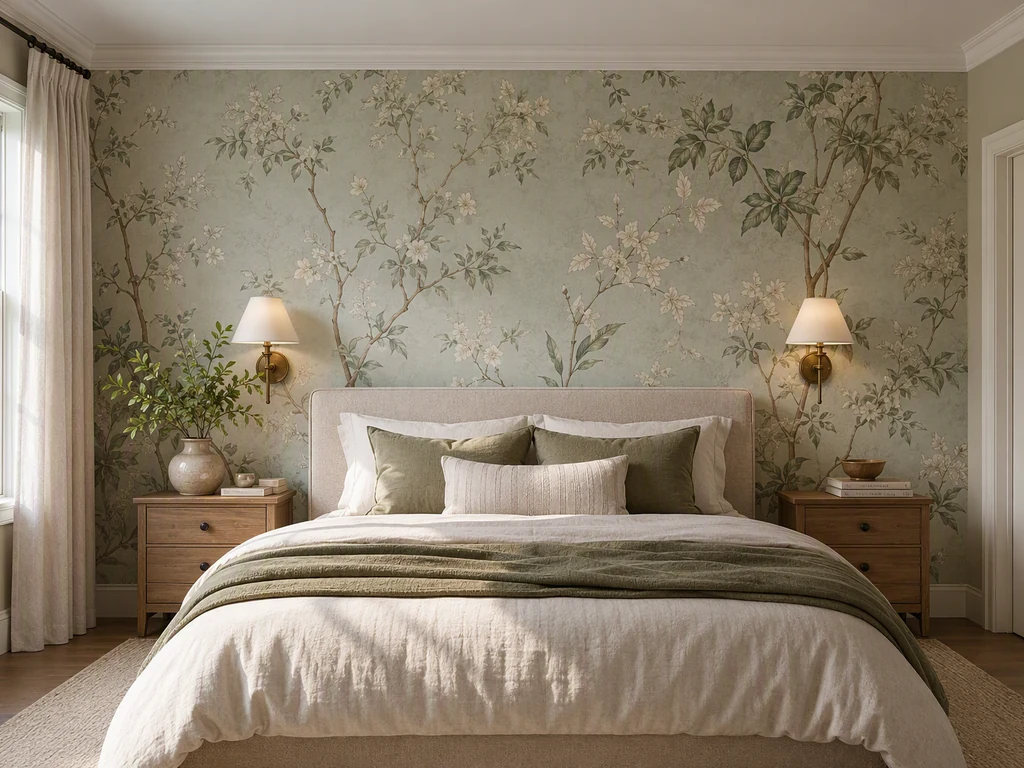
Bedroom Wallpaper Ideas by Mood and Focal-Wall Placement
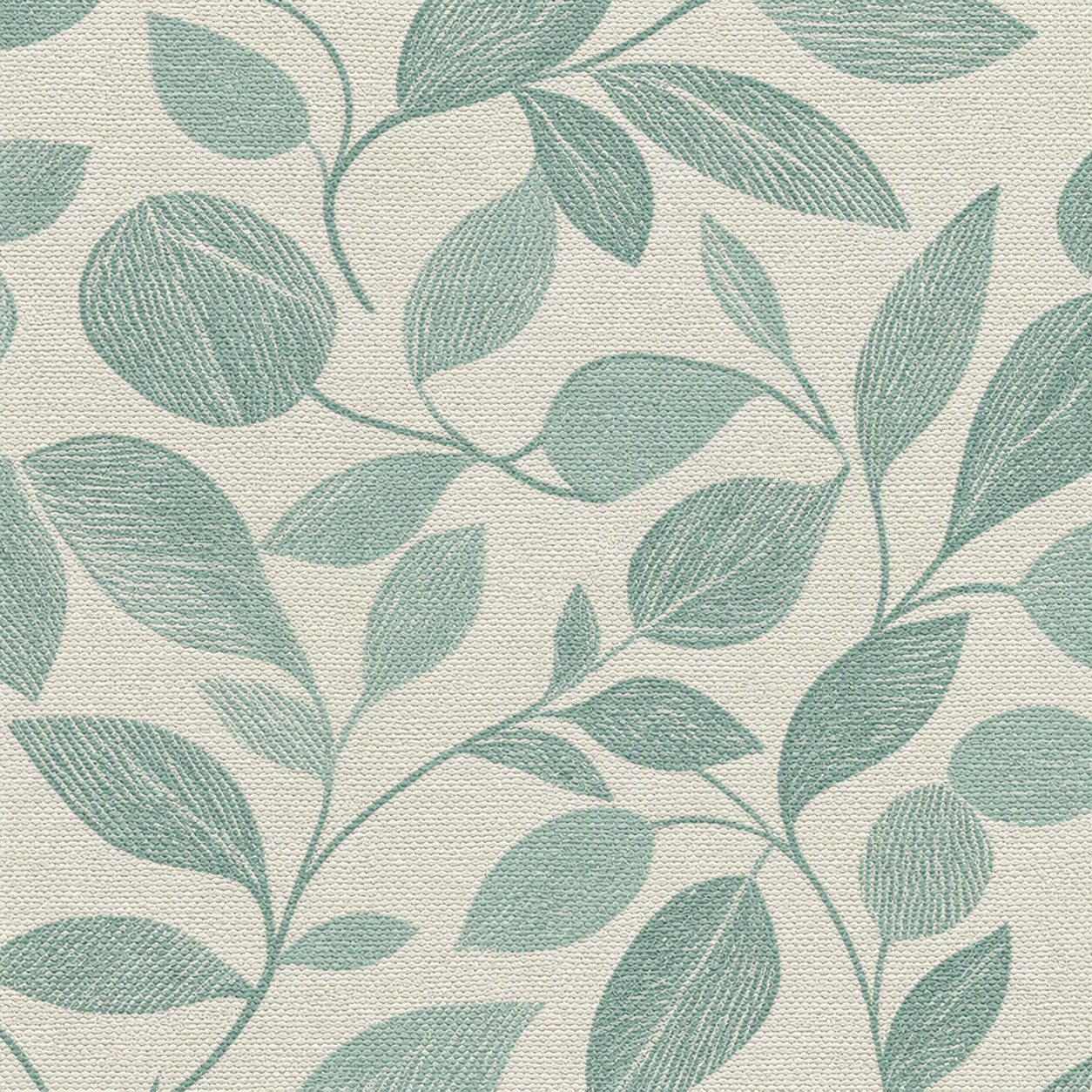
Decide whether the wallpaper should calm the room, create a headboard focal point, or wrap the space more immersively. The bed, windows, wardrobes, and lamps interrupt the pattern and determine the main view. Compare the six references for motif scale, darkness, direction, crop, daylight, nighttime lighting, and how the wall relates to bedding and upholstery.
Combine Wallpaper with Bedding, Wood, and Lighting
Use one reference for pattern and another for palette or atmosphere. Repeat a limited number of wallpaper colors through bedding or curtains and keep other large patterns quieter. Review the direction in daytime and evening light; an appealing dark image may need more layered lighting, while a pale pattern can still feel busy when repeated on every wall.
How to Set the Mood with Bedroom Wallpaper
Mock up the motif at actual size behind the bed and beside bedside tables or lamps. Large scenic designs need a planned crop; small repeats create a more continuous texture. Check that important motif areas are not lost behind furniture or cut awkwardly at corners.
Compare samples in morning light, afternoon shade, and the lamps used before sleep. Coordinate undertones with flooring, wood, bedding, and curtains. Confirm product, substrate, repeat, seam placement, and installation separately, especially when the wall condition or room humidity is uncertain.
Frequently Asked Questions
Which wall is best for wallpaper in a bedroom?
The wall behind the bed is a common focal choice, but the best wall depends on the doorway view, windows, wardrobes, headboard height, and pattern crop. A quieter wall may suit a scenic mural better. Review the room from entry and from the bed before choosing coverage.
Is dark wallpaper good for a bedroom?
Yes, when the desired mood, room light, and supporting finishes can handle it. Dark wallpaper can feel restful or dramatic, but it may need layered lighting and lighter textiles for balance. Test a large sample at different times rather than assuming every dark pattern makes a room smaller.
Should bedroom wallpaper match the bedding?
It should coordinate, not necessarily match exactly. Repeat one or two colors or undertones and vary pattern scale so the bed and wall do not compete. If the wallpaper is detailed, simpler bedding often creates balance; patterned bedding can work with a quieter textural wall.
Can I wallpaper all four bedroom walls?
Yes. Full coverage can create an immersive room, especially with a lower-contrast or textural pattern. Check motif density, corners, doors, ceiling transitions, daylight, and evening lighting. A strong scenic or oversized design may work better on one planned wall than repeated around interruptions.
Is the generated bedroom wallpaper an exact product preview?
No. It visualizes atmosphere, scale, and color relationships but does not identify a verified product or reproduce exact color, texture, repeat, or sheen. Review physical samples, wall condition, product specifications, quantity, seams, substrate preparation, and installation requirements before purchasing or installing wallpaper.