


Study Seasonal Landscape and Planting Variations
Use one landscape scheme or rendering to compare spring, summer, autumn, and winter character, then develop plant, root, and landscape-layering studies from the same proposal.
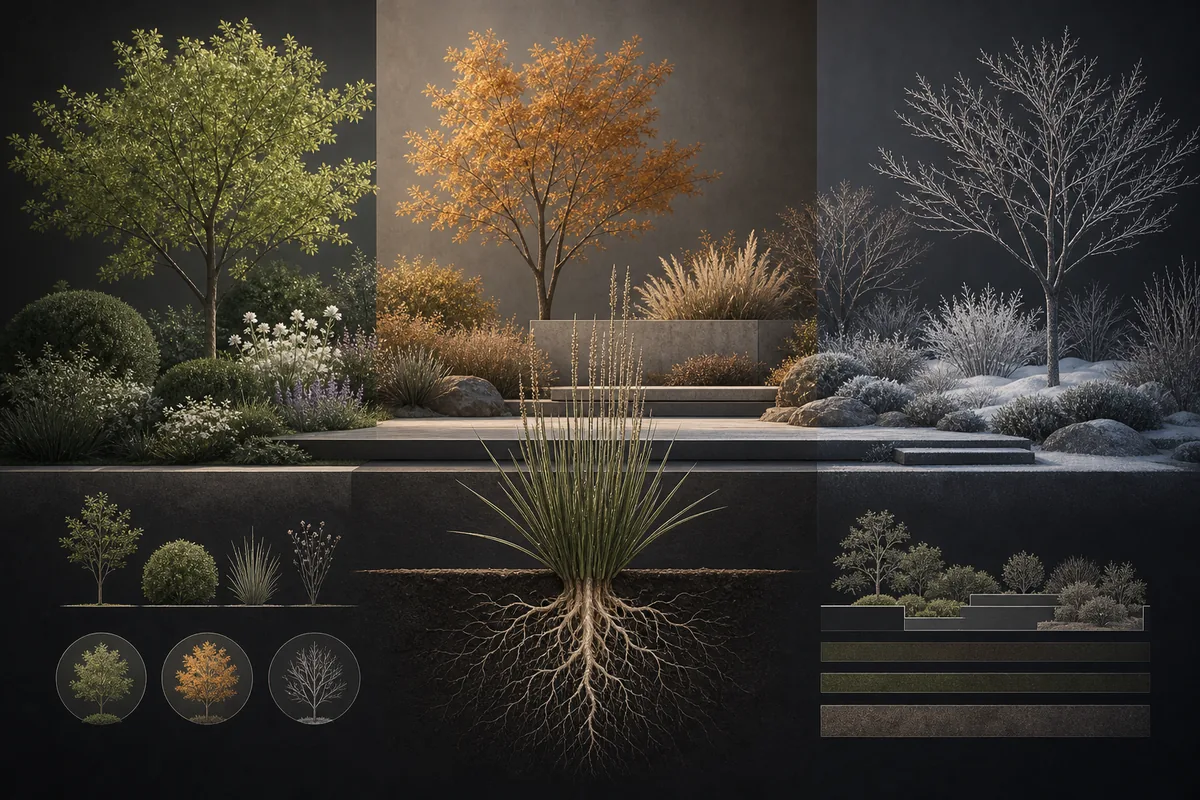
See the Workflow Run
The actual workflow — connected nodes you can run to preview each step.
Where Seasonal Study Changes a Landscape Decision
Professional capabilities powered by AI.
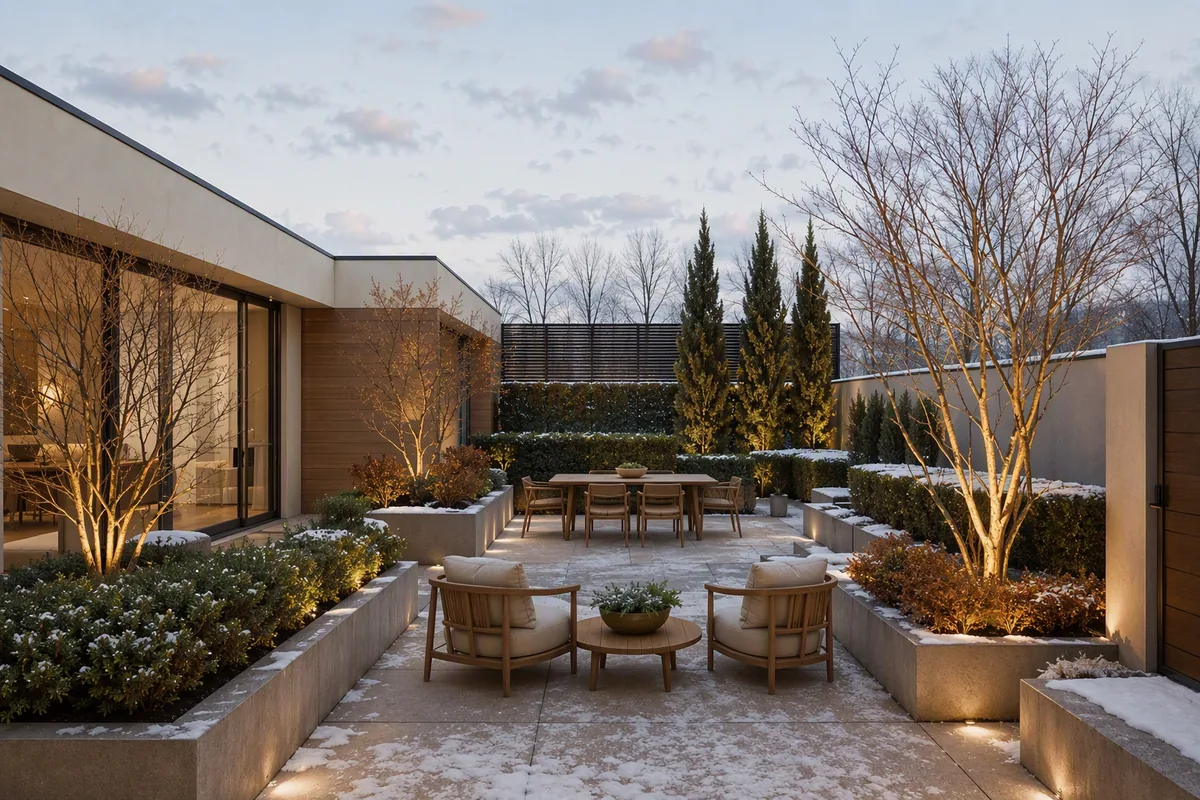
Review Year-Round Character
See whether structure, screening, color, and spatial definition remain effective beyond the peak season.
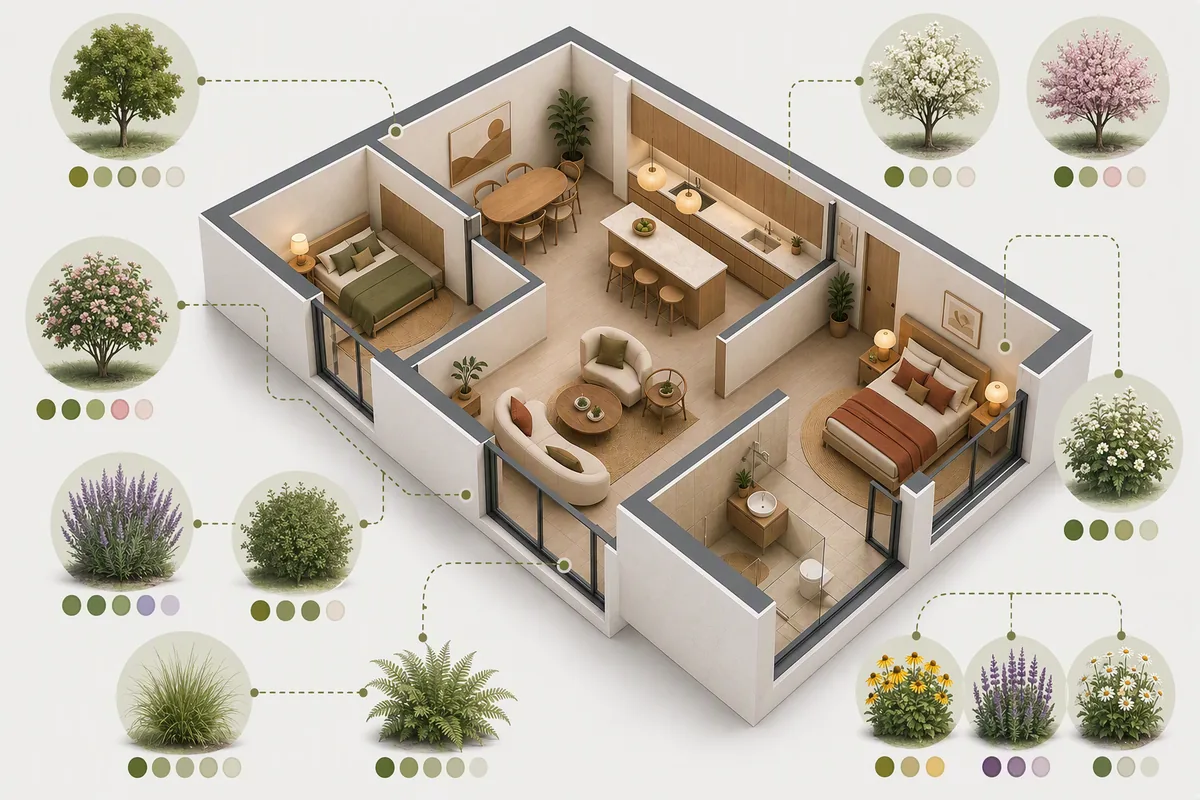
Discuss Planting Composition
Explain the roles of trees, shrubs, groundcover, and other layers in the visual concept.
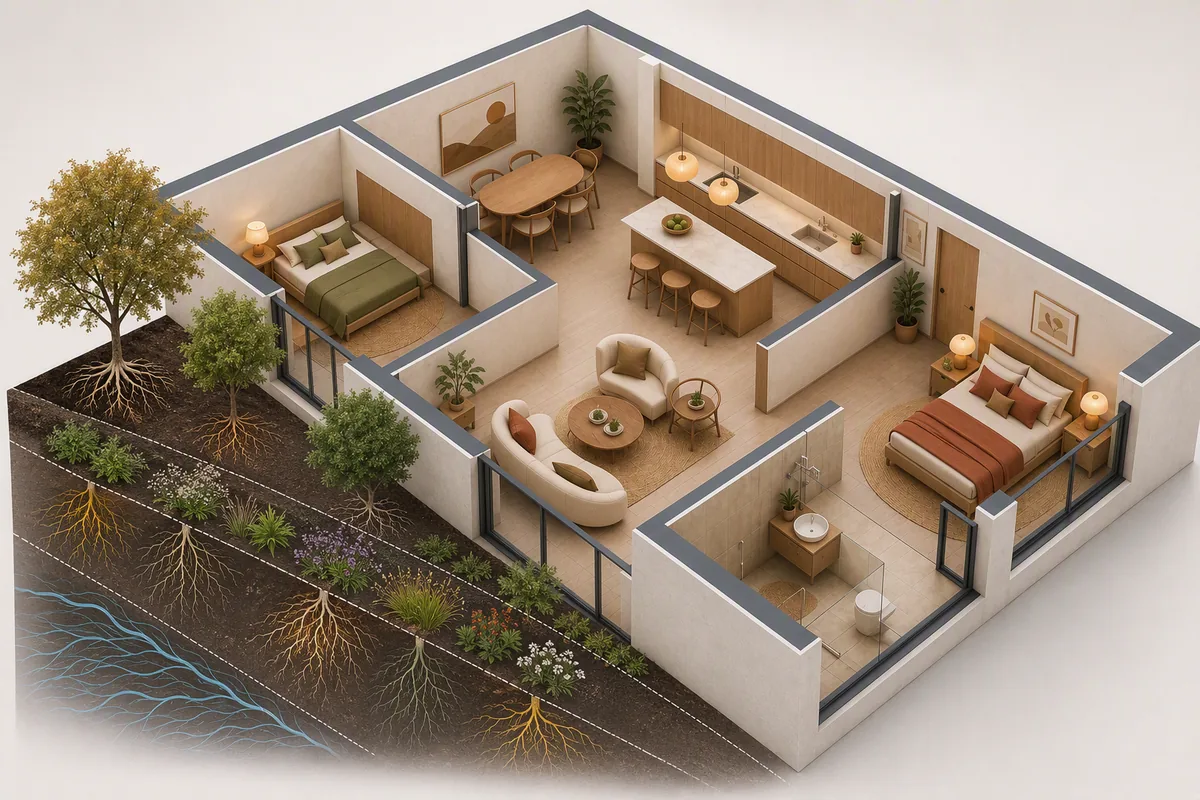
Prepare a Landscape Presentation
Add seasonal and below-ground relationships to a proposal that would otherwise show only one finished view.
Keep Seasonal Change Grounded in Plant Behavior
Seasonal versions should reflect the intended climate, species behavior, canopy density, flowering, leaf change, and maintenance conditions rather than applying a generic color filter.
Compare the same viewpoint and underlying layout so reviewers can attribute differences to season rather than changed geometry or composition.
Generated plant and root studies are visual communication. Species selection, mature size, root behavior, soil, irrigation, ecology, and local suitability require qualified landscape input.
Frequently Asked Questions
See How the Landscape Changes Beyond One Finished View
Compare seasonal character and explore the planting layers that shape the proposal over time.

Technical support: tech@promeai.pro
Business collaboration: business@promeai.pro